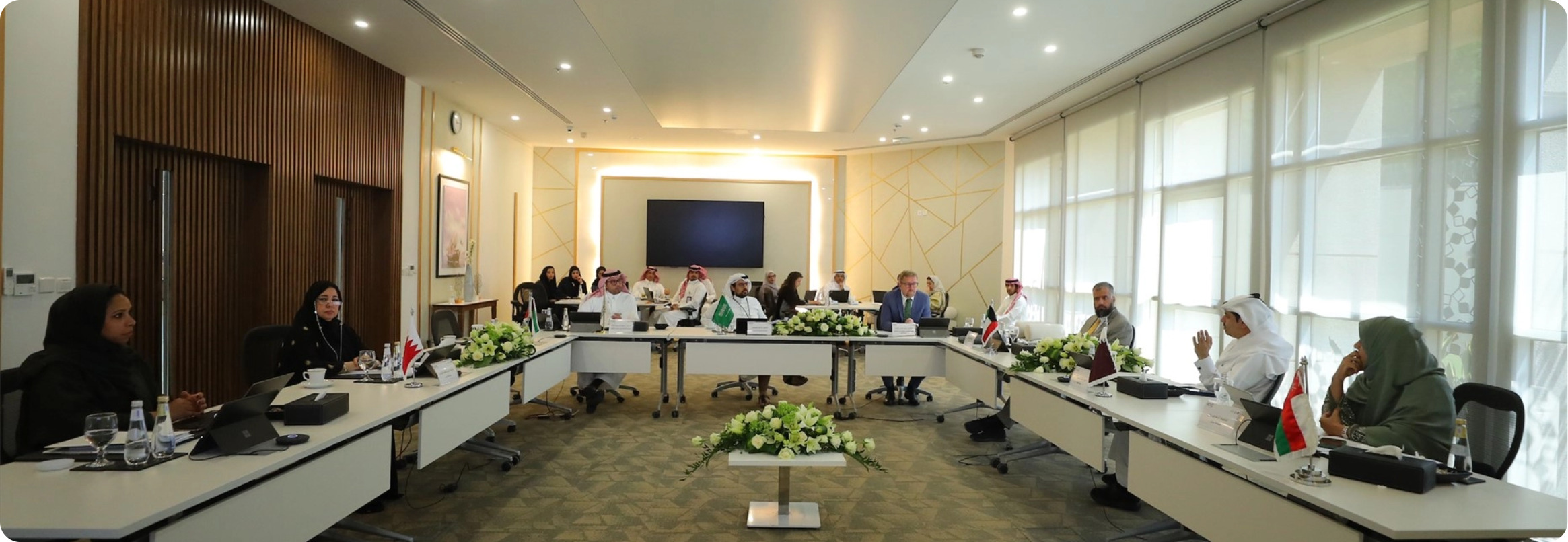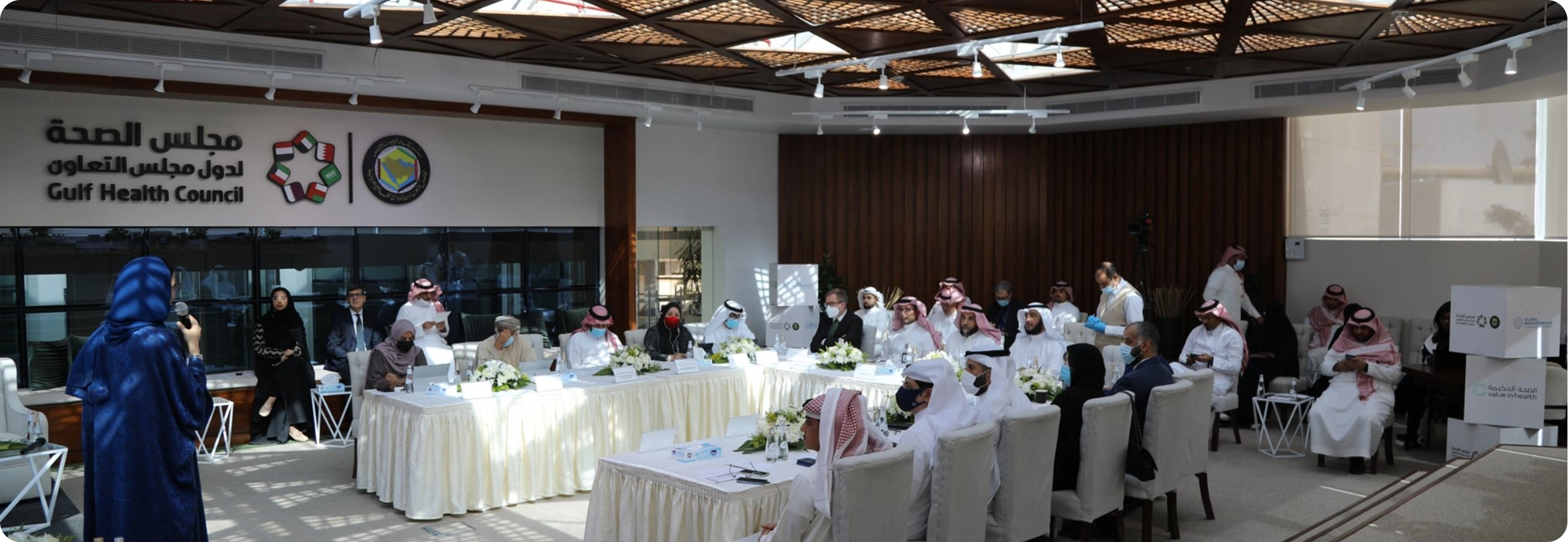


Gulf Meeting Discusses Advancing Burden of Disease Indicators to Strengthen Health Metrics Across GCC Countries
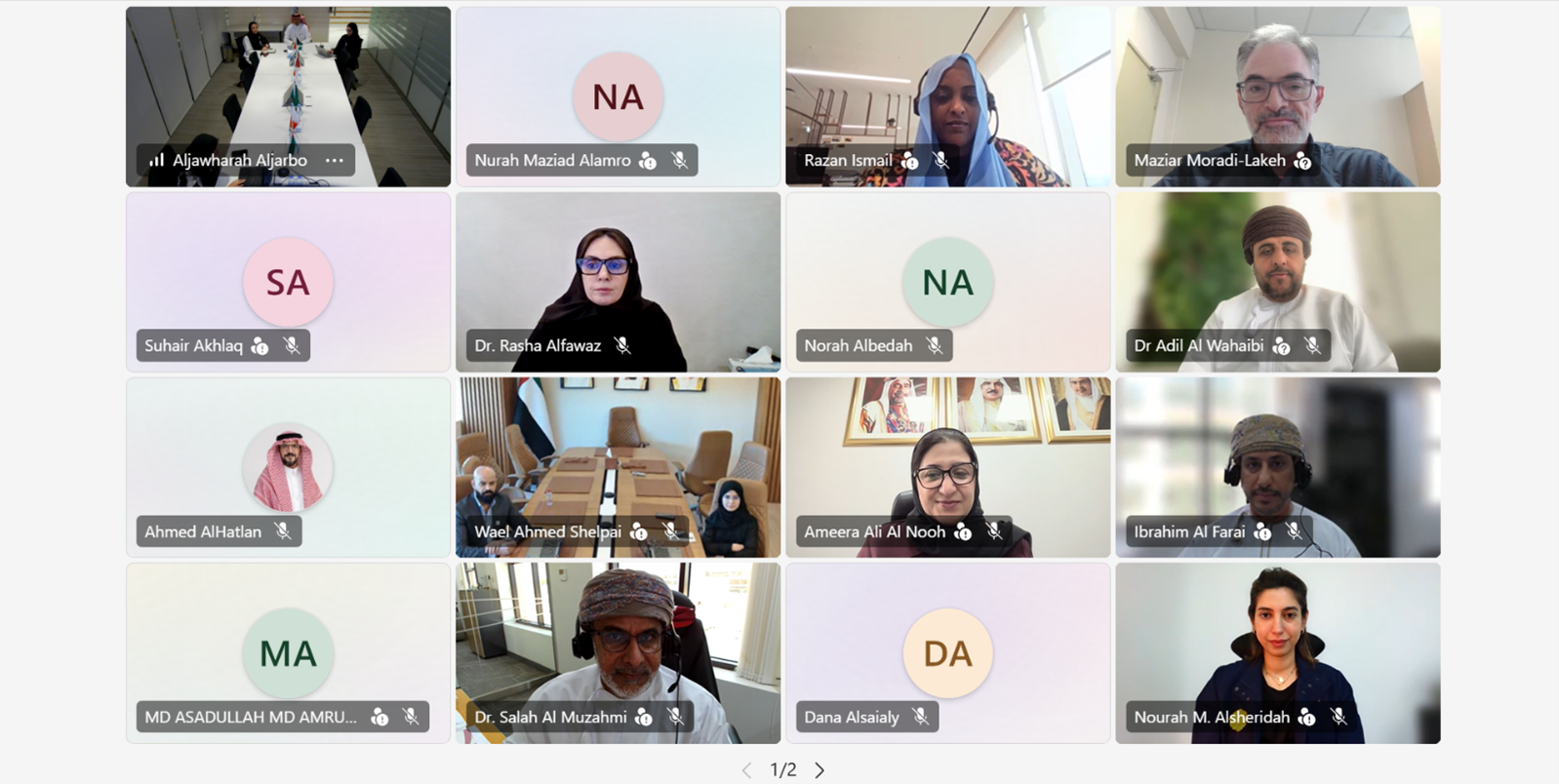


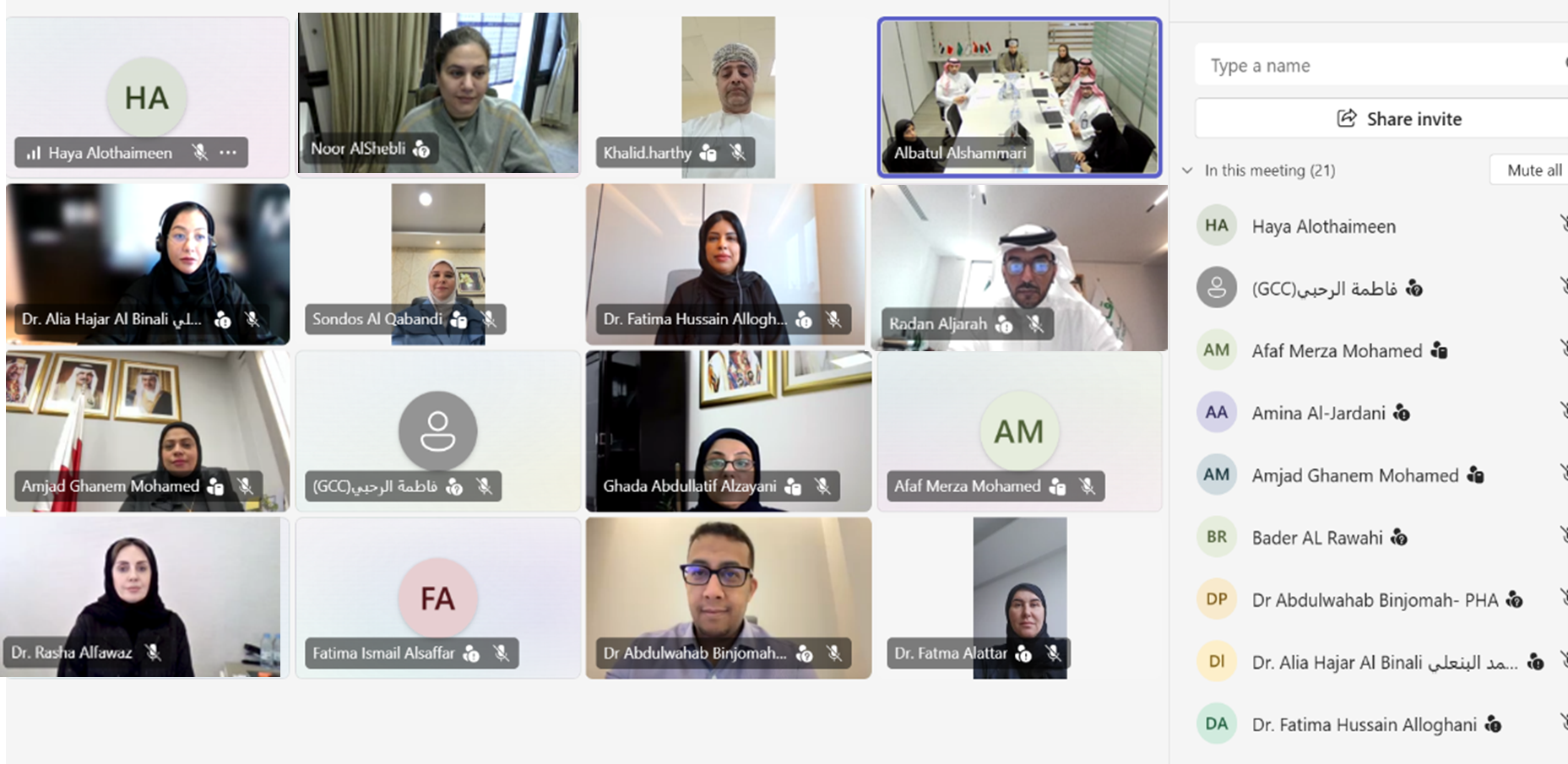
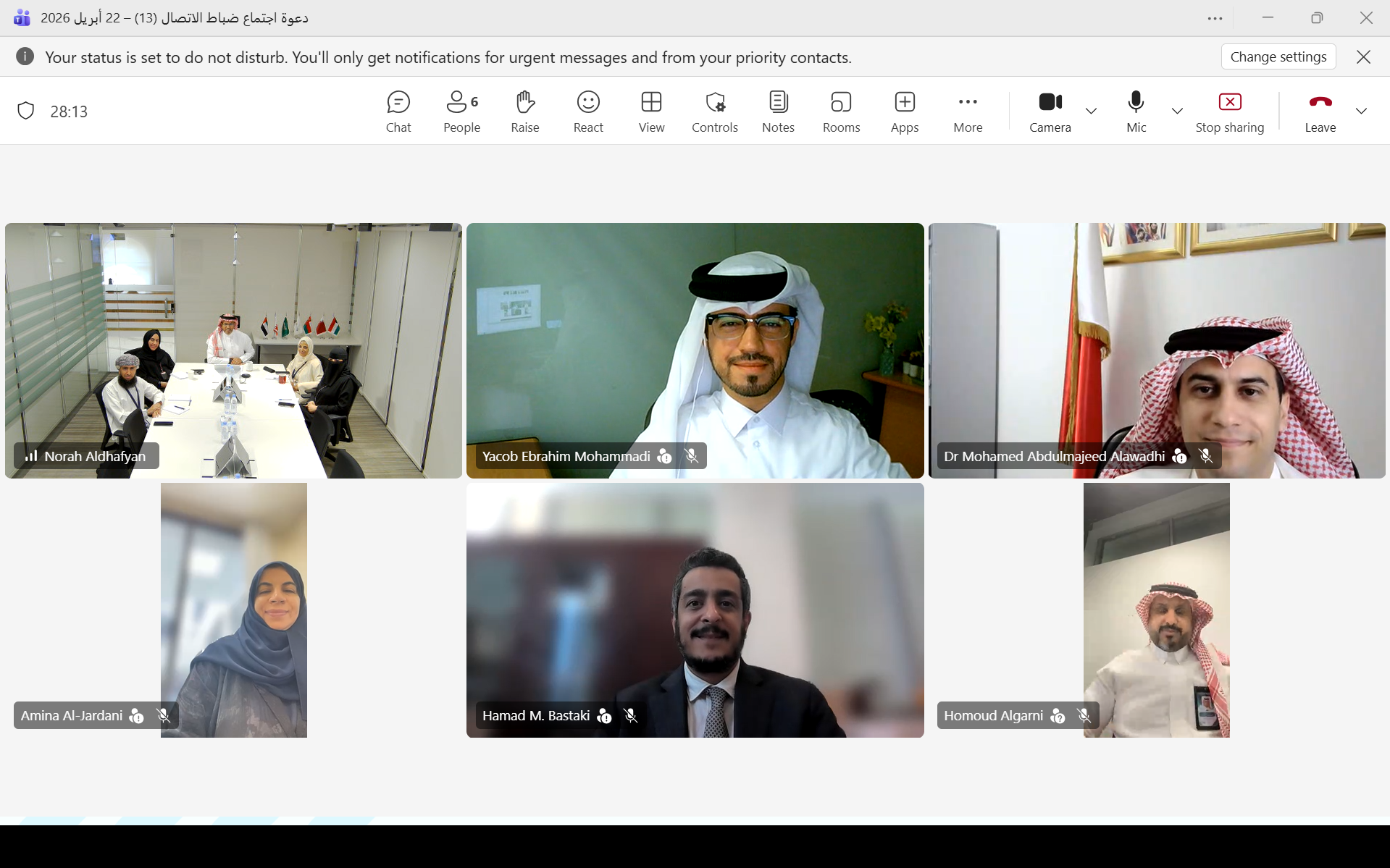
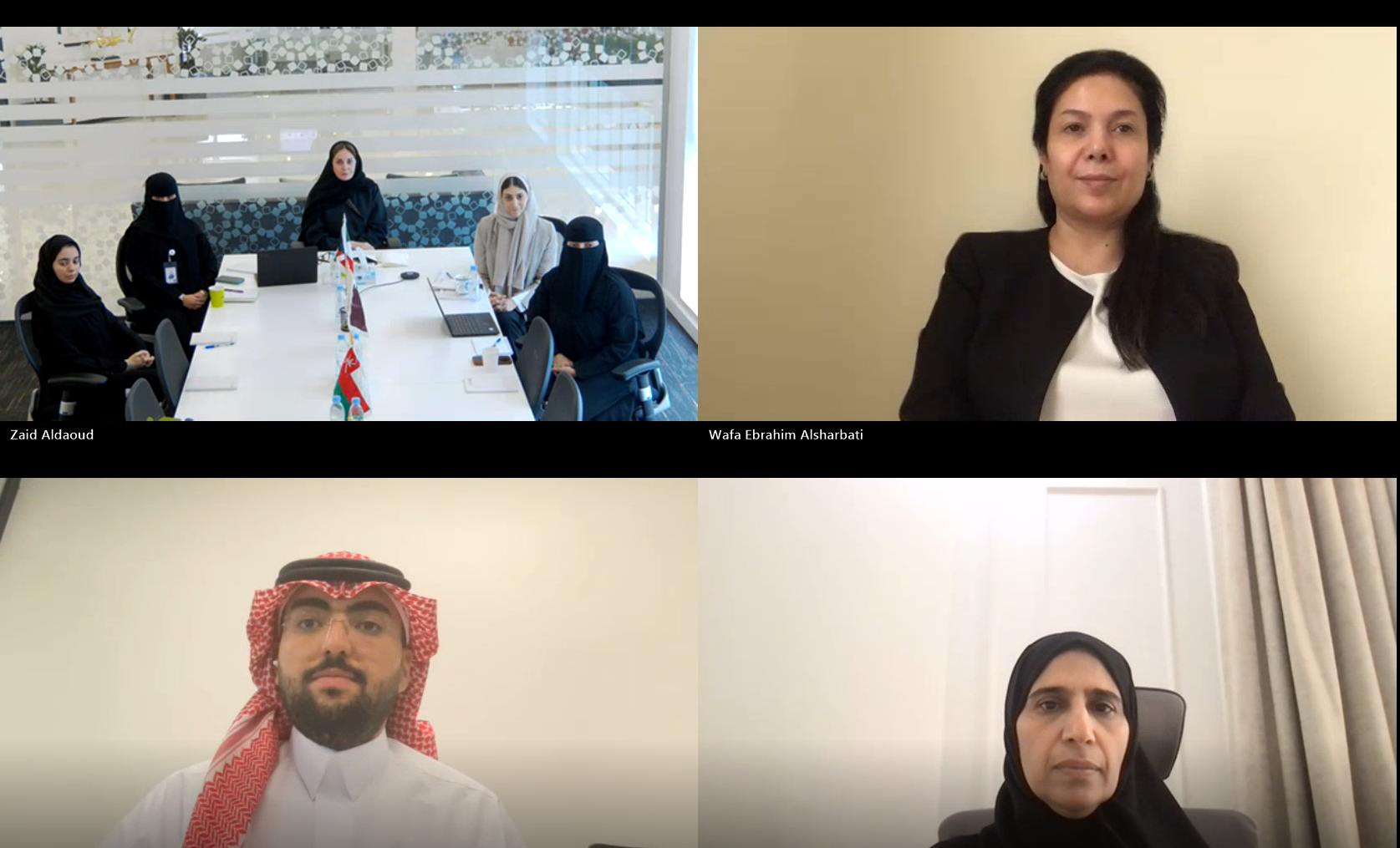
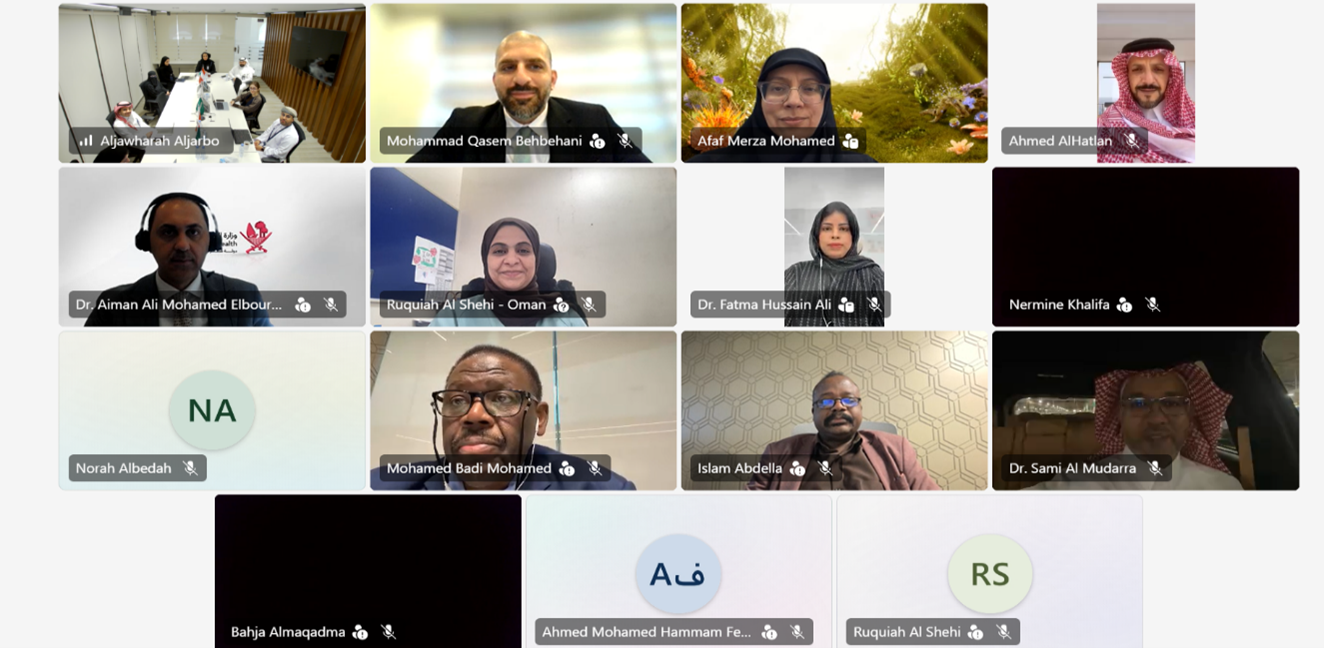

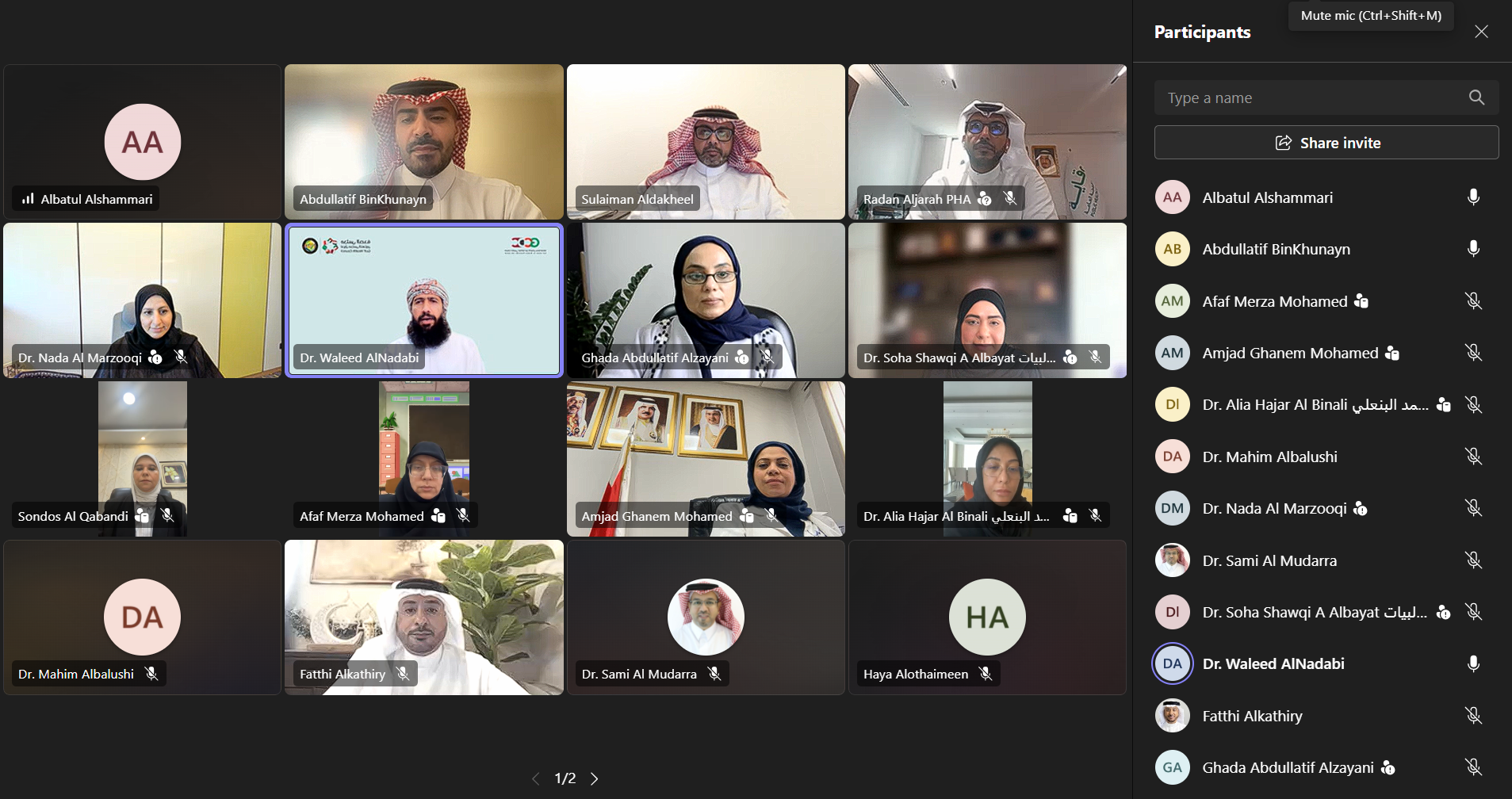
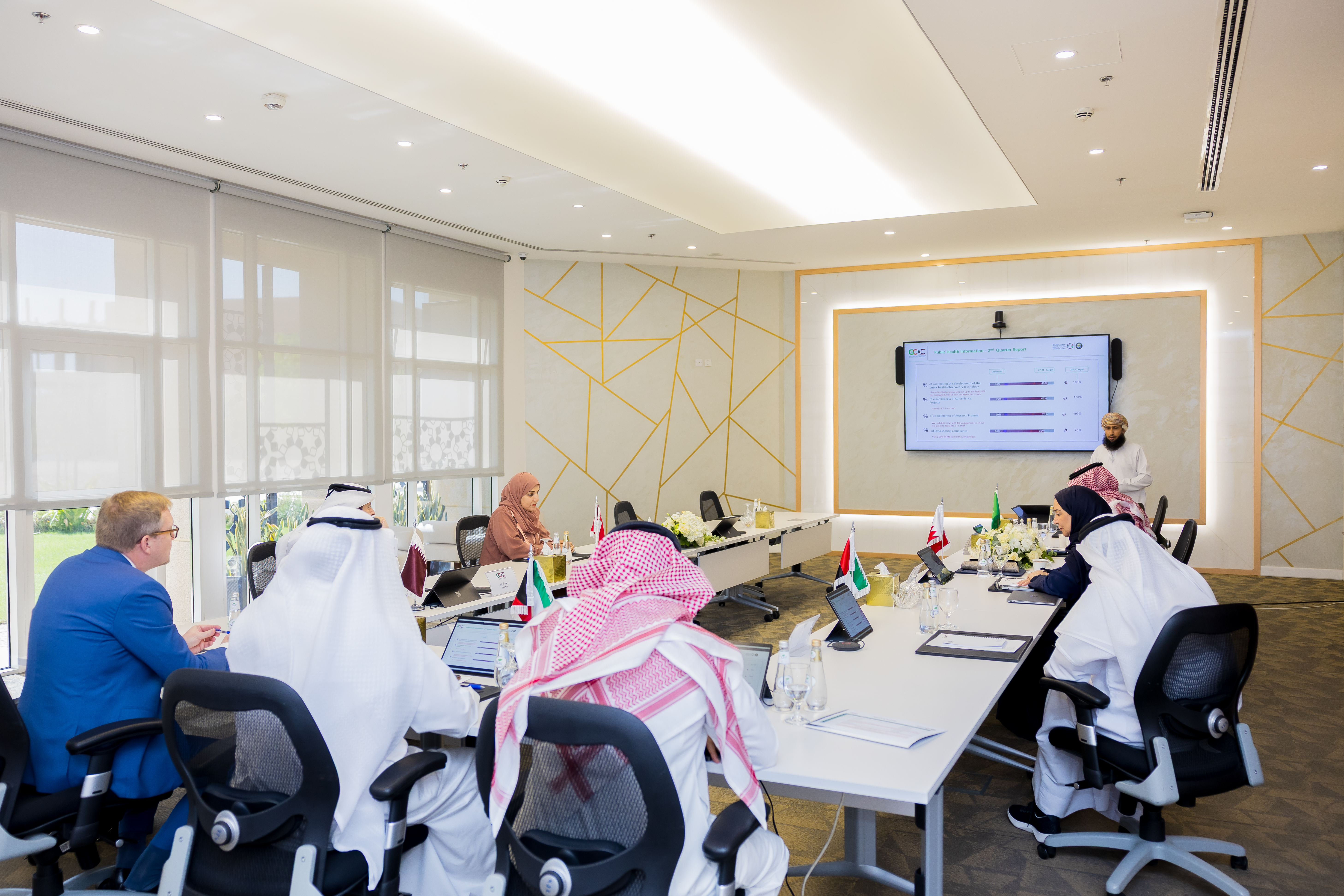
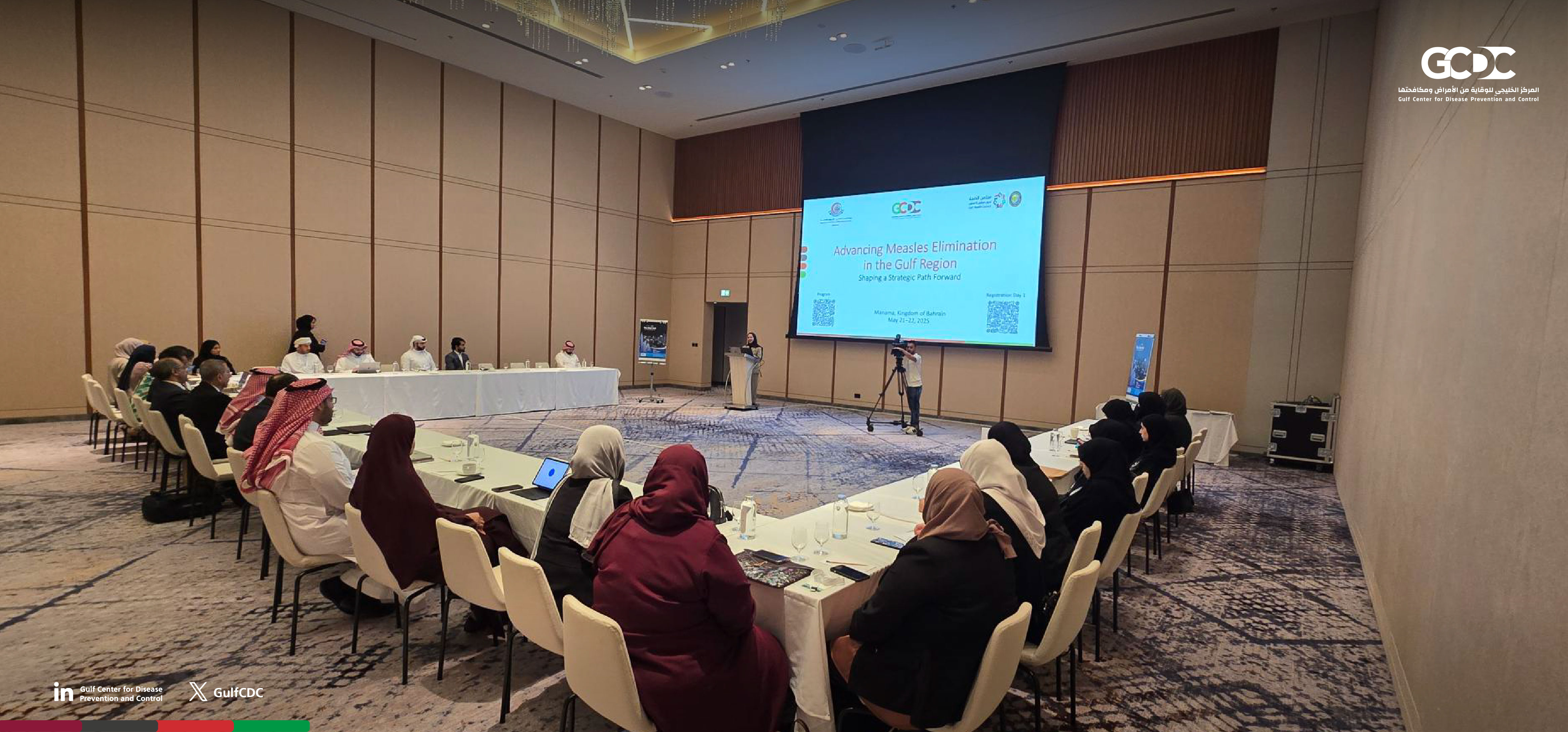
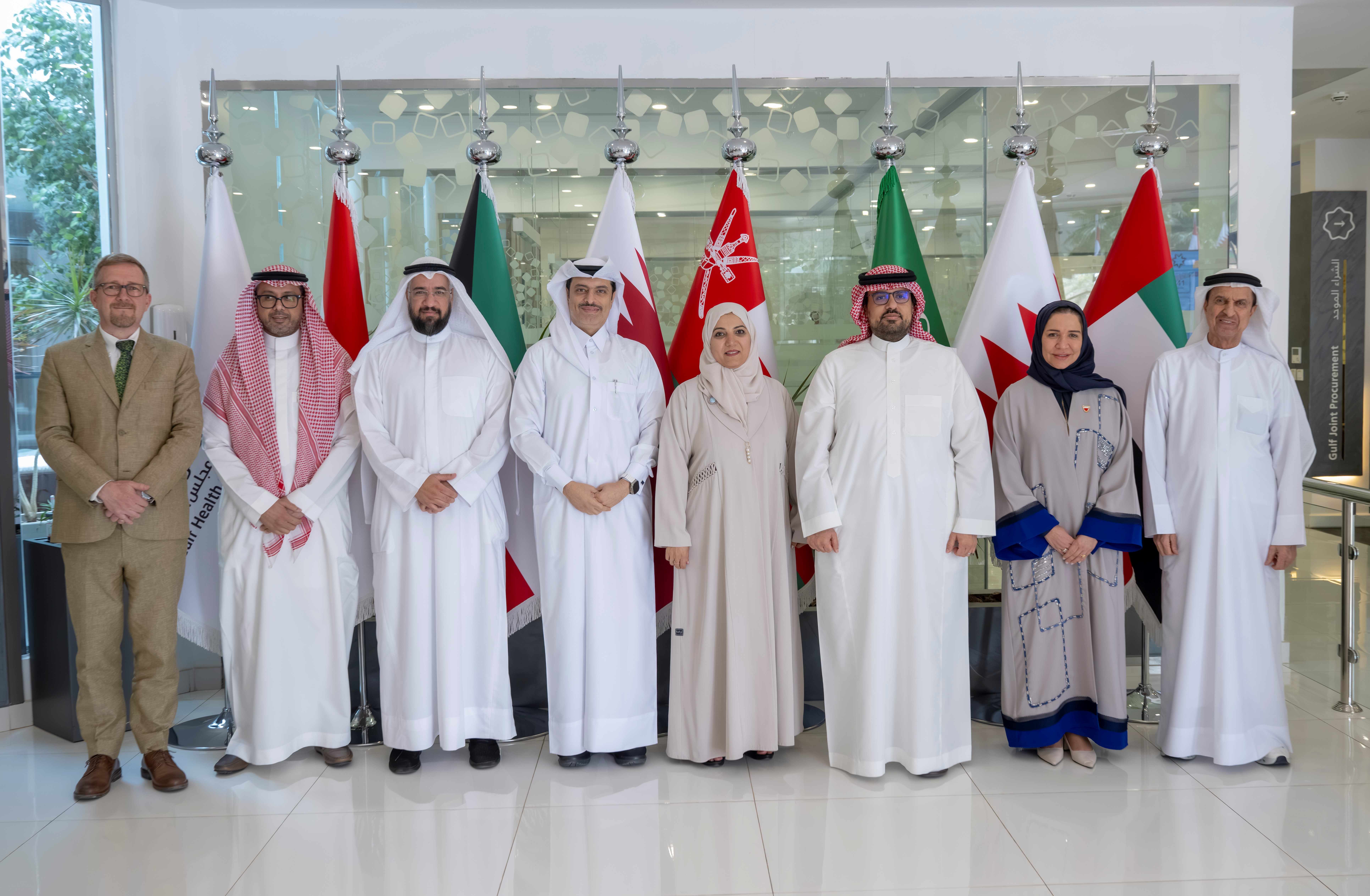
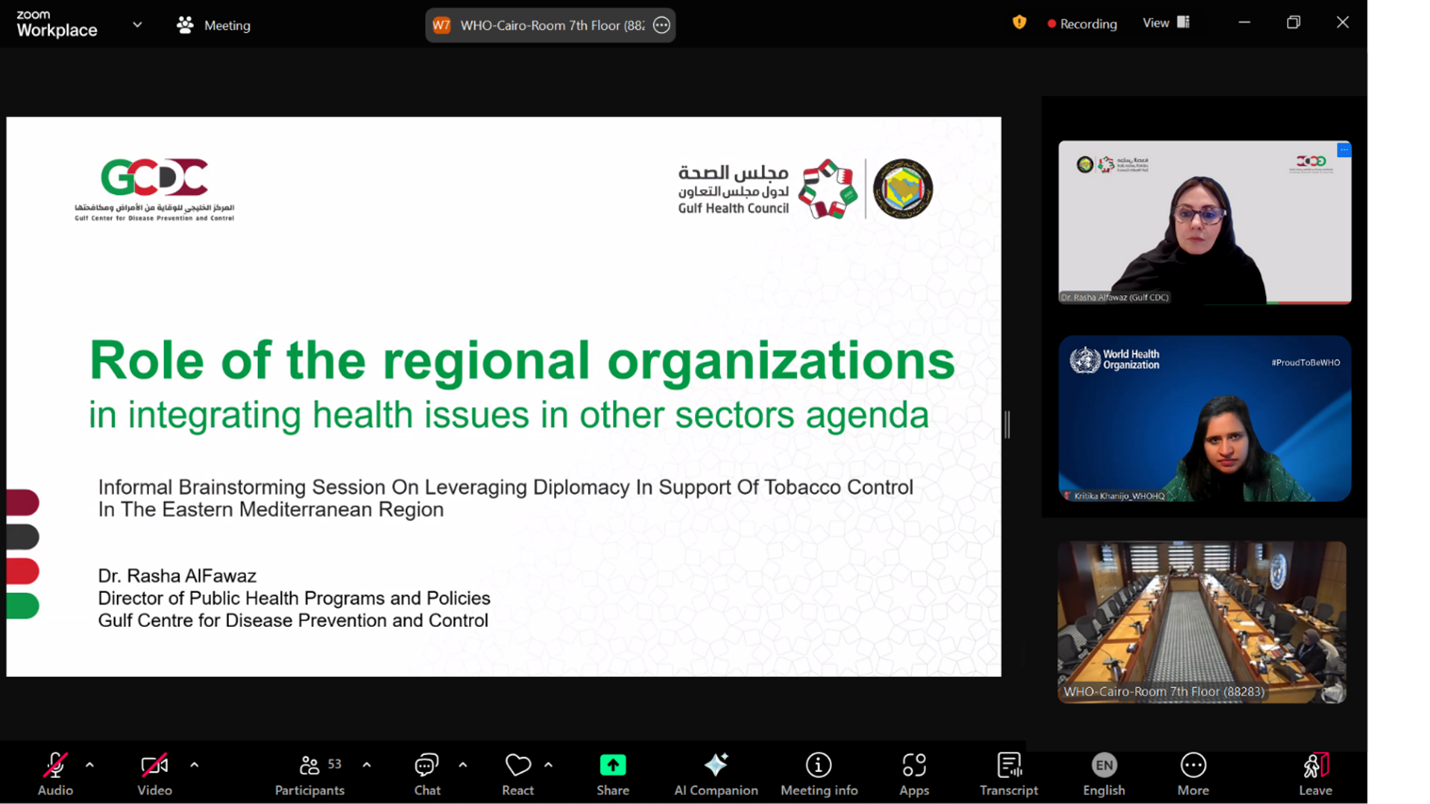
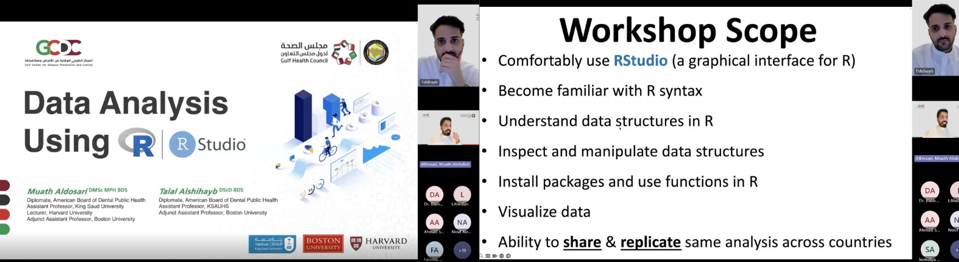
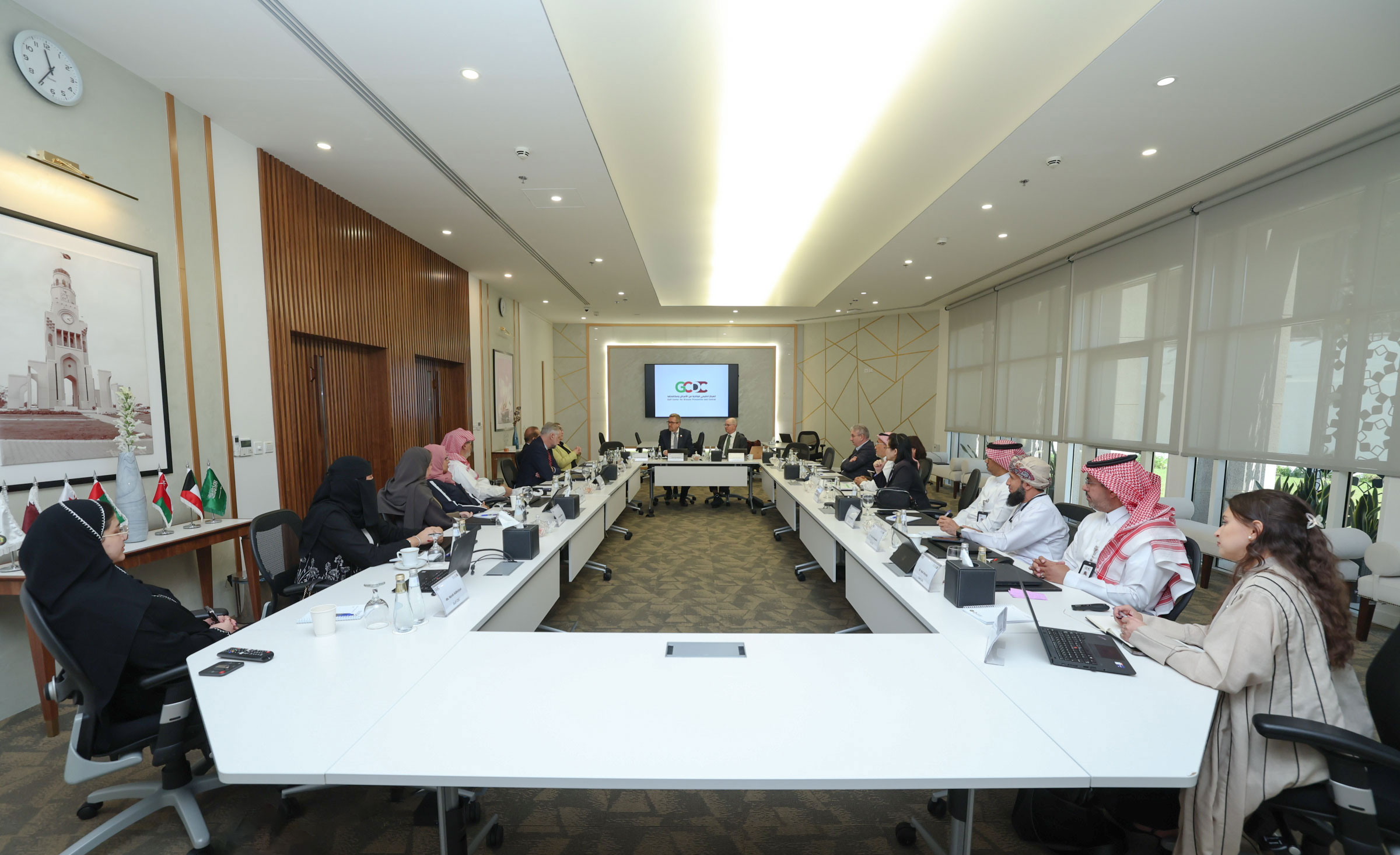
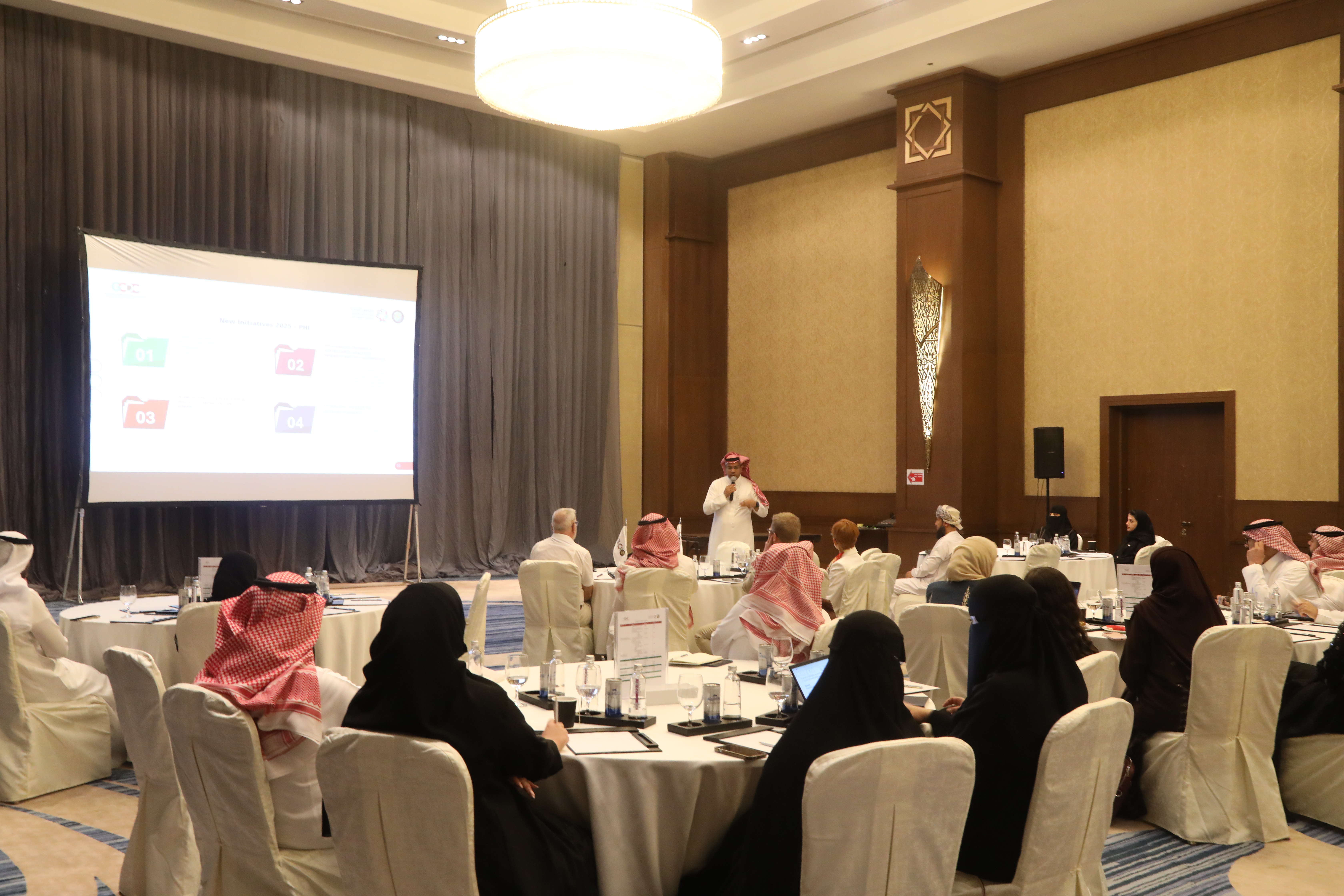
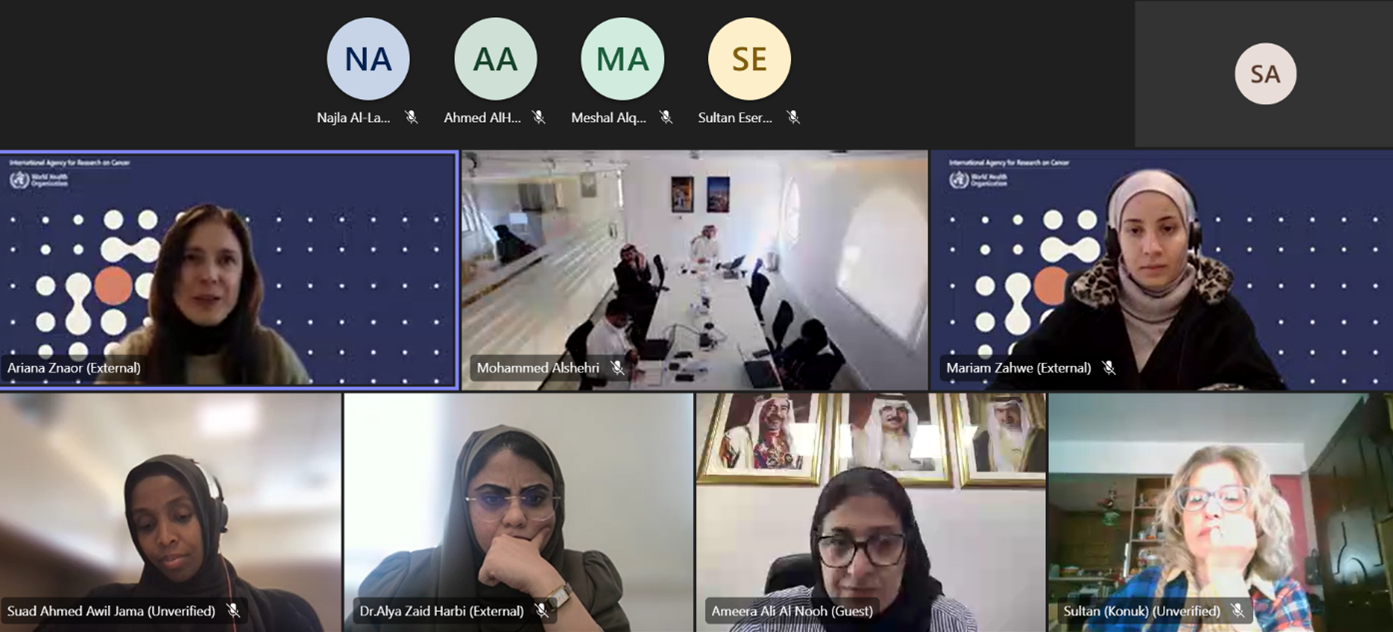
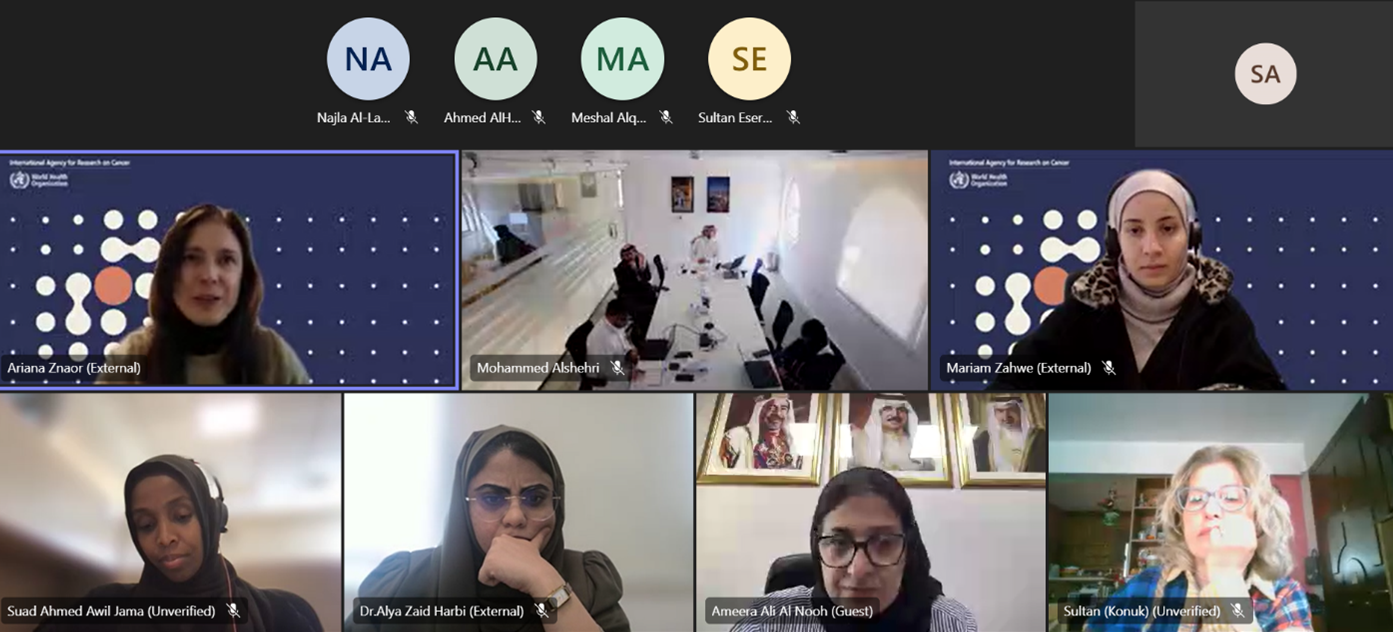
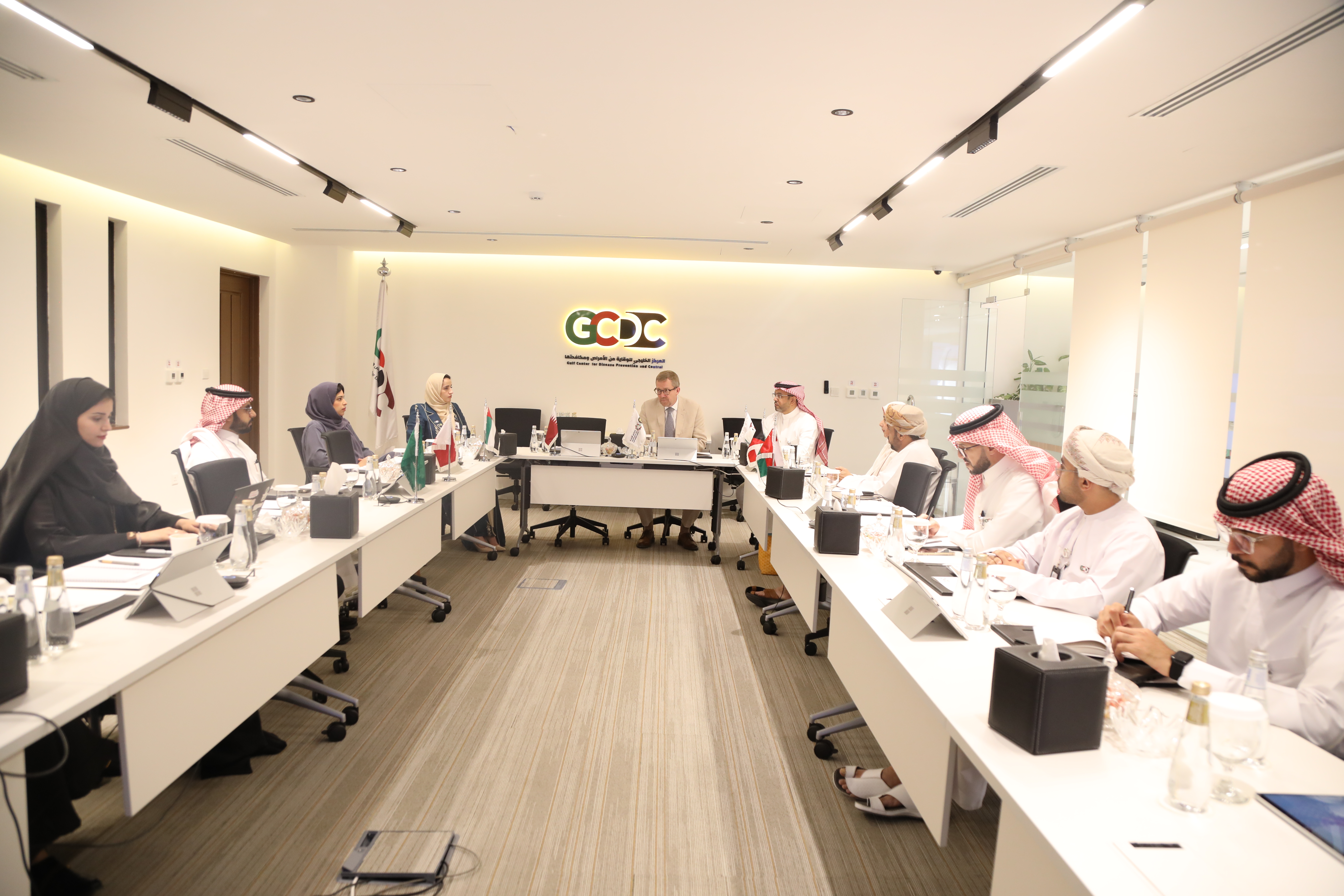
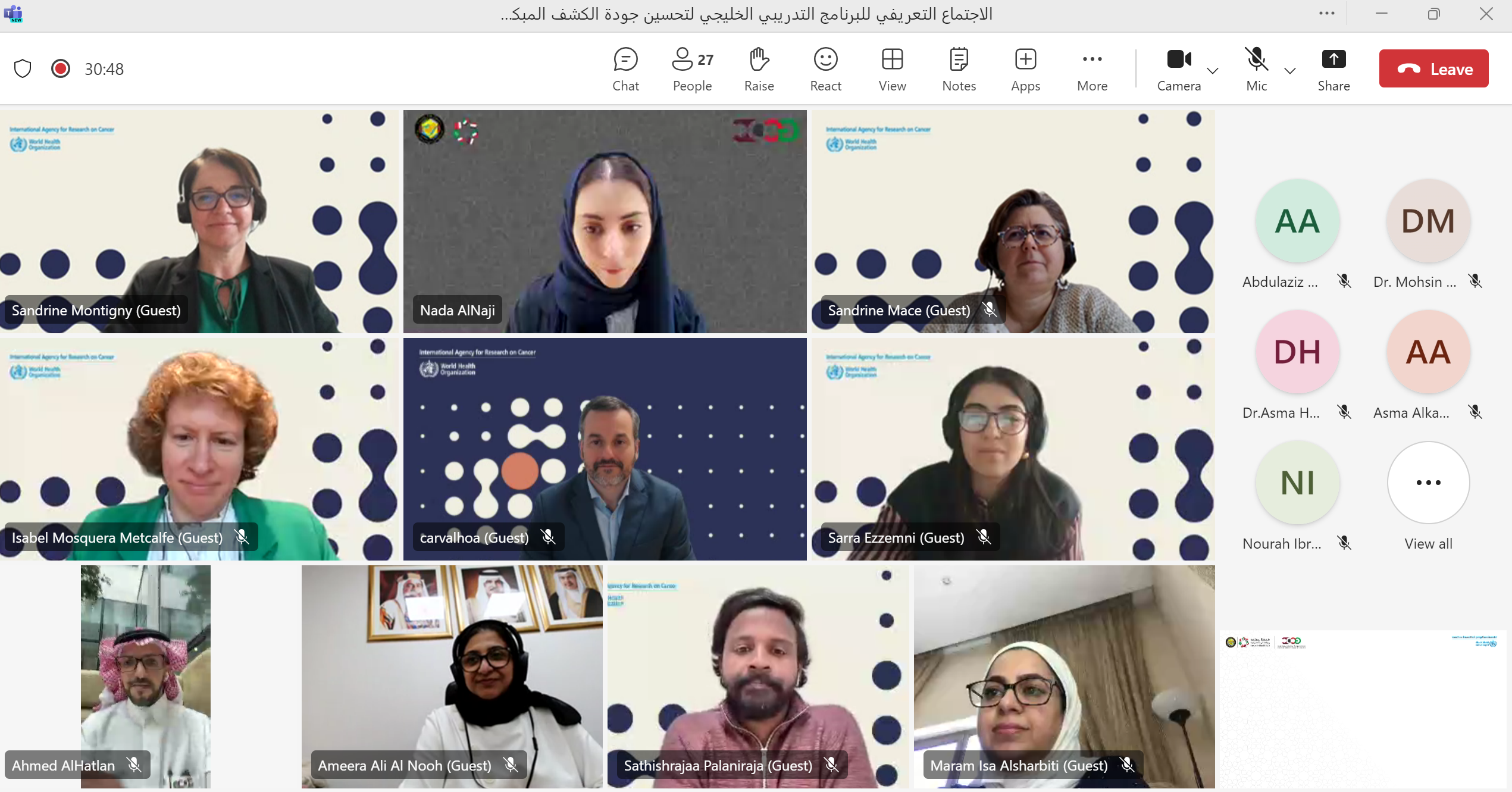
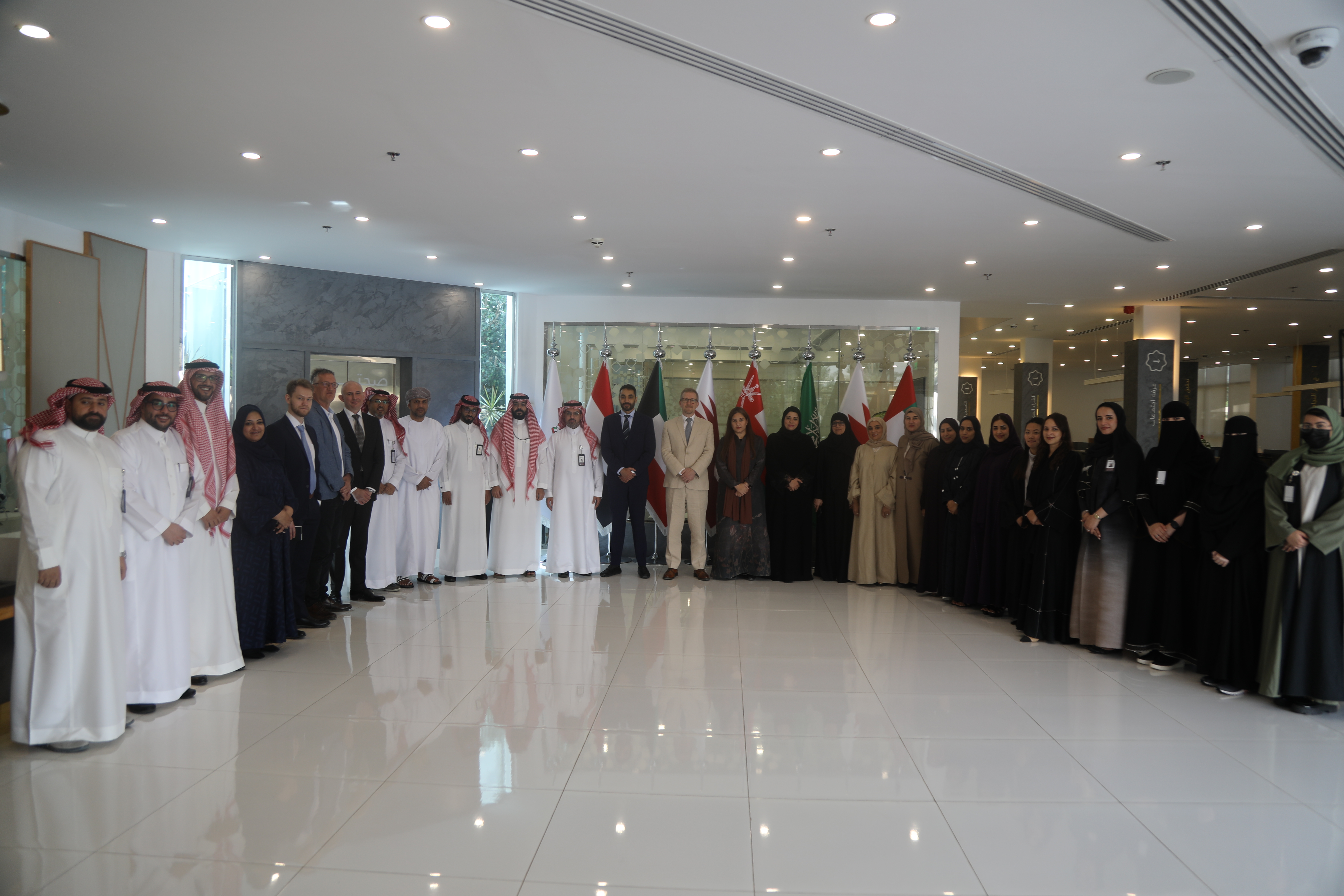
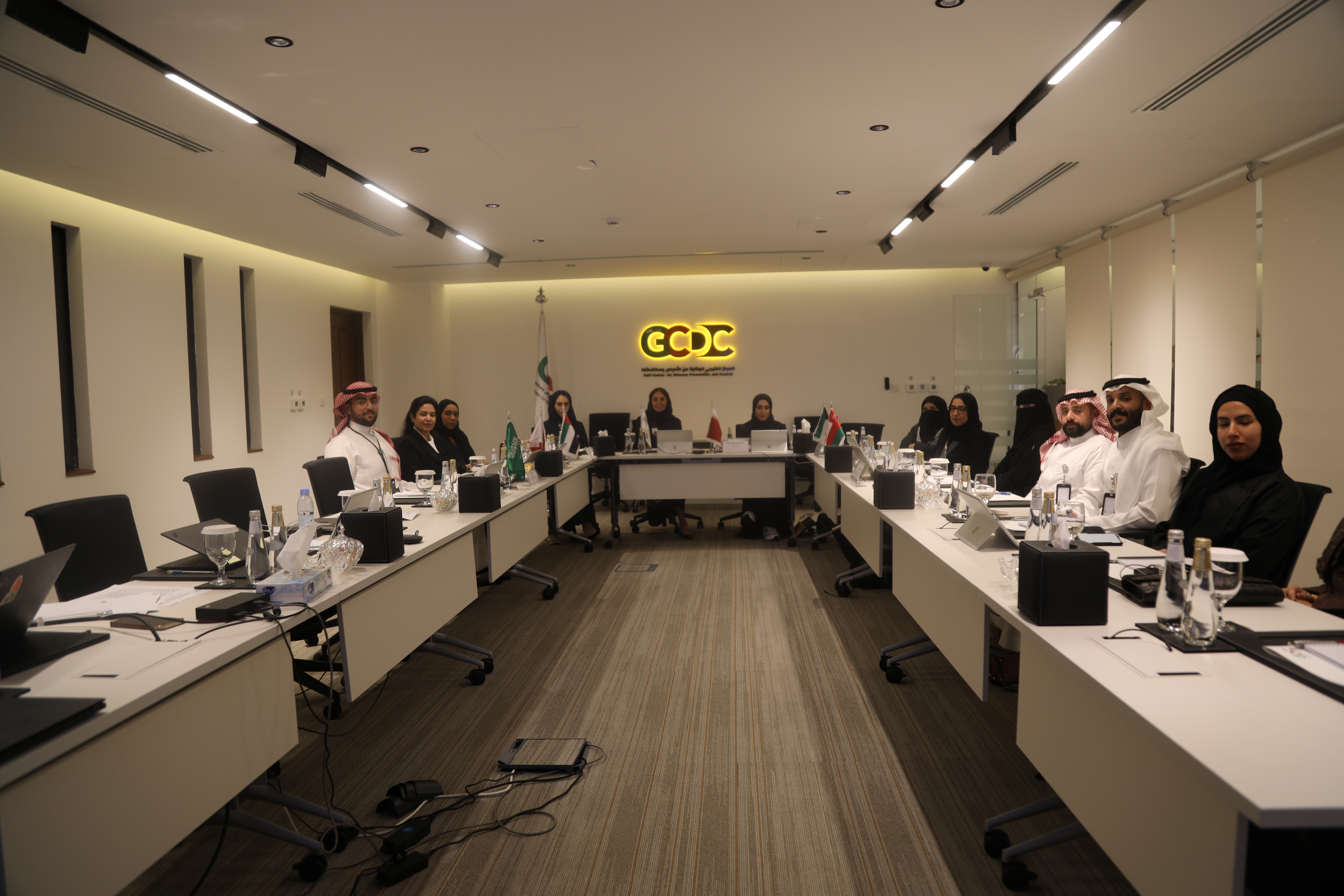
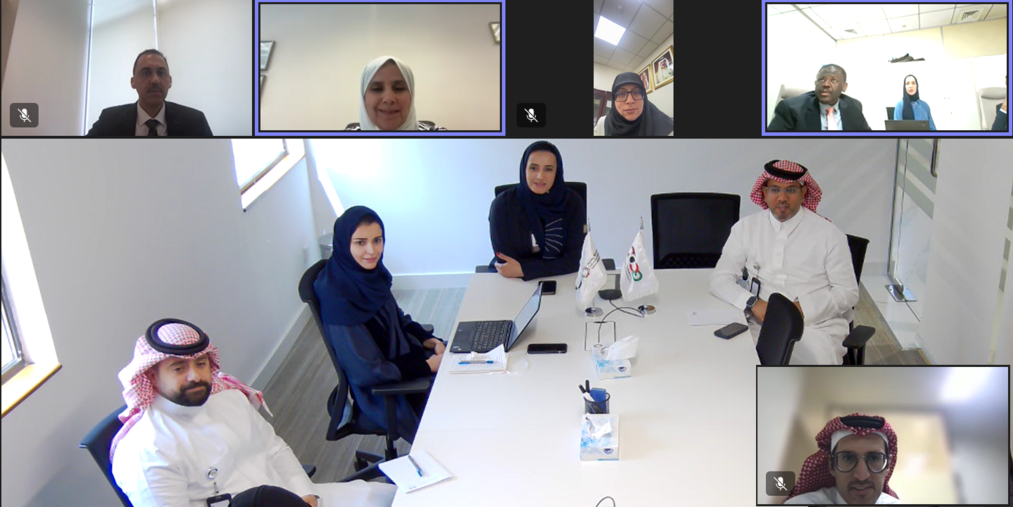
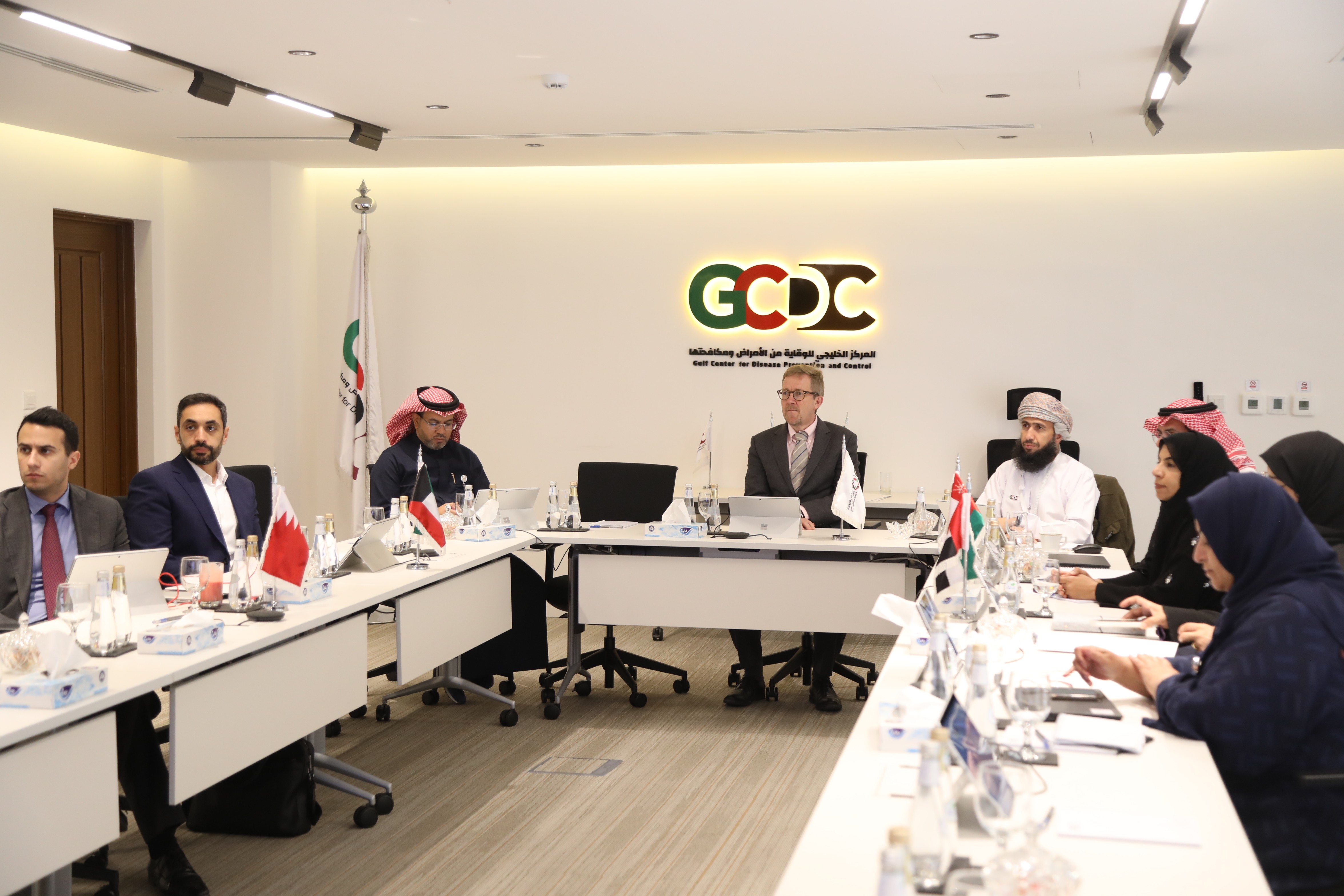
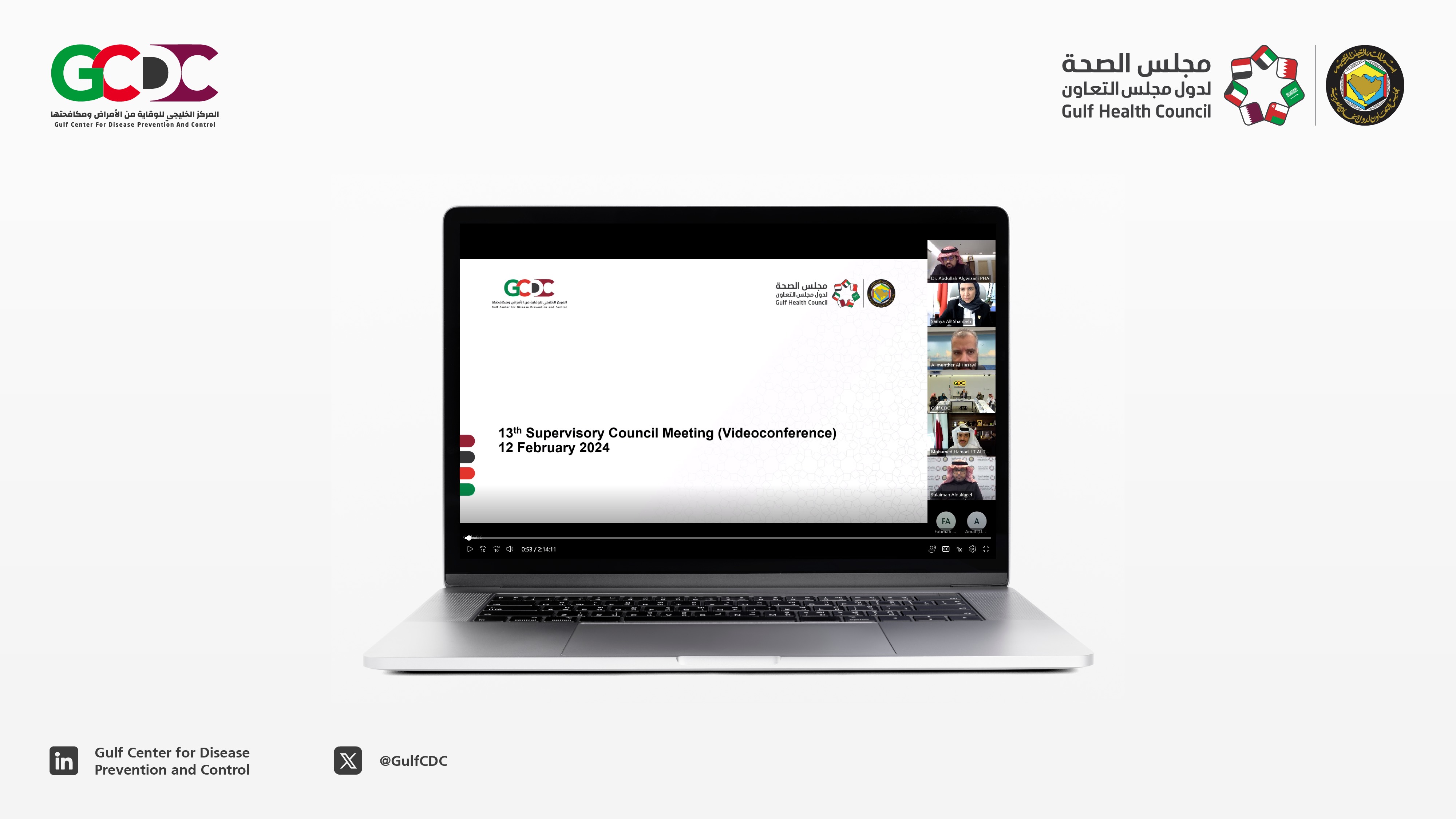
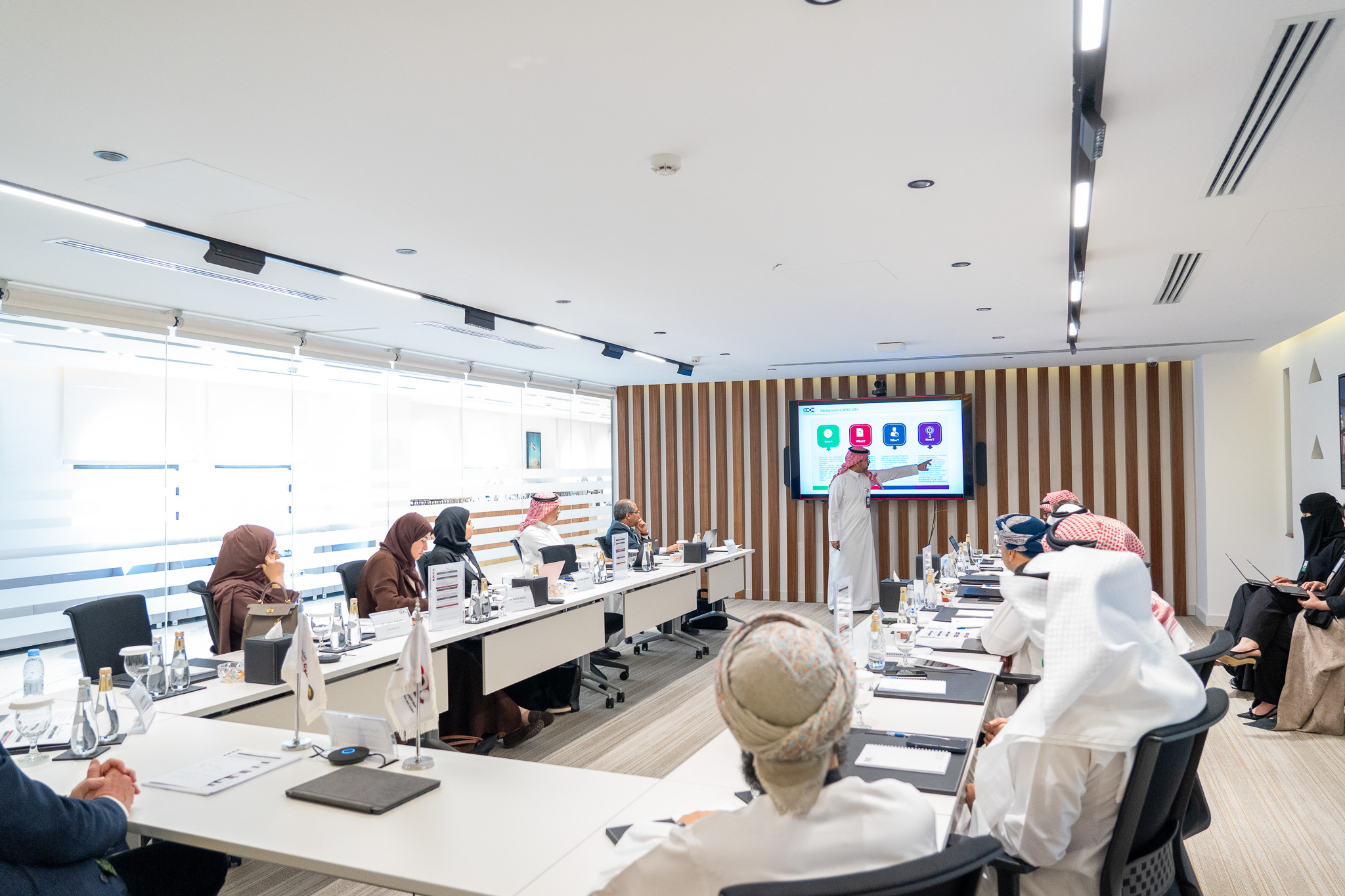
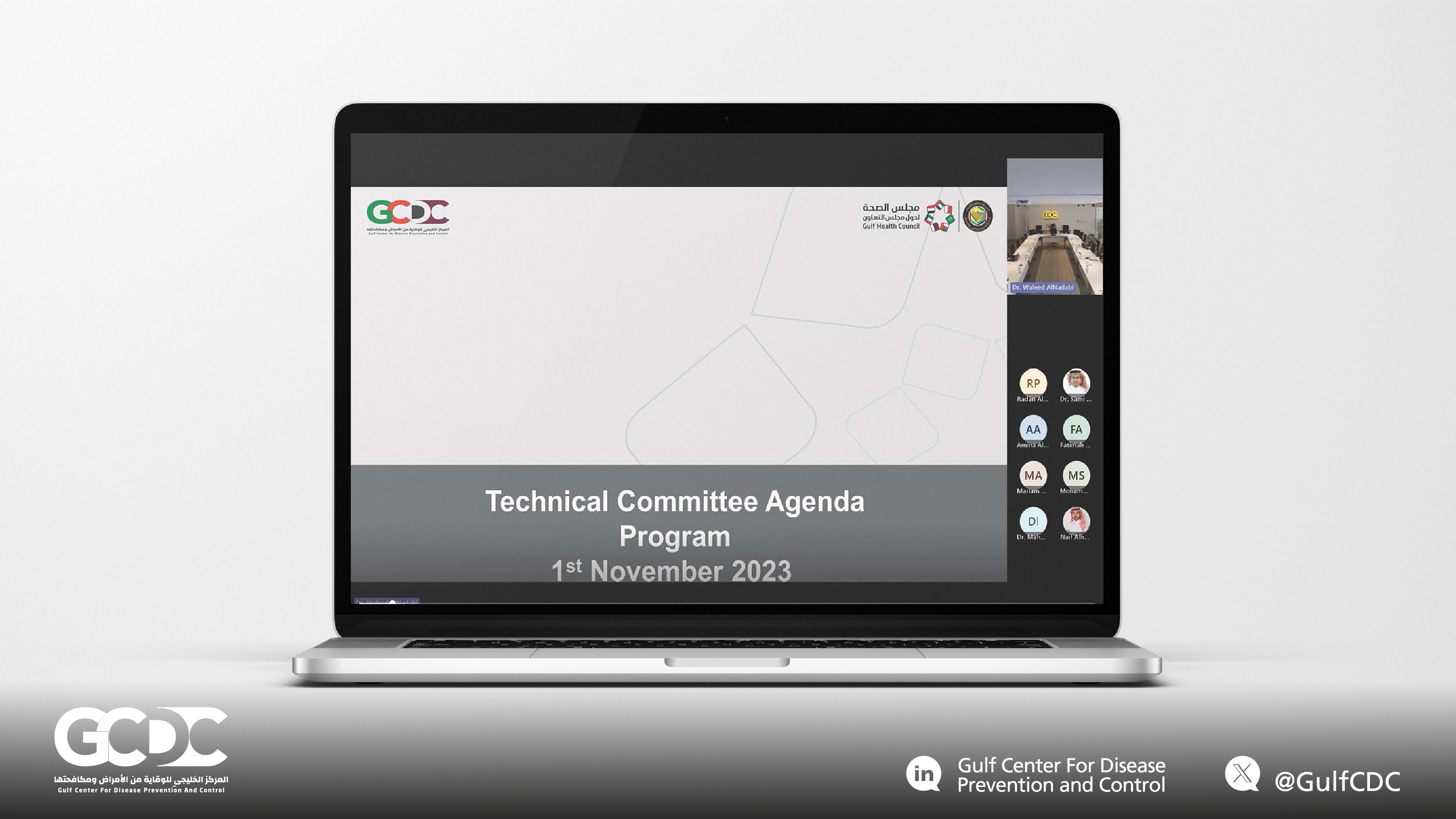
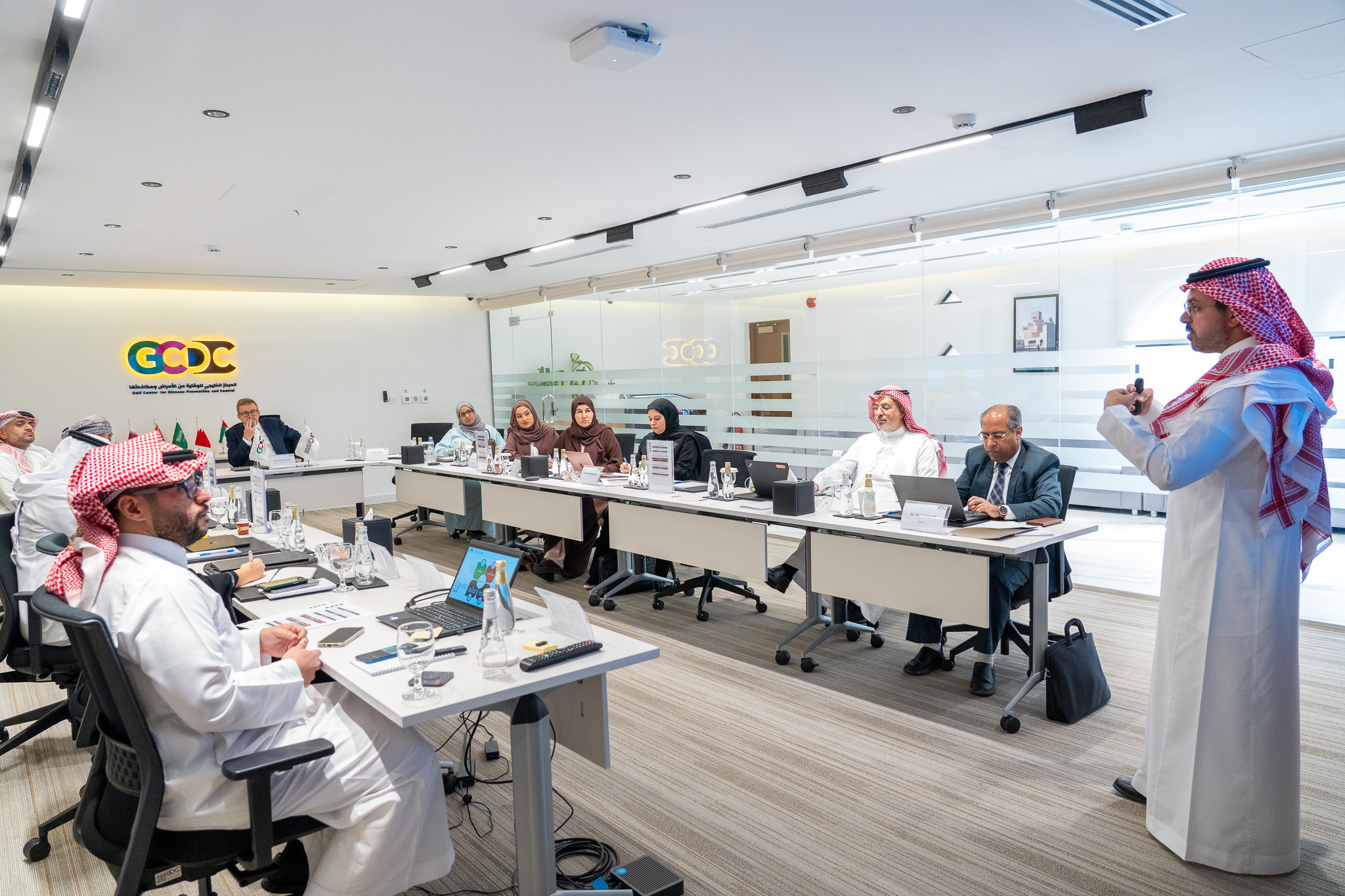
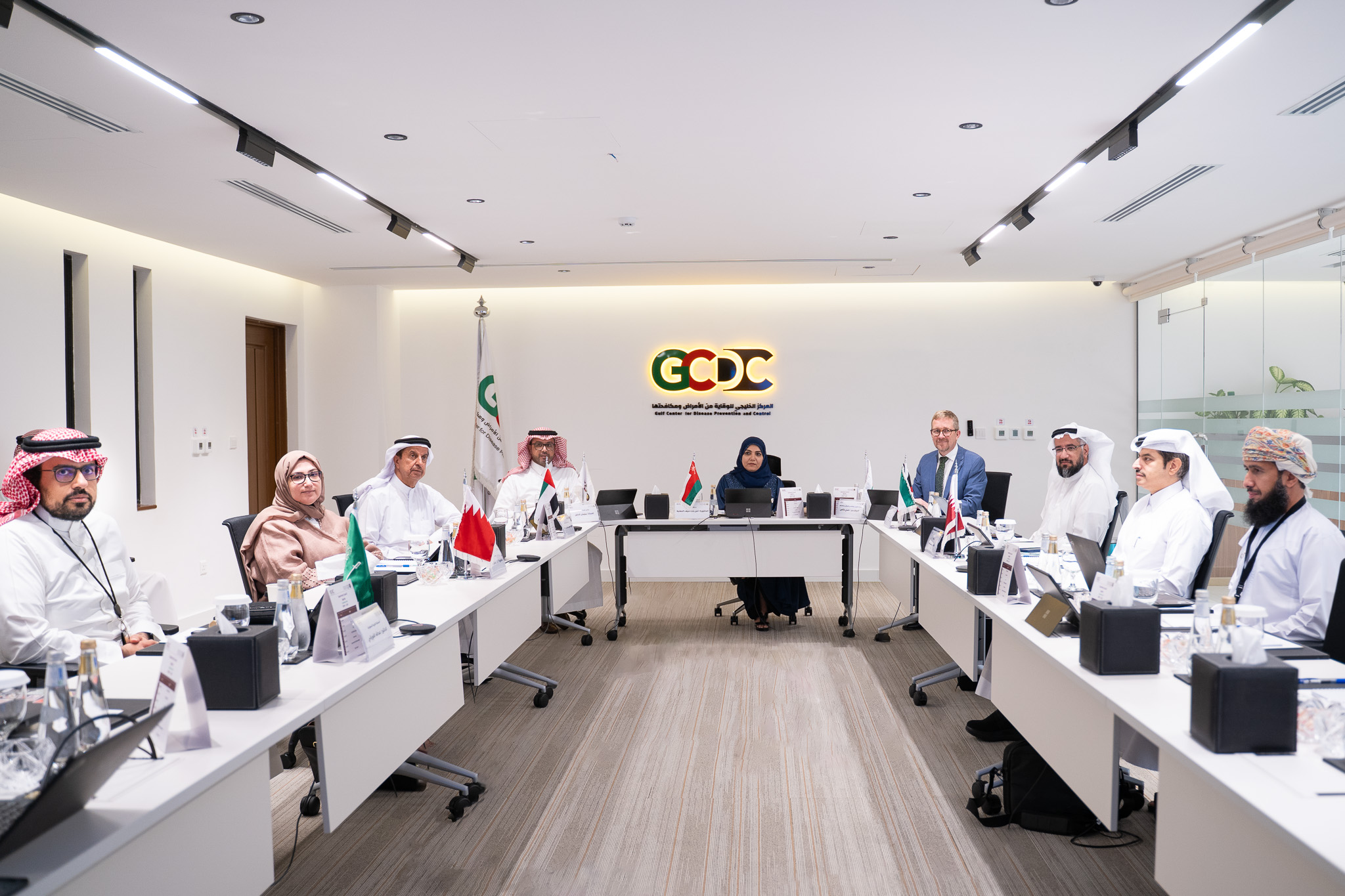
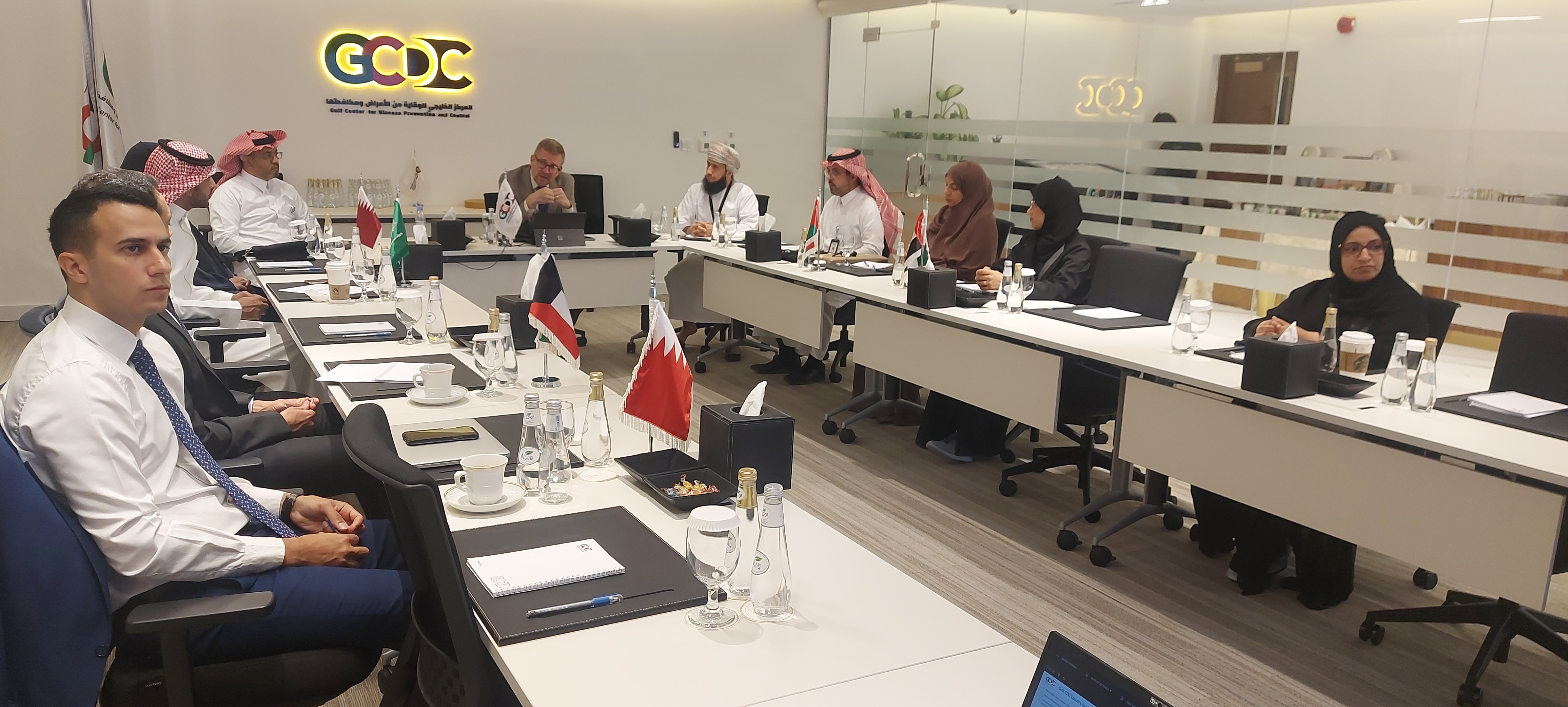
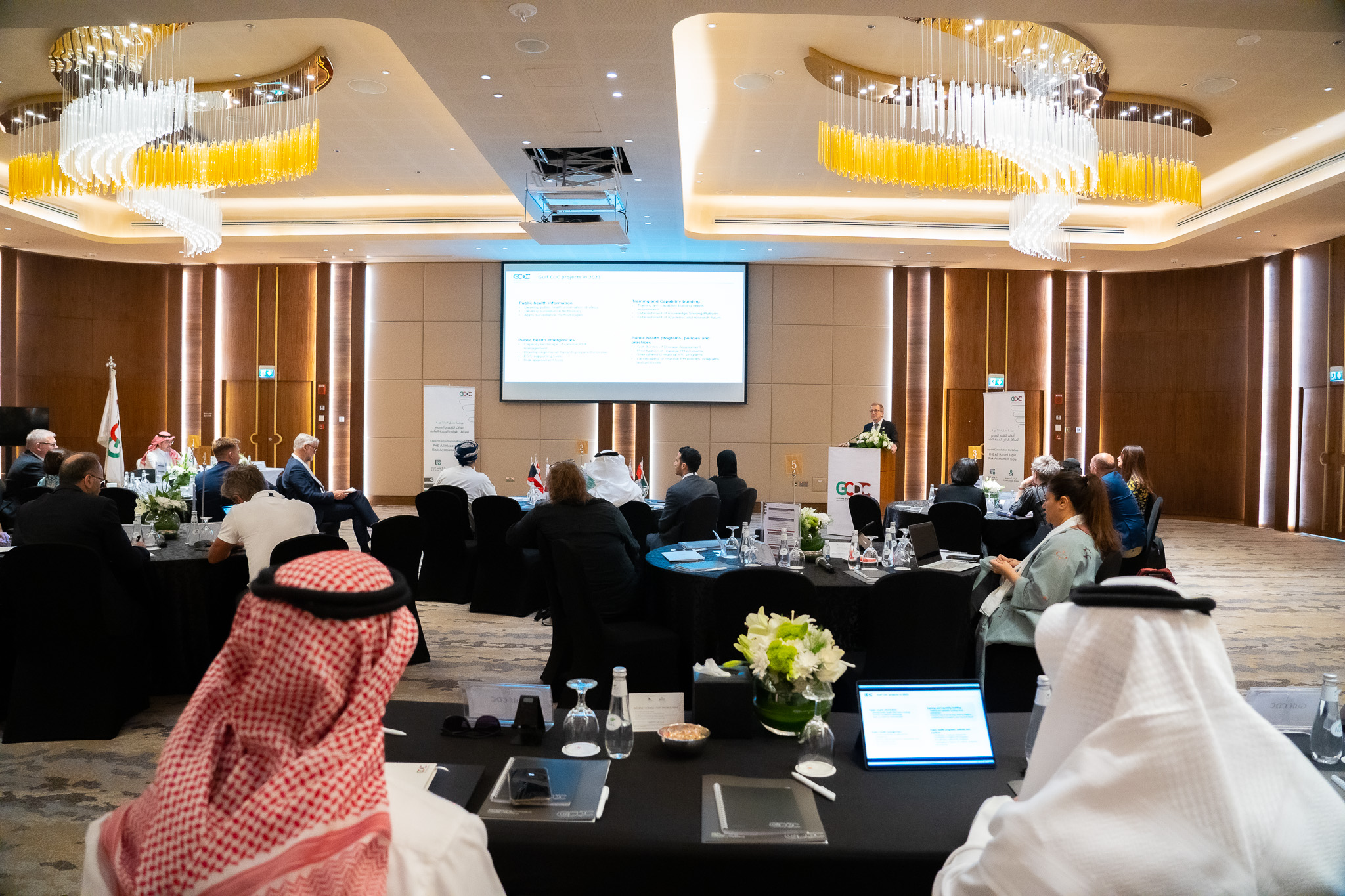
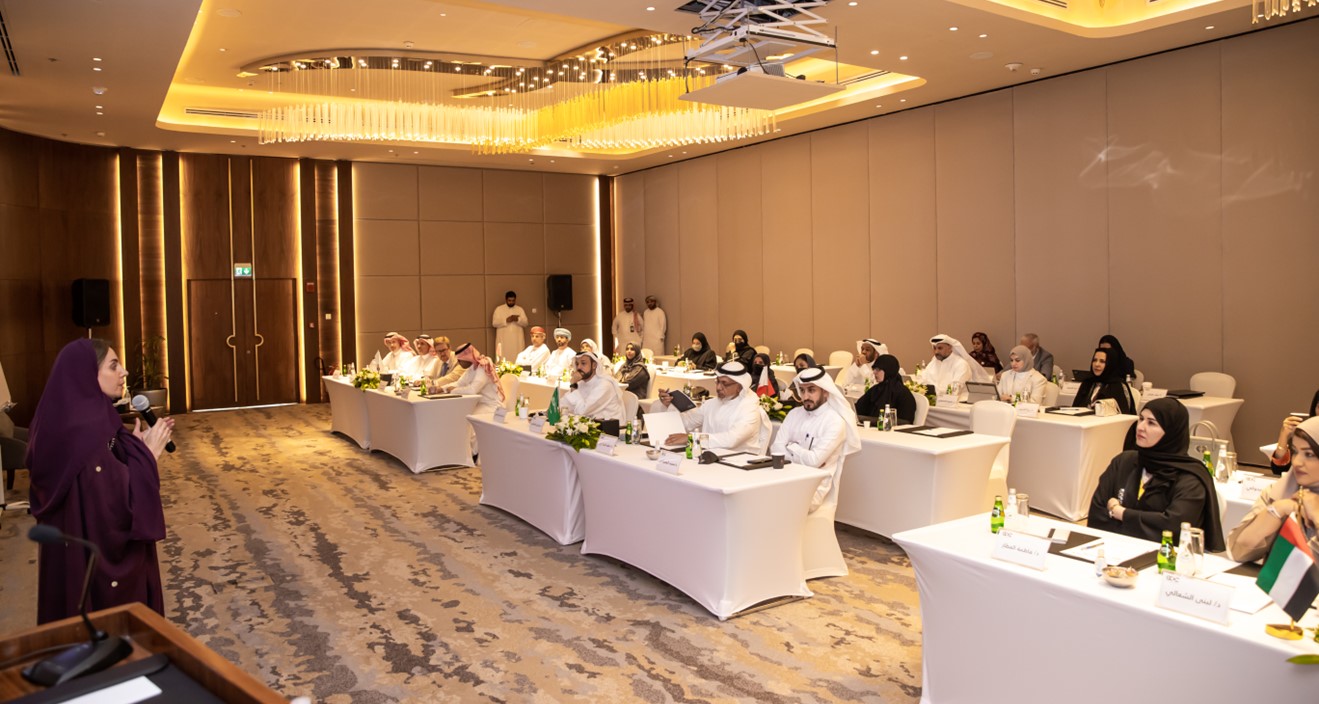
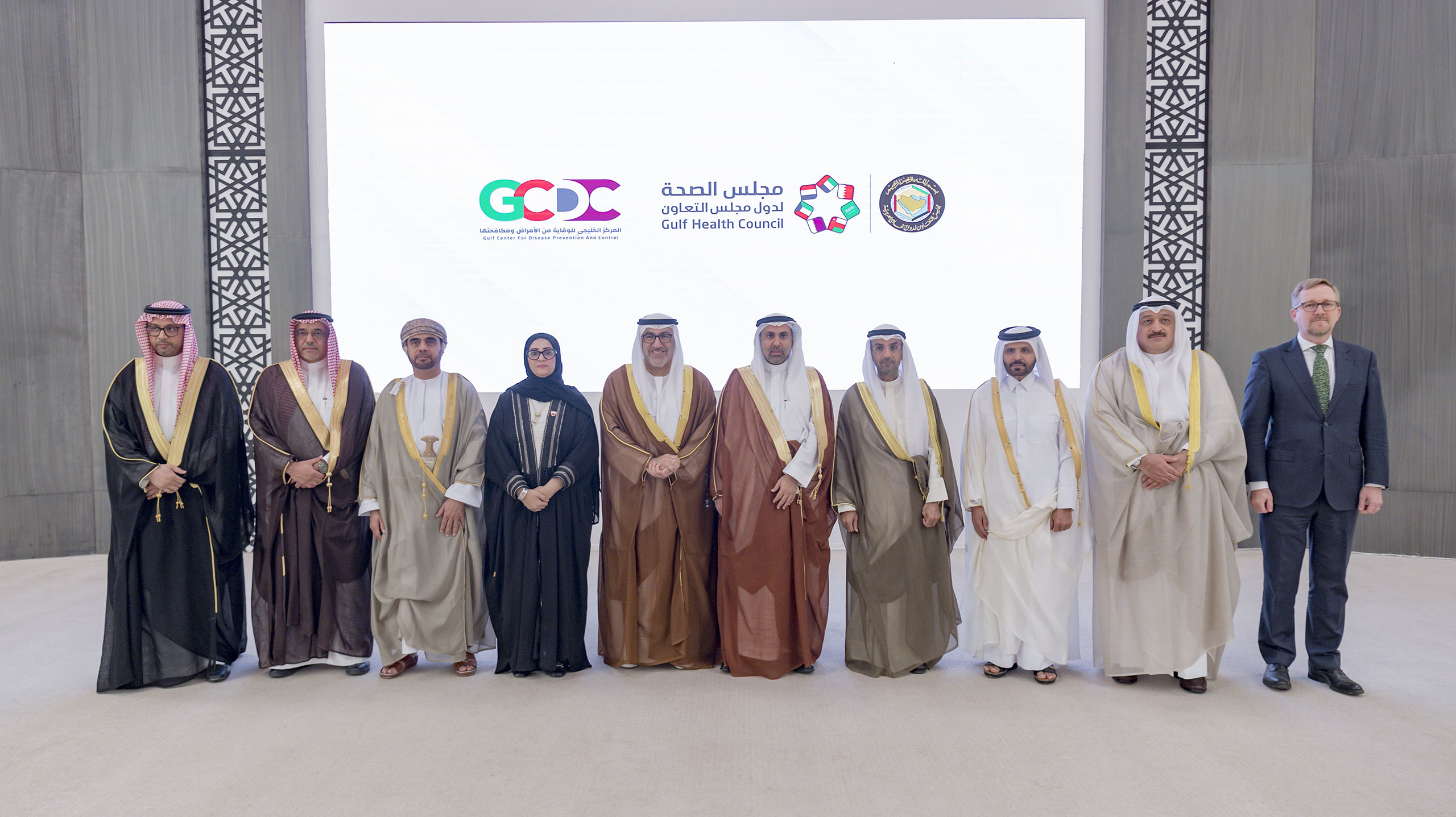
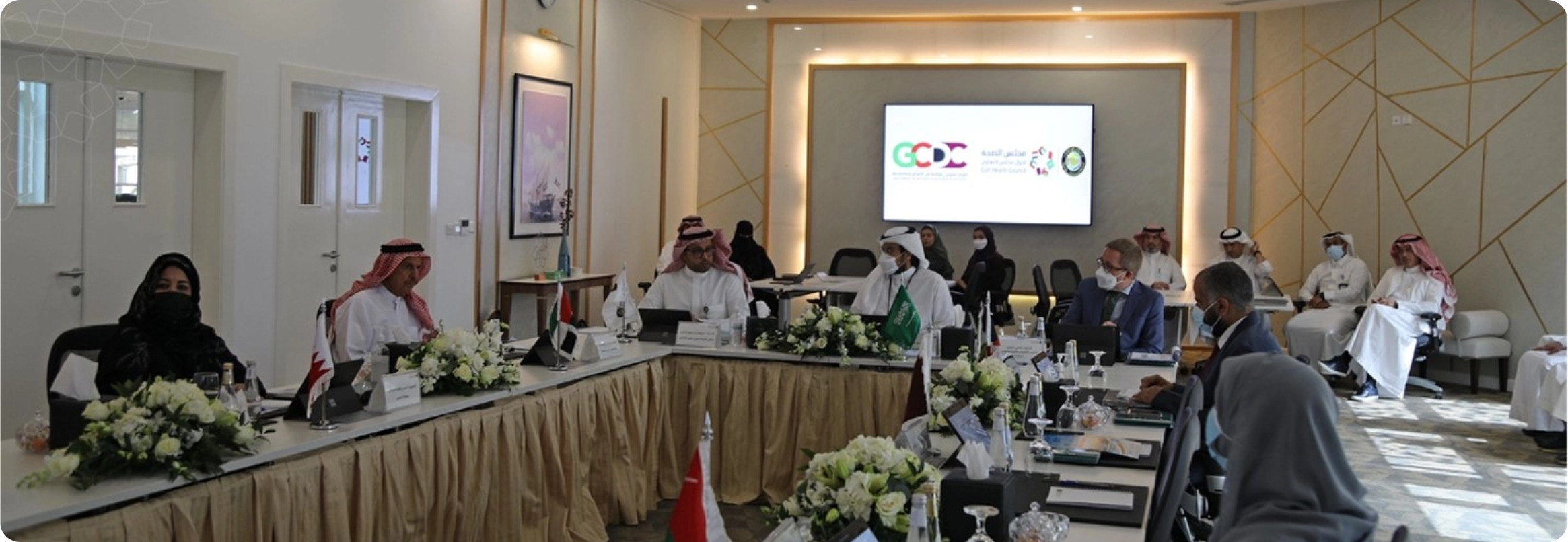
The Gulf Center for Disease Prevention and Control (Gulf CDC) convened, via videoconference, the Burden of Disease Working Group meeting on Wednesday, 29 April, with the participation of representatives from GCC Member States, as part of ongoing efforts to support the development of health indicators and enhance the accuracy of epidemiological measurements across the Gulf region.
The meeting commenced with welcoming the new members of the working group, highlighting the importance of their role in supporting burden of disease analysis and advancing regional health measurement tools. Participants also reviewed the final assessment of the data gap analysis, which contributes to identifying existing challenges and strengthening the quality of health data used in developing indicators.
Discussions further covered the final review of the unified GCC standard population framework, in addition to reviewing an assessment tool for electronic health and medical record systems, aimed at supporting the harmonization of methodologies and improving the efficiency of data collection and analysis.
The meeting also addressed the assessment of Member States’ readiness to calculate the Years of Life Lost (YLL) indicator, recognized as one of the key measures used in assessing disease burden and supporting evidence-based health decision-making.
This meeting forms part of Gulf CDC’s continuous efforts to strengthen integration in the field of health information and to advance burden of disease indicators, contributing to informed health planning and improved quality of life across the GCC countries.