

Gulf CDC Conducts Regional Exercise to Strengthen Gulf Health Preparedness and Integration
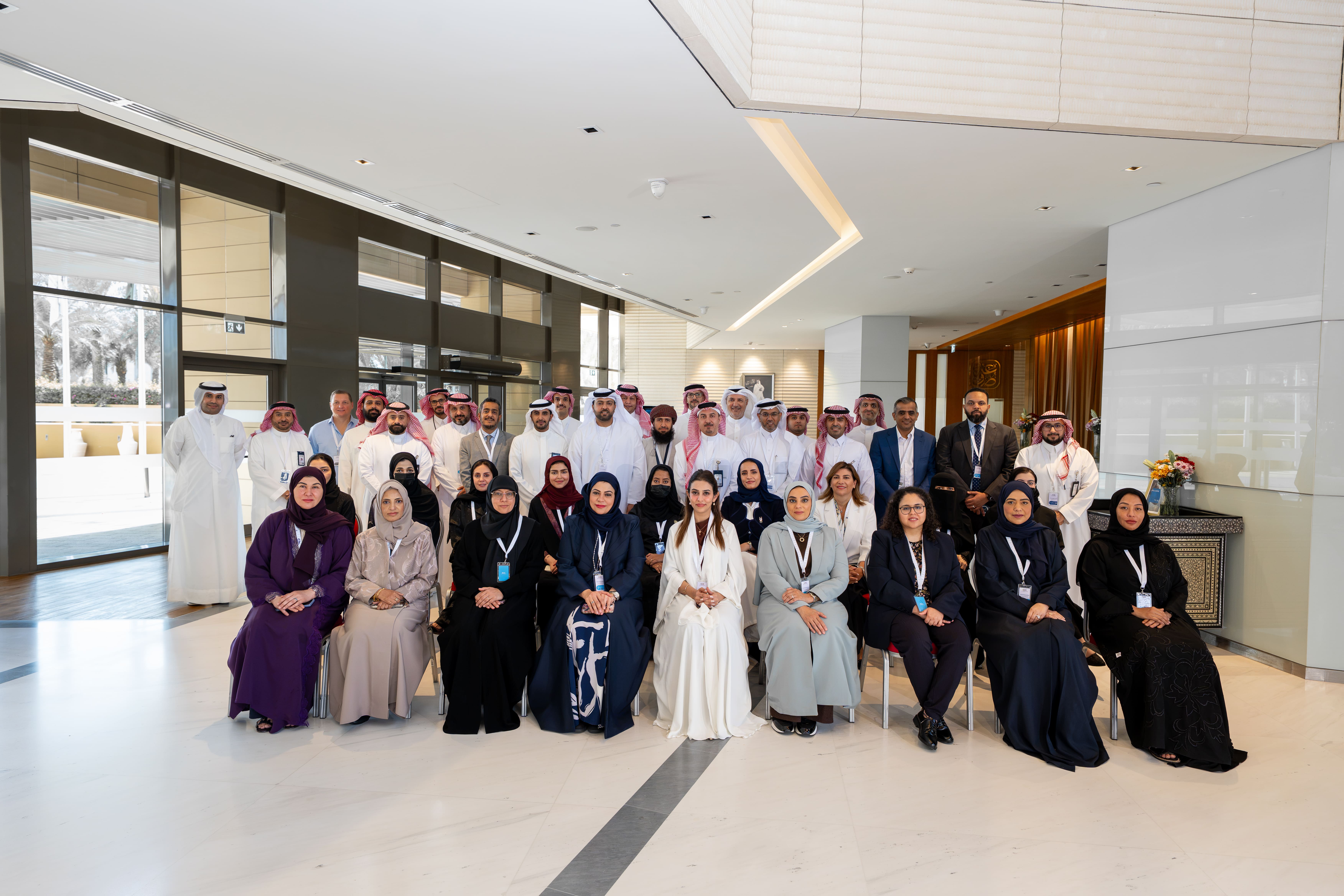
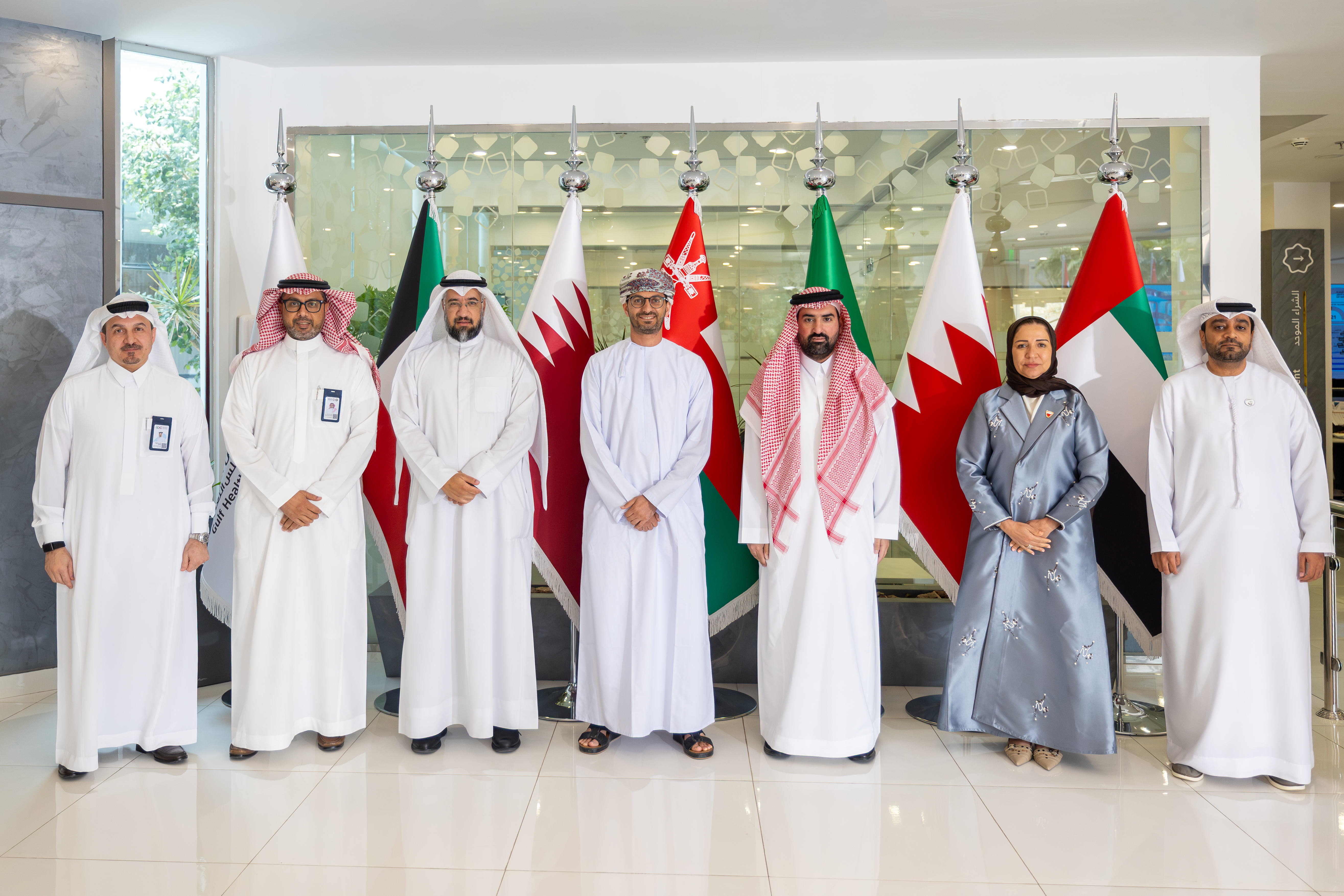
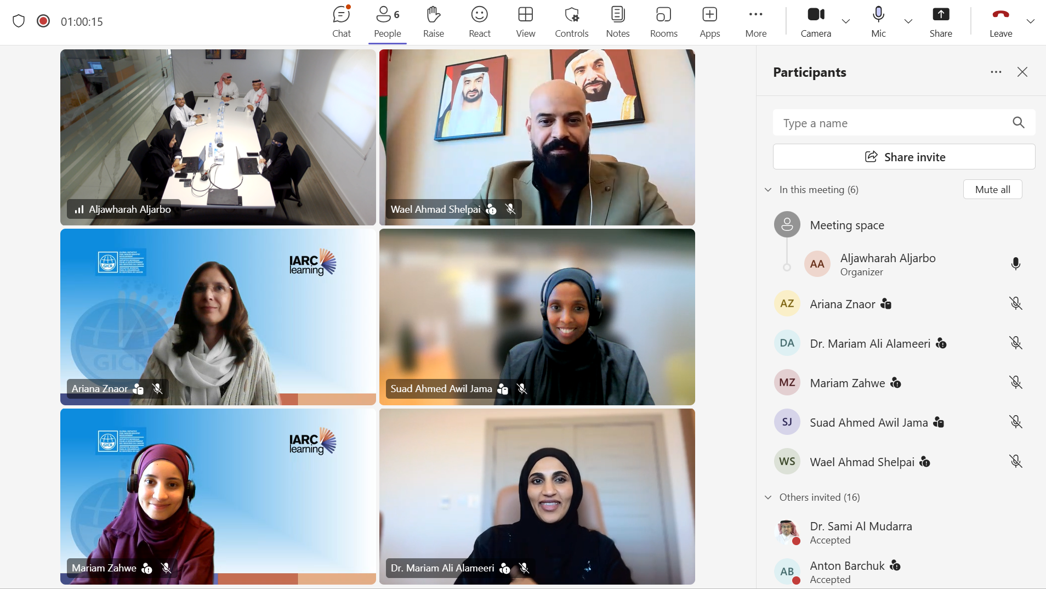
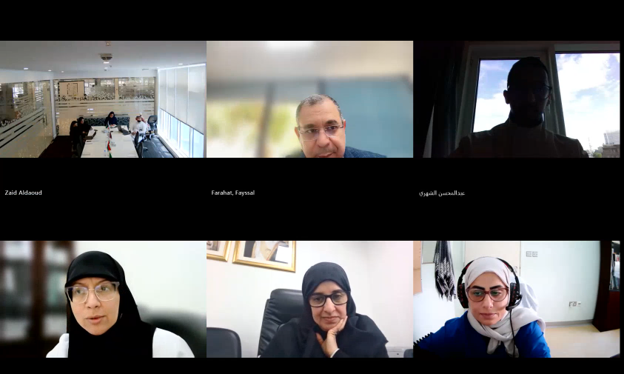
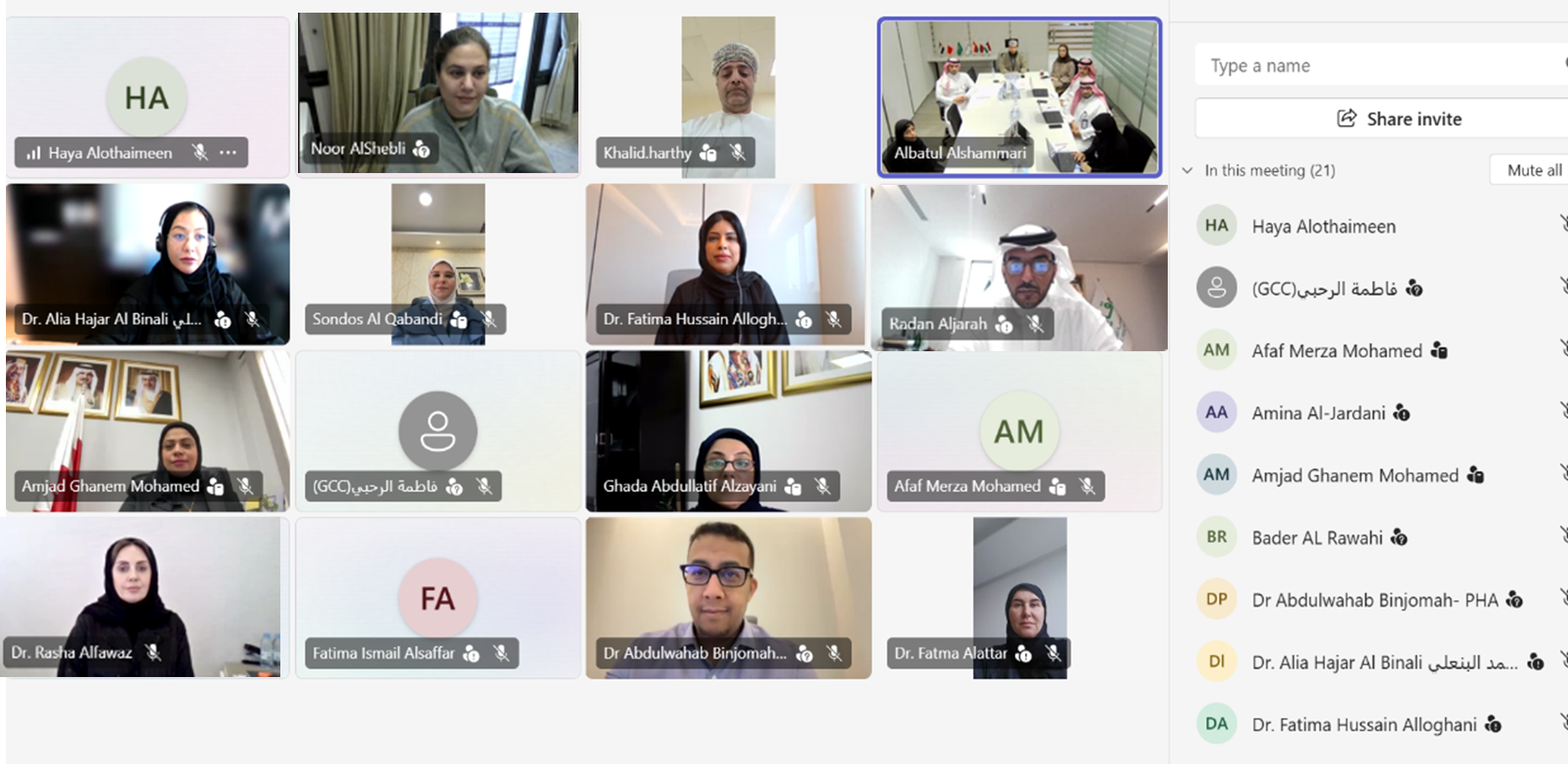
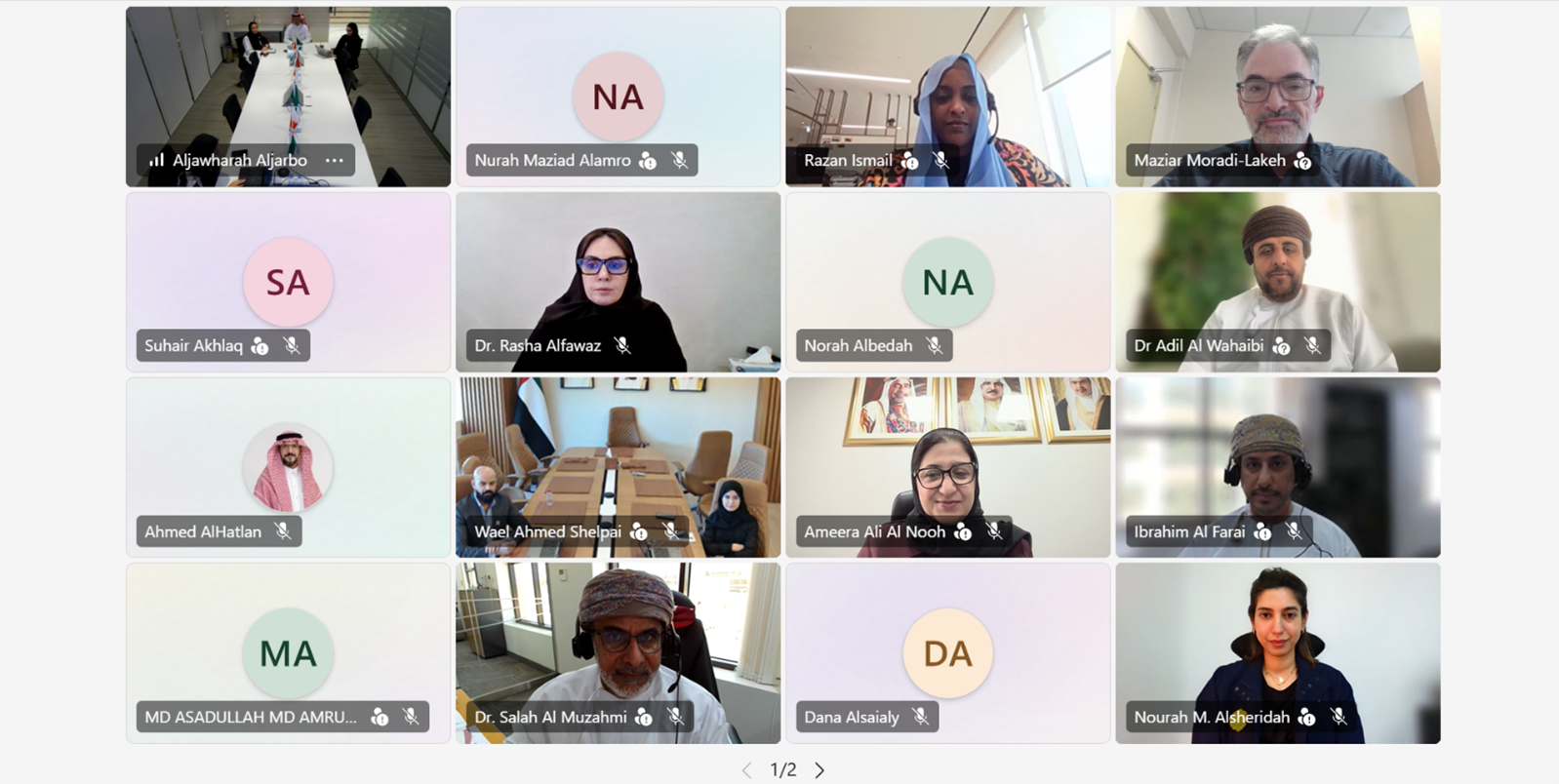
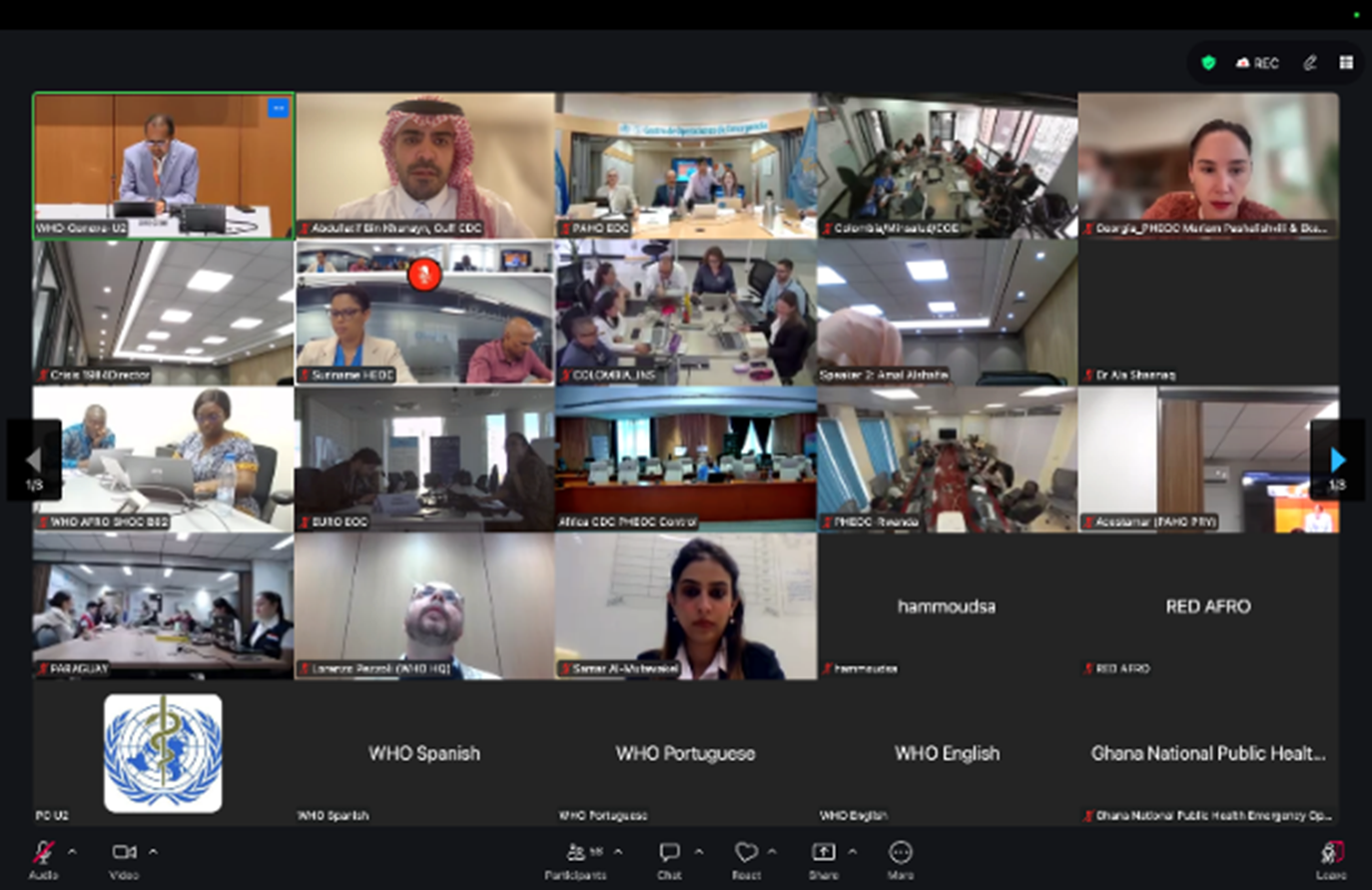
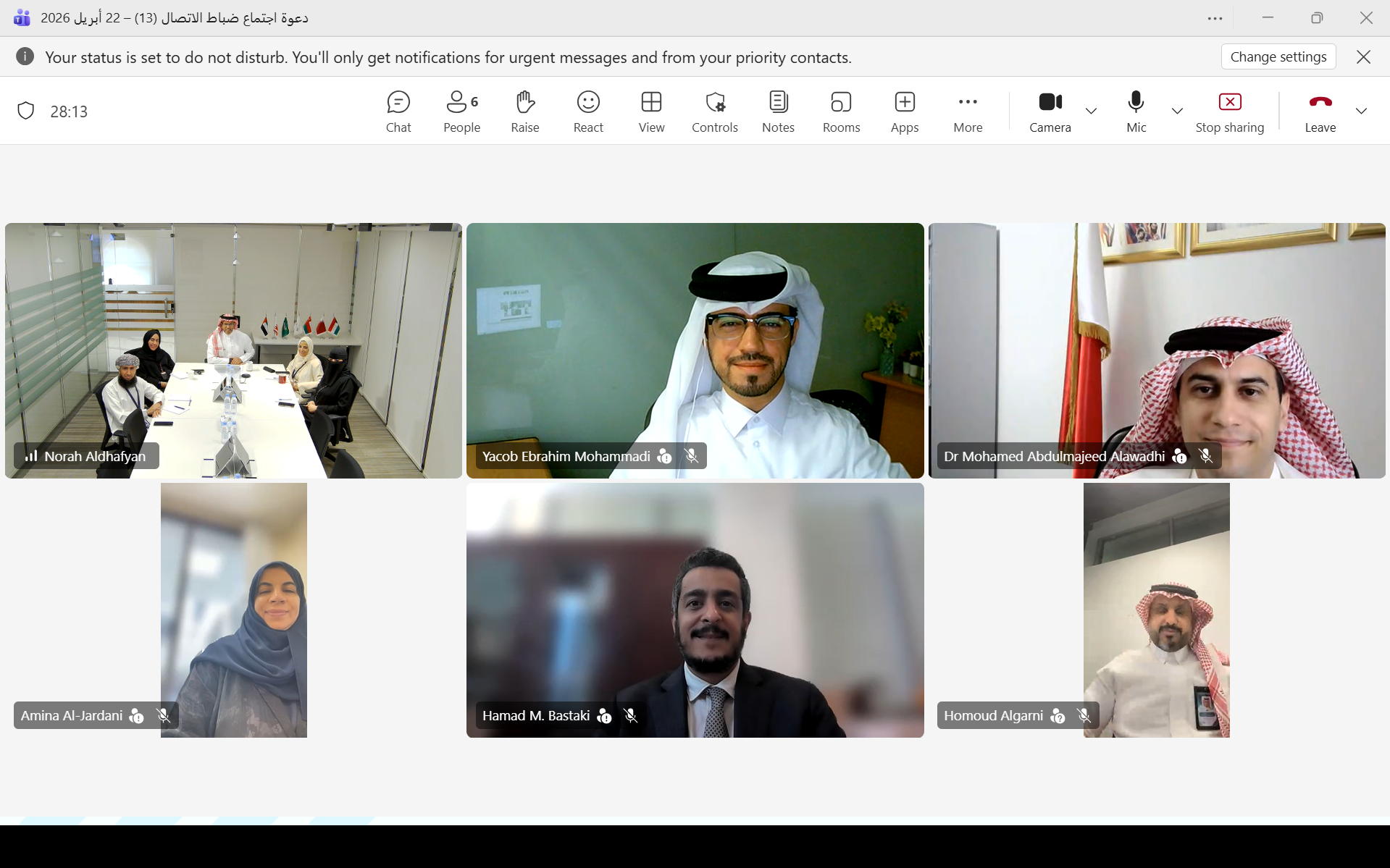
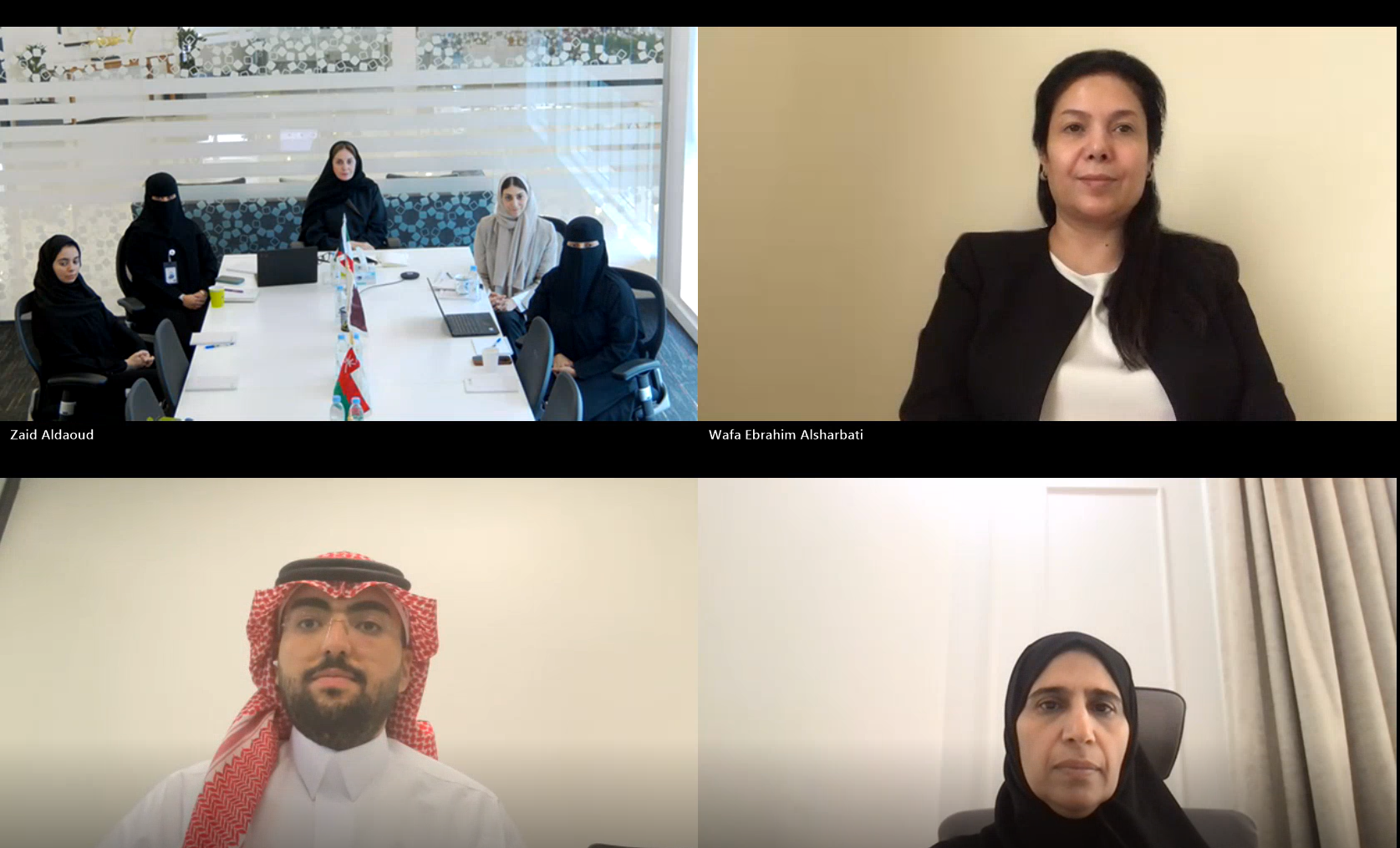
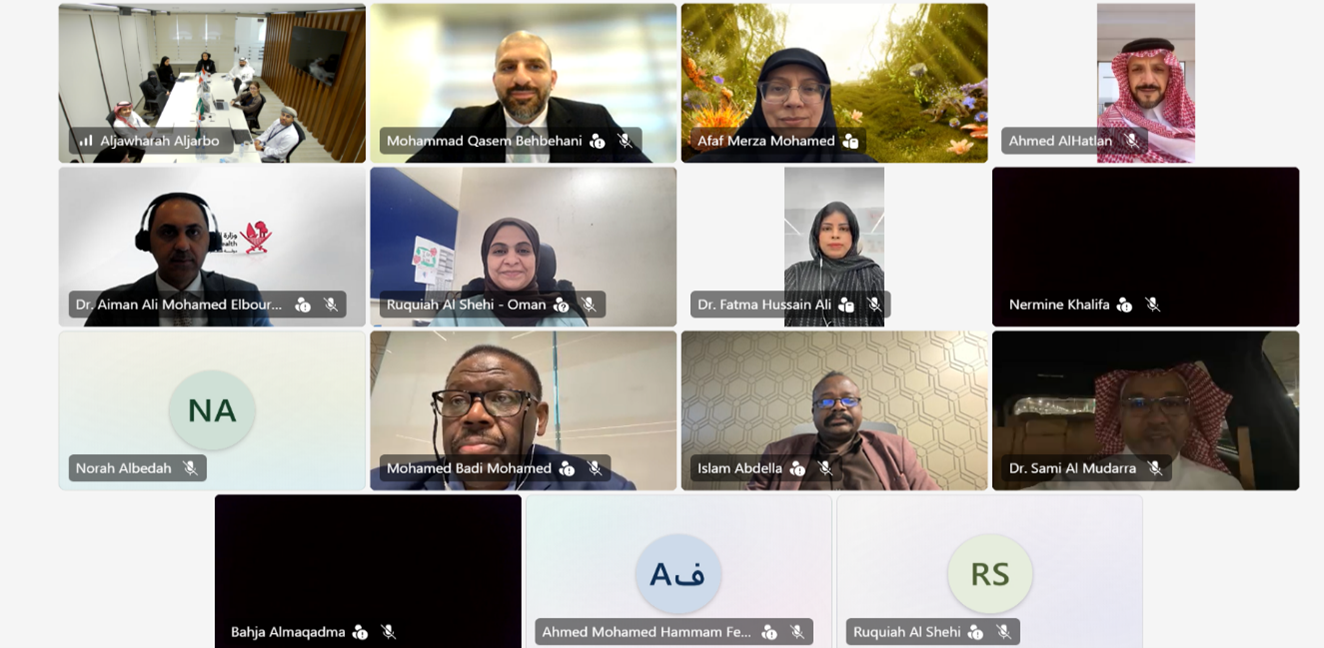
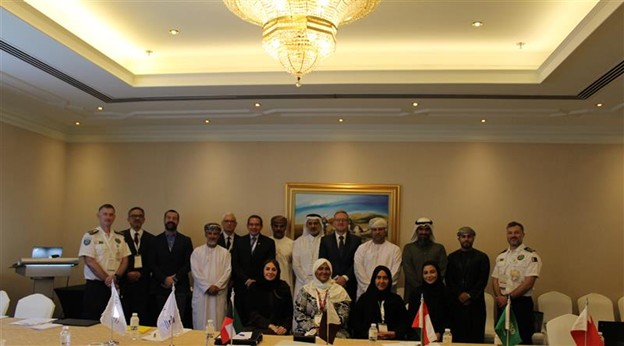
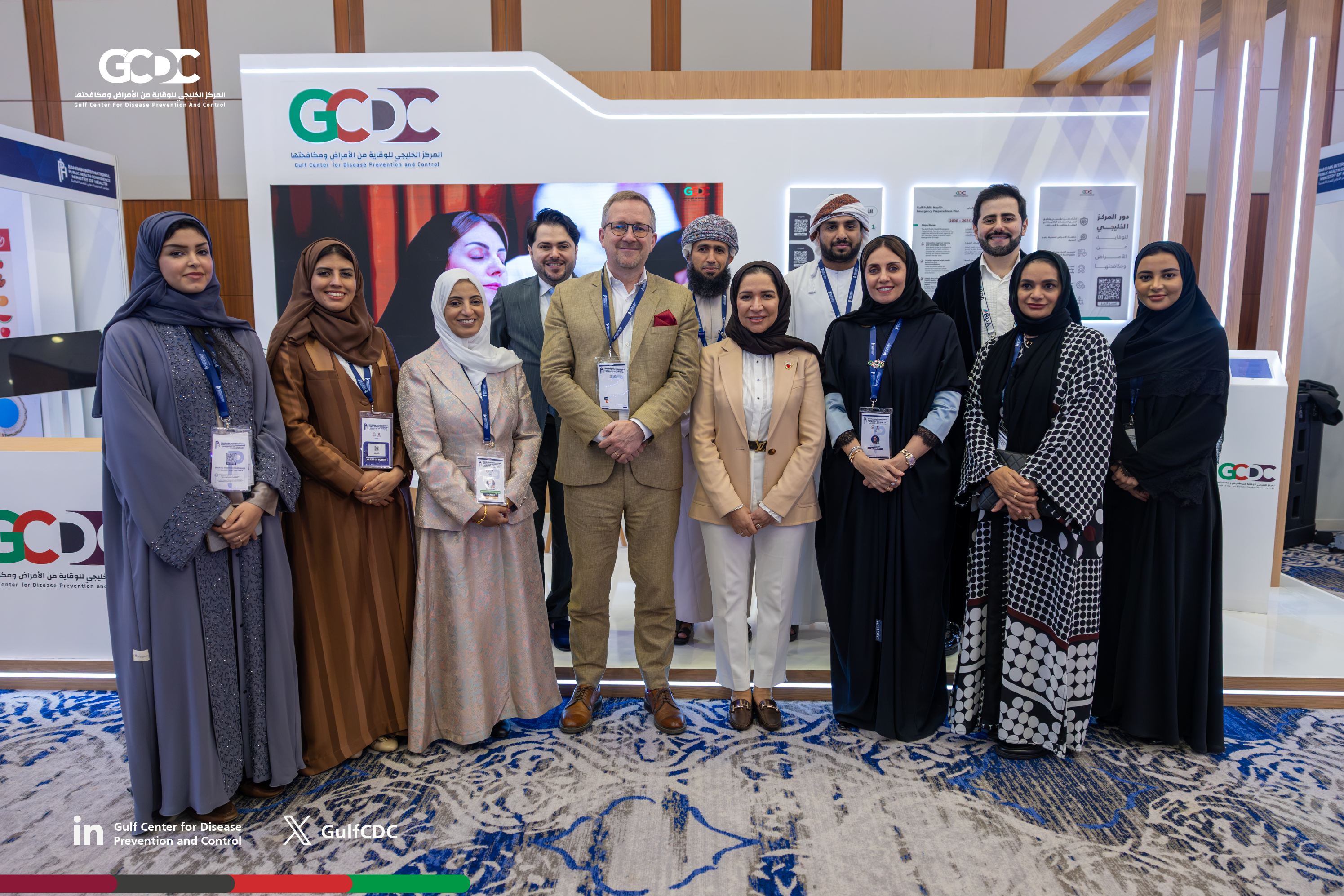
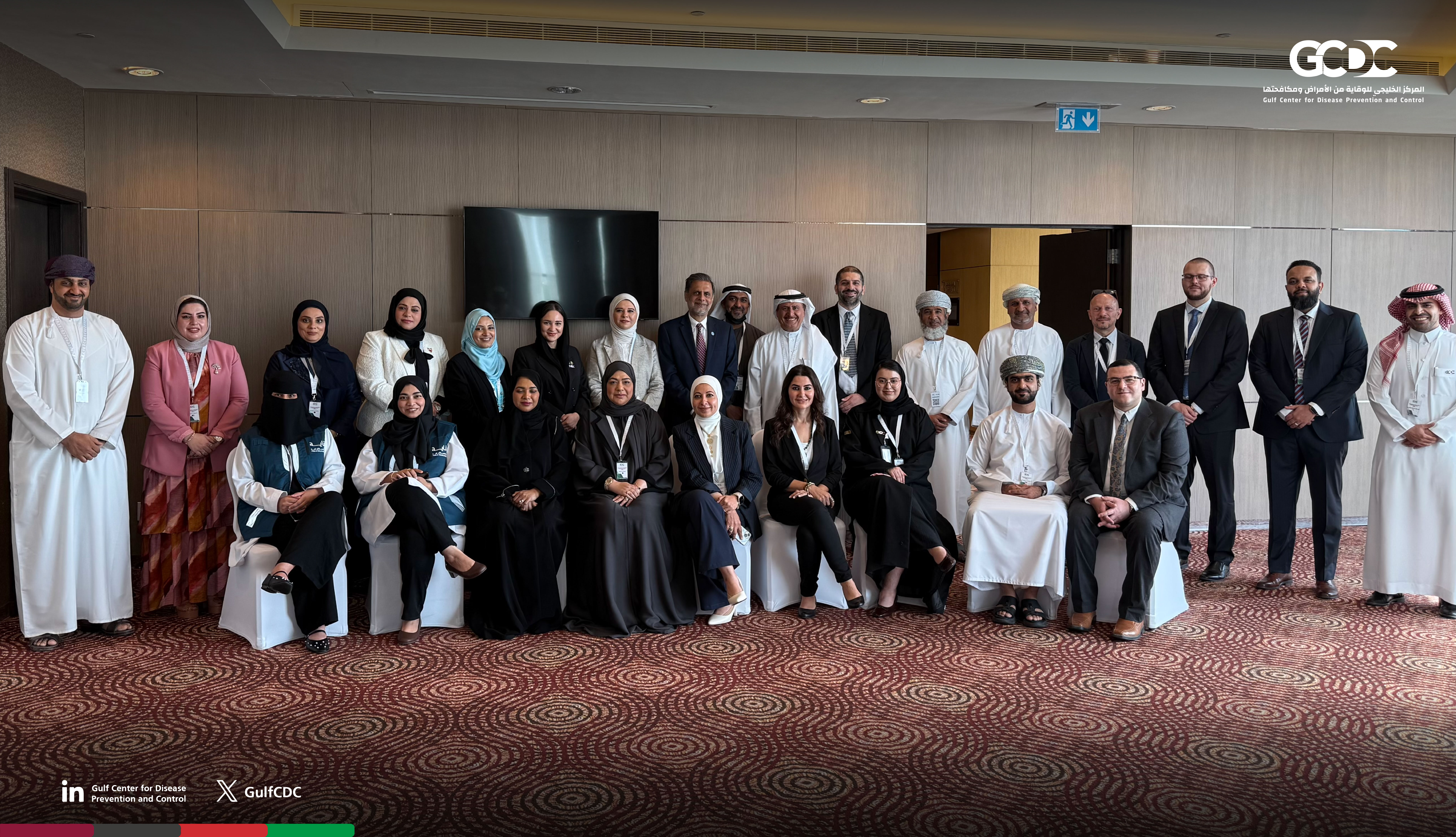
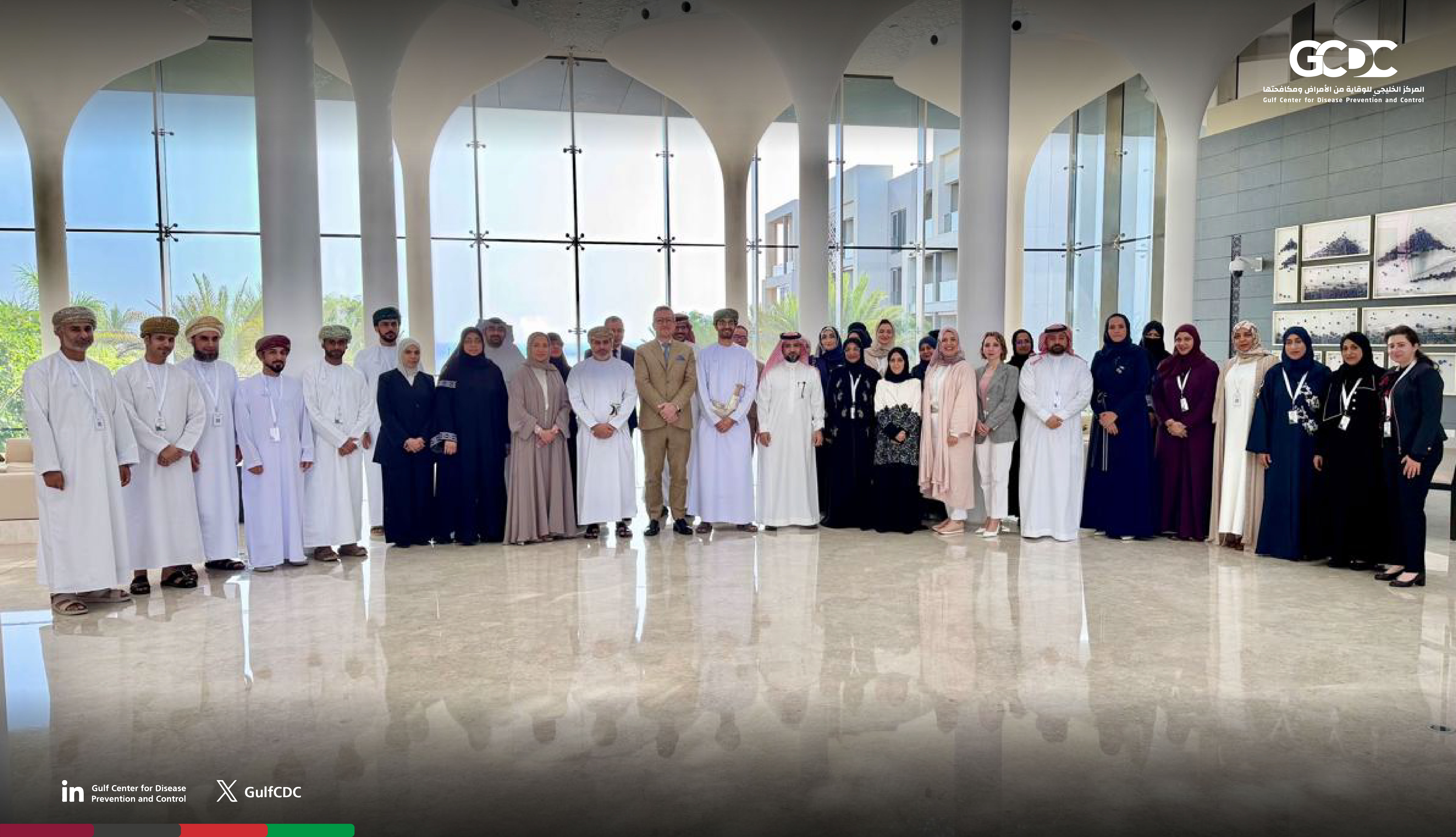
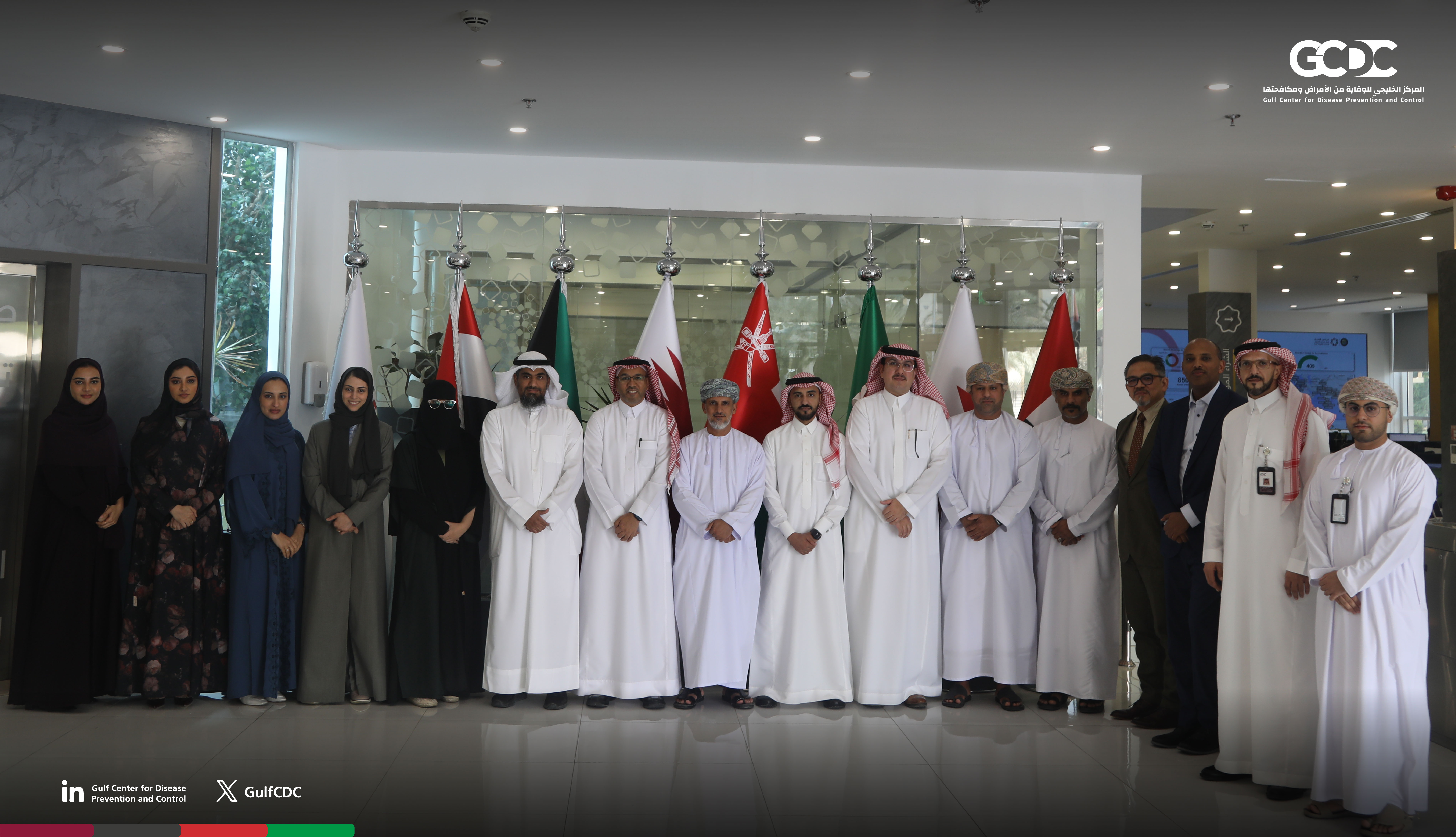
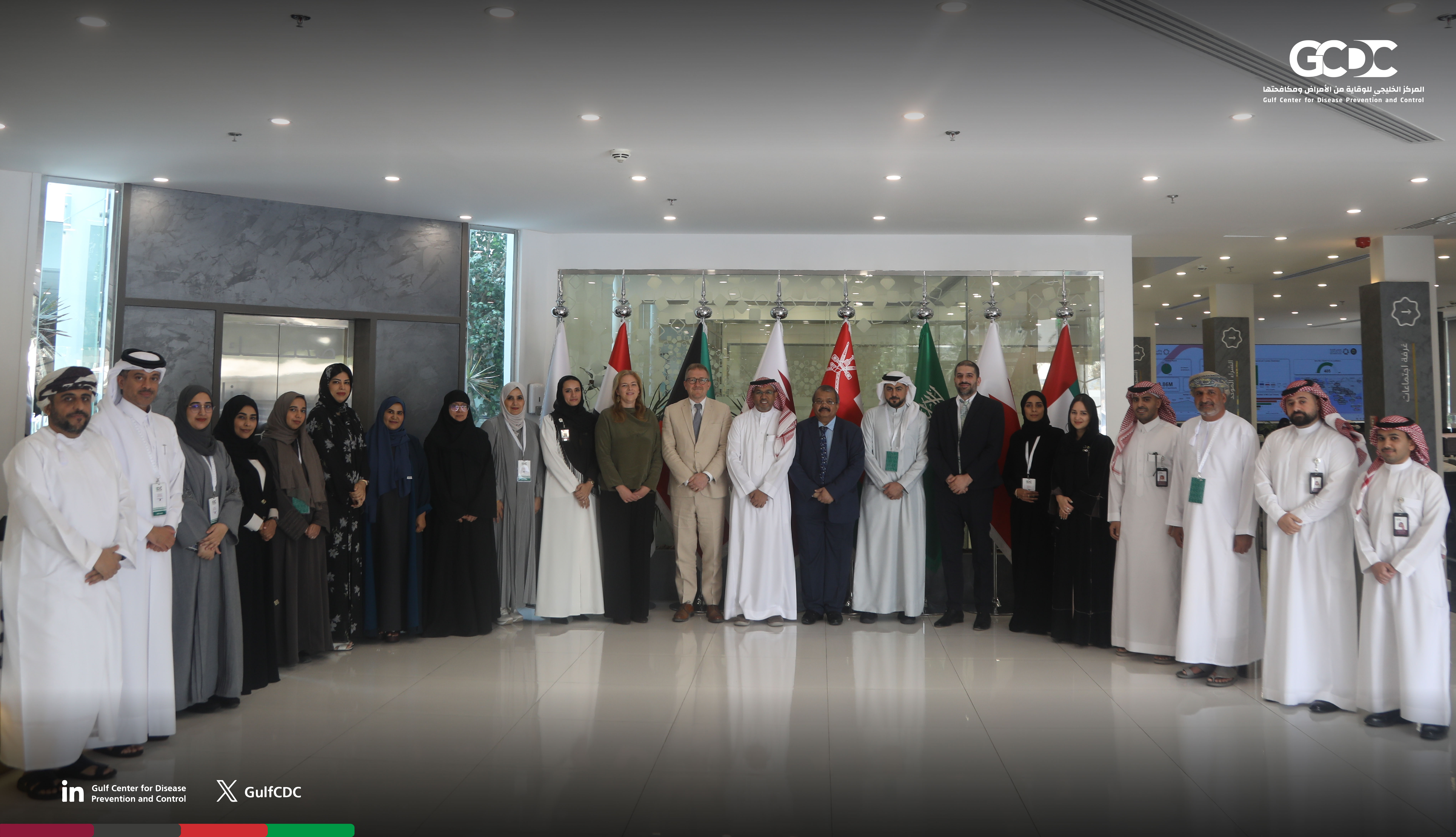
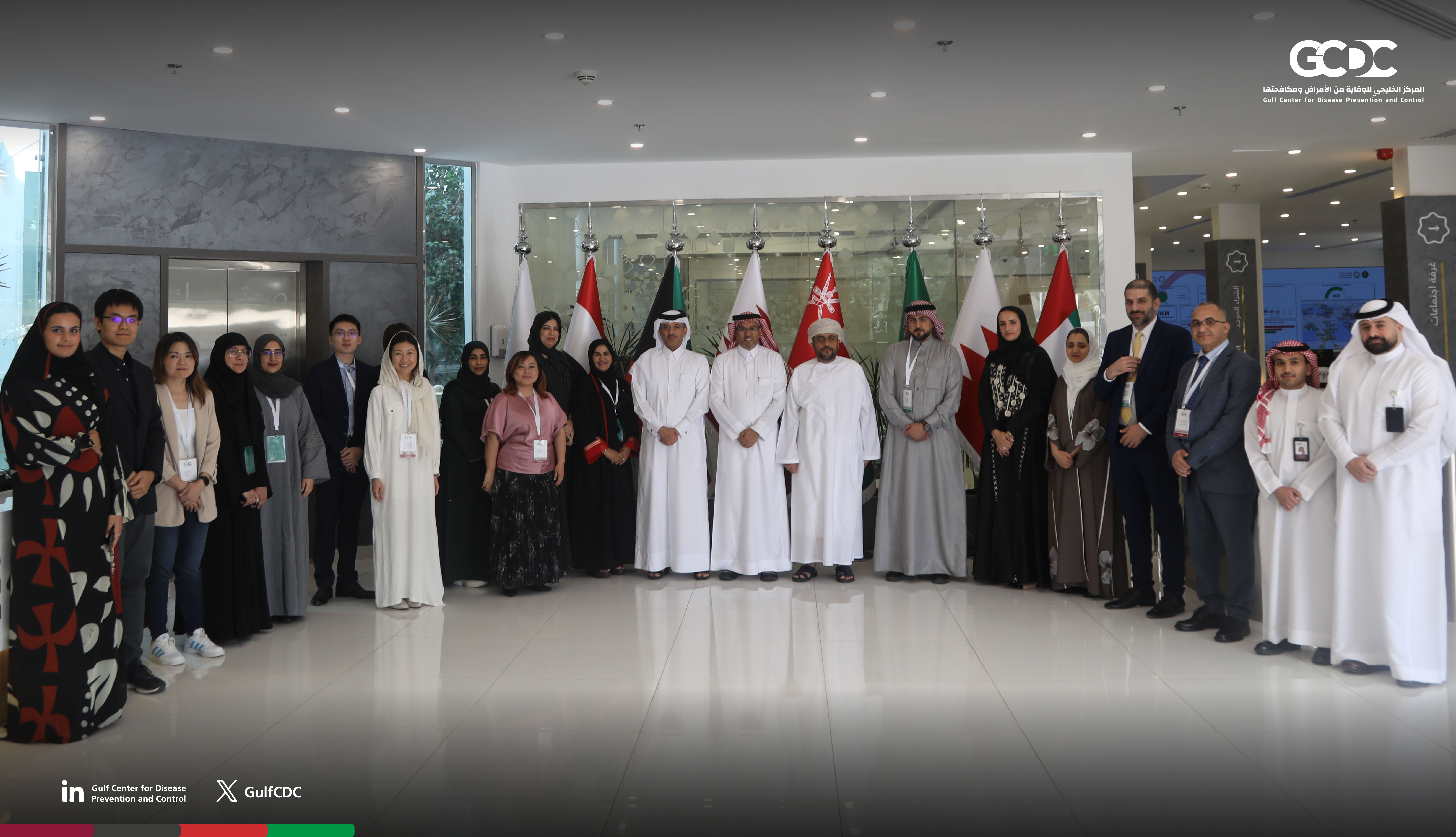
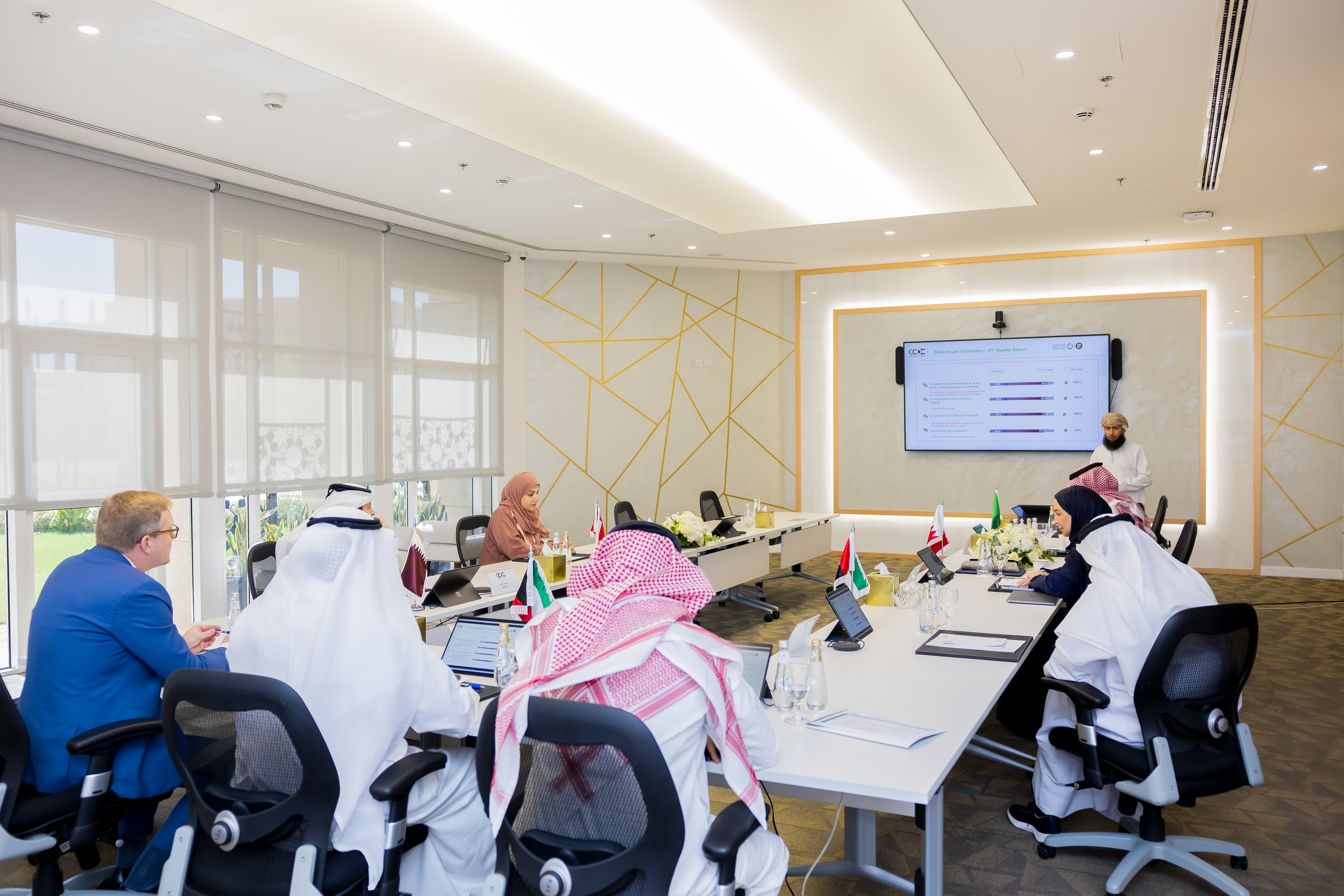
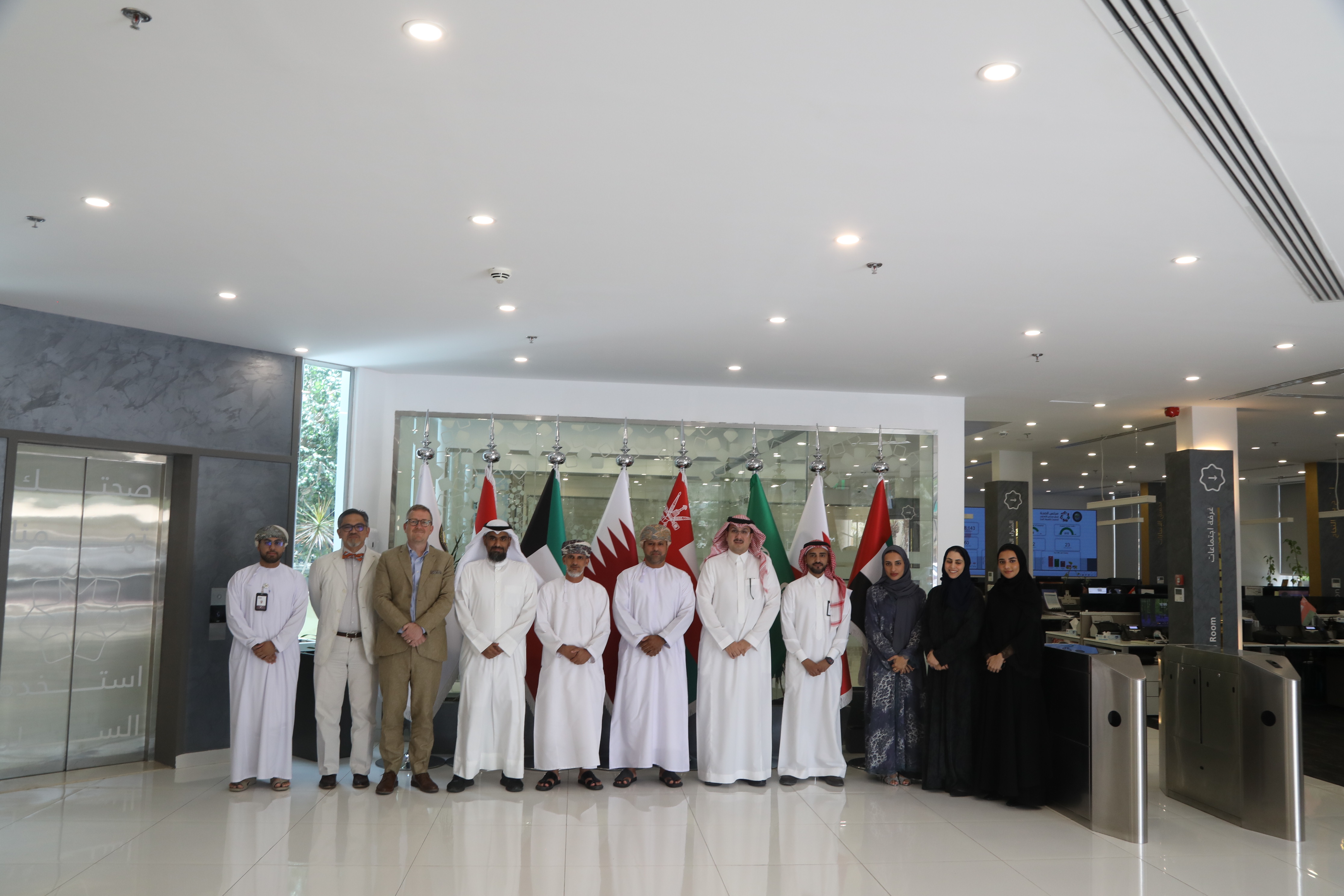
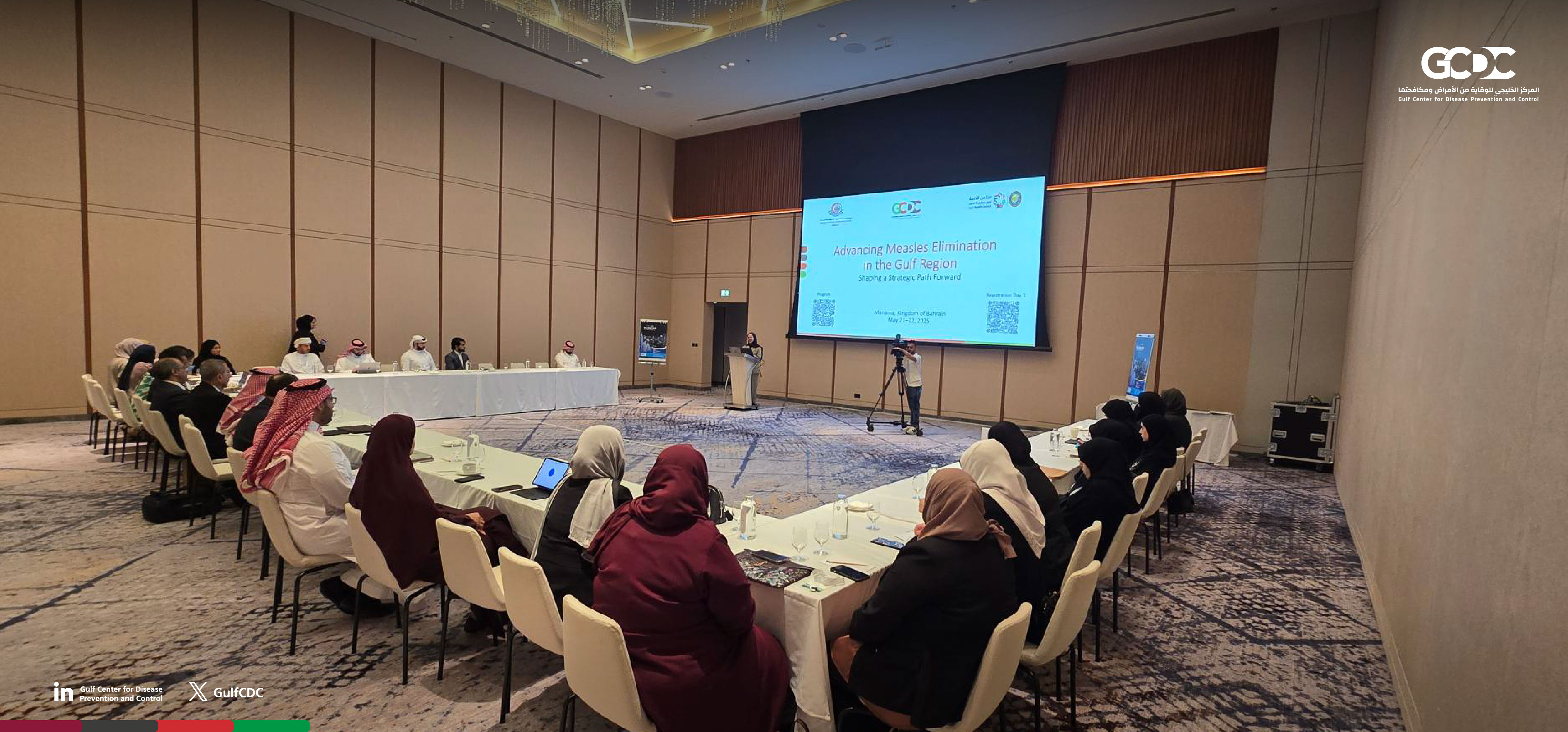
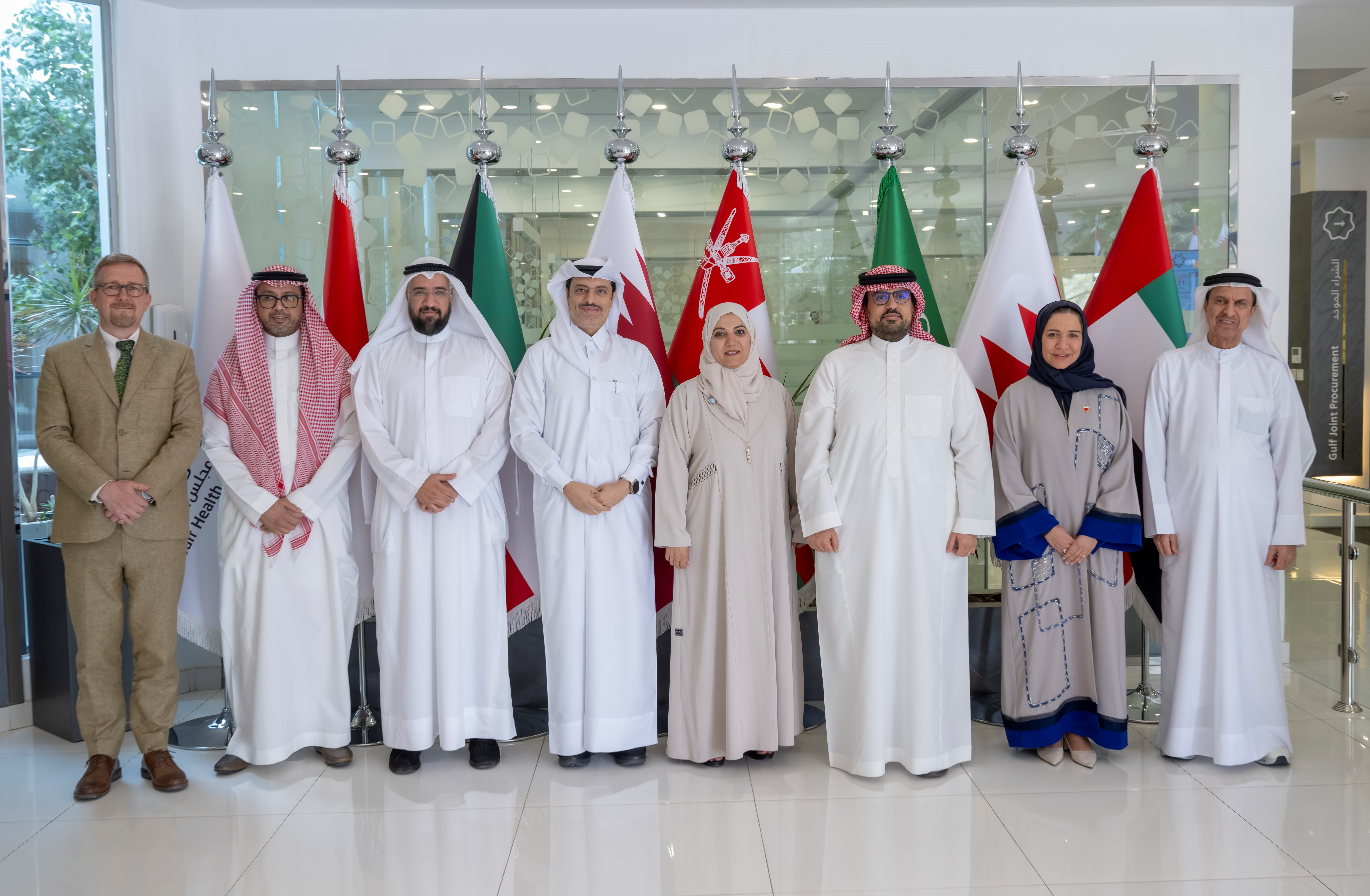
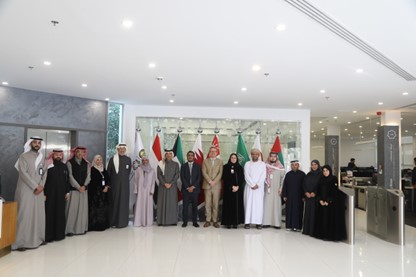
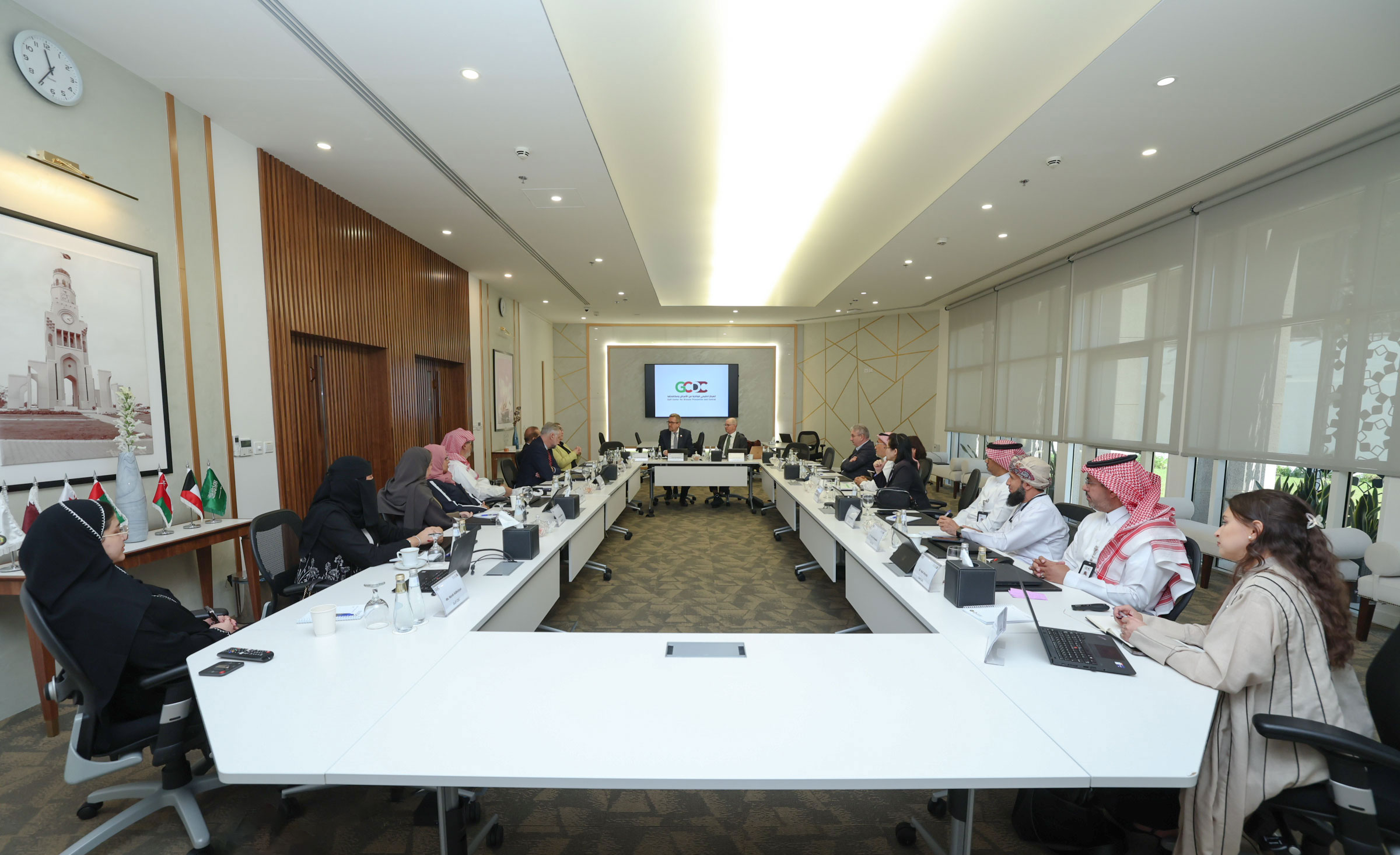
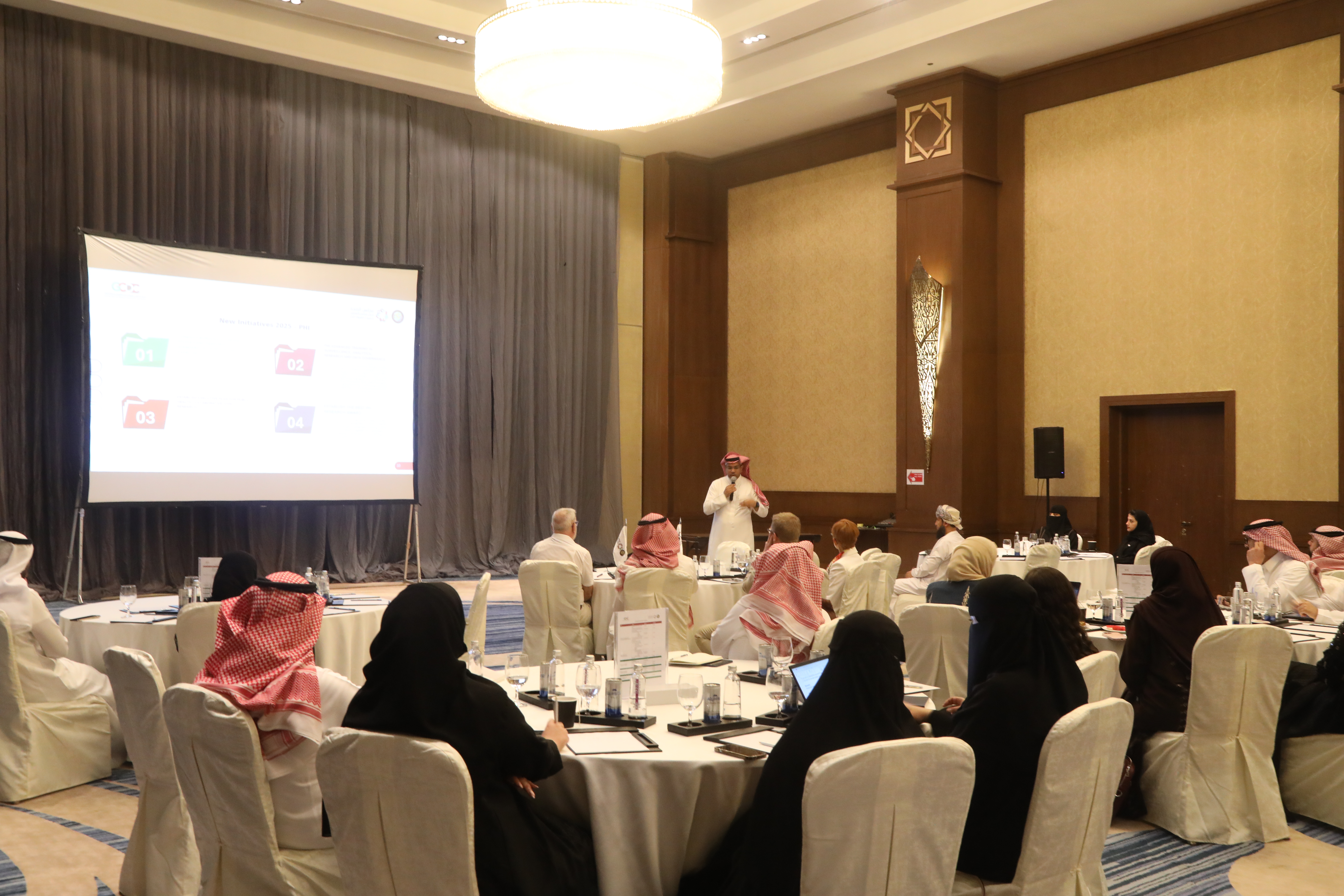
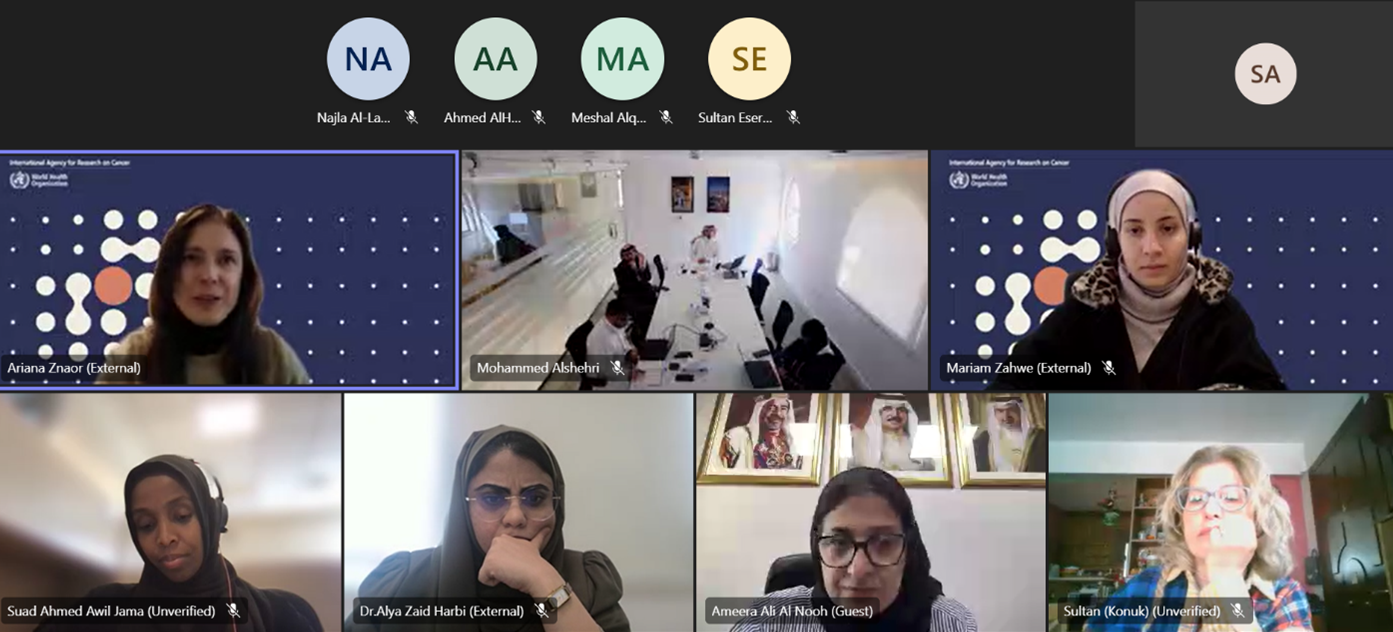
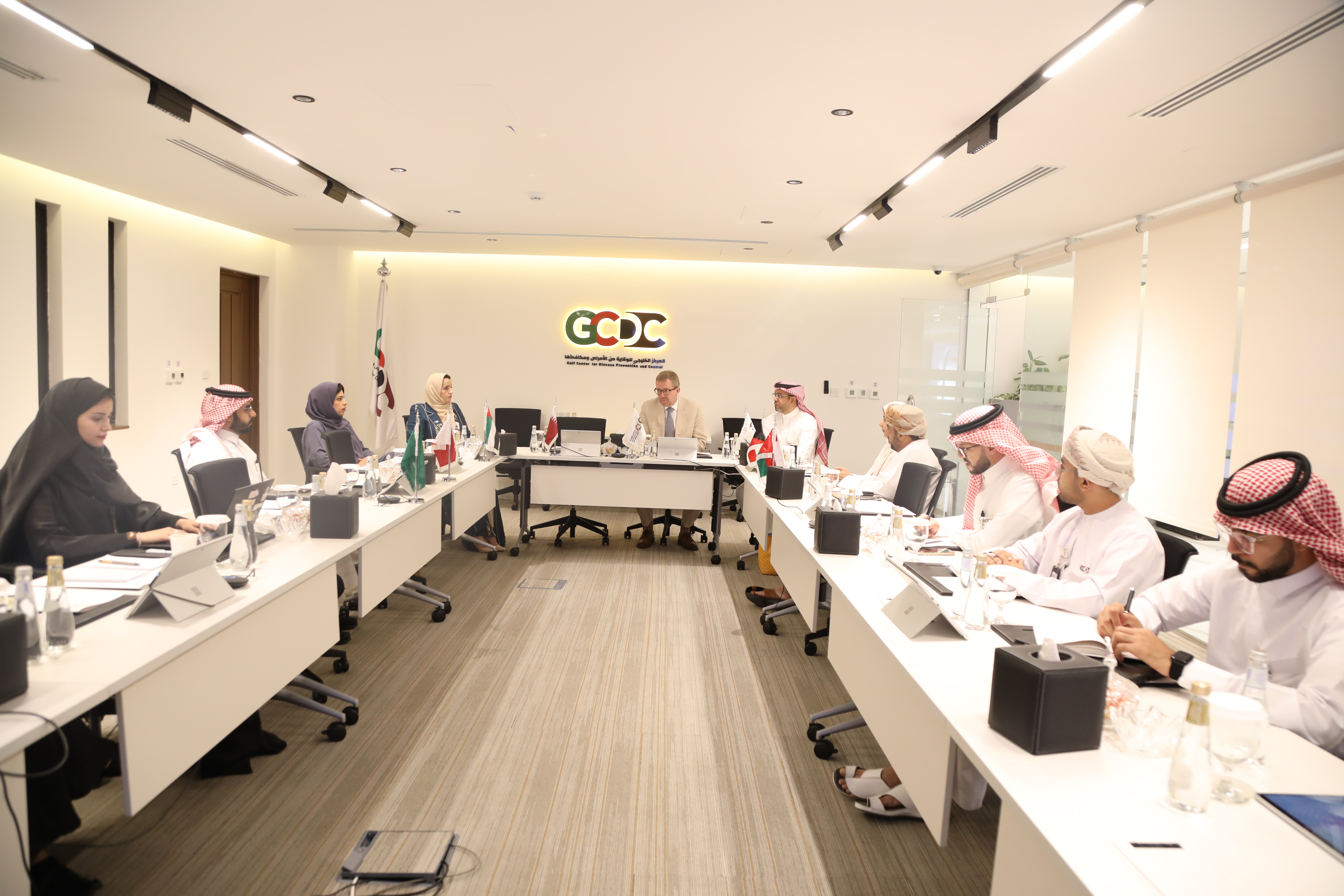
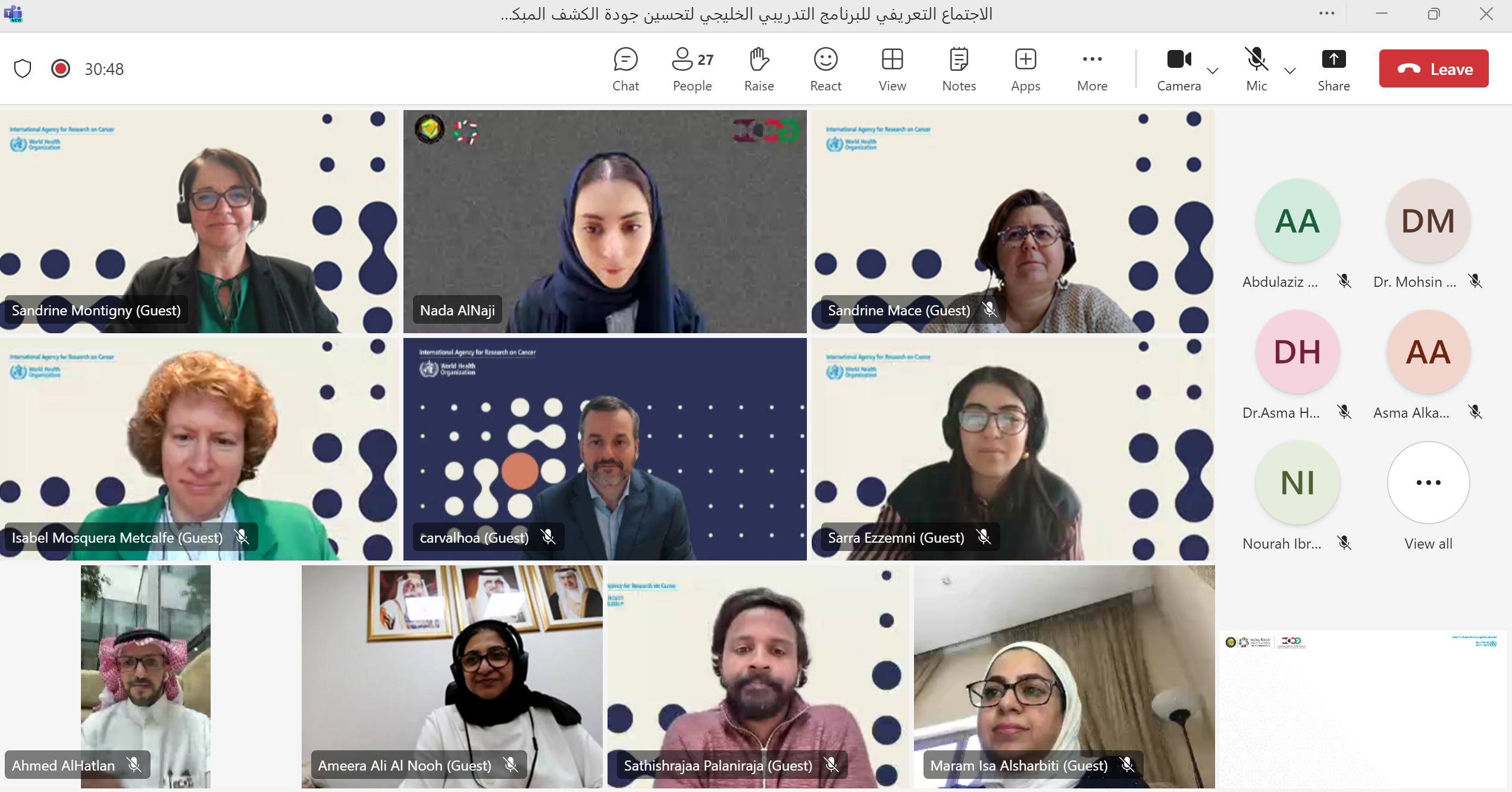
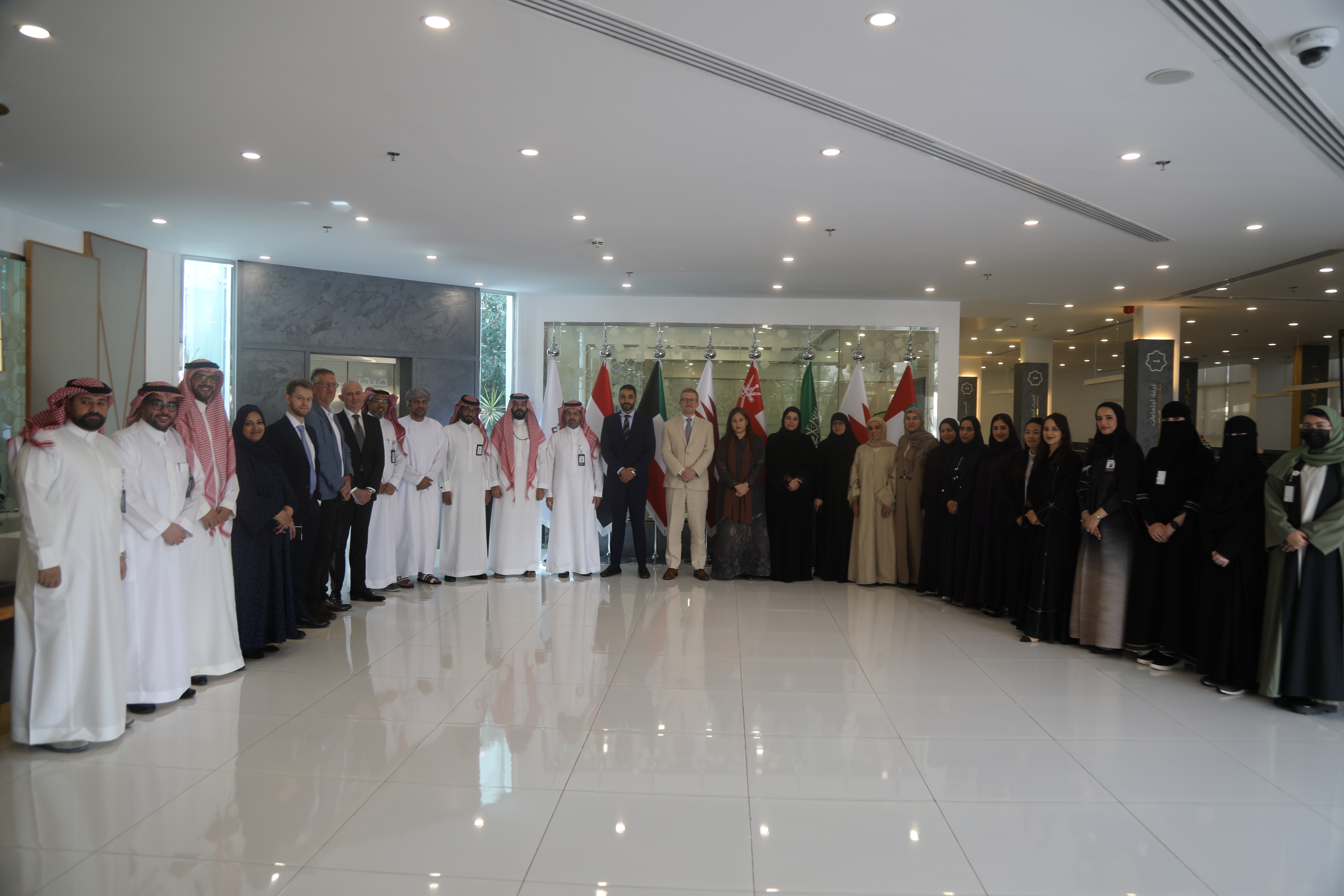
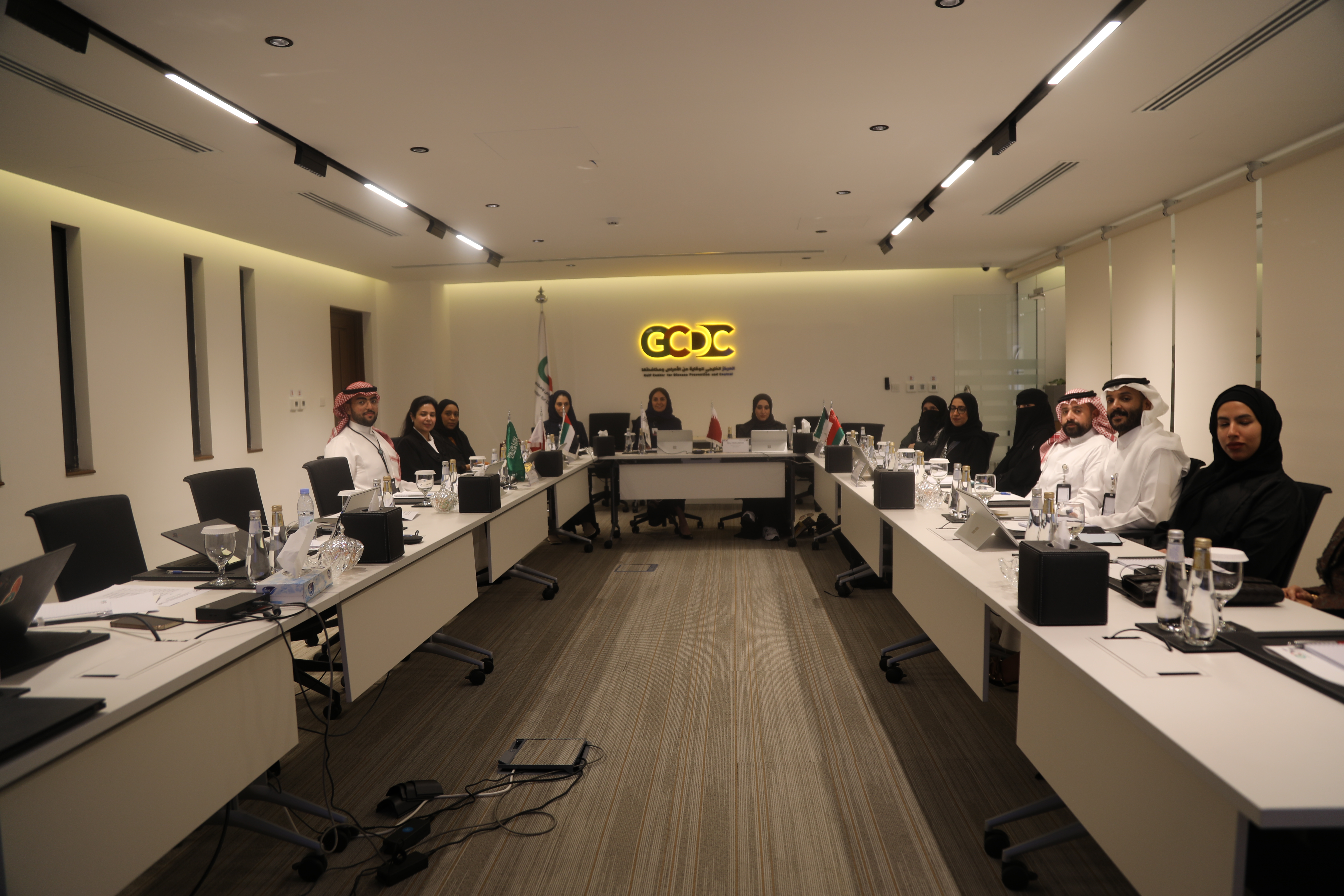
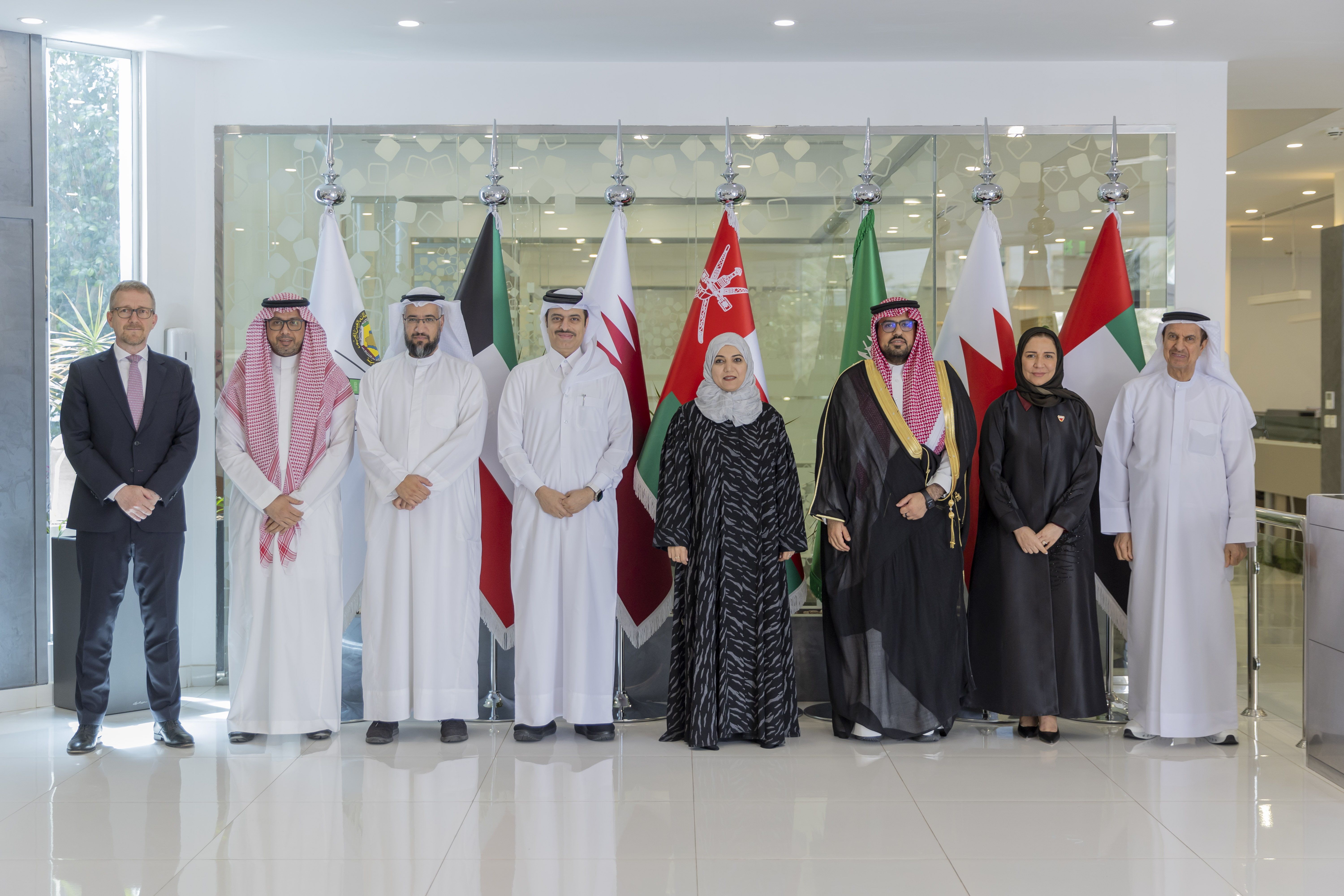
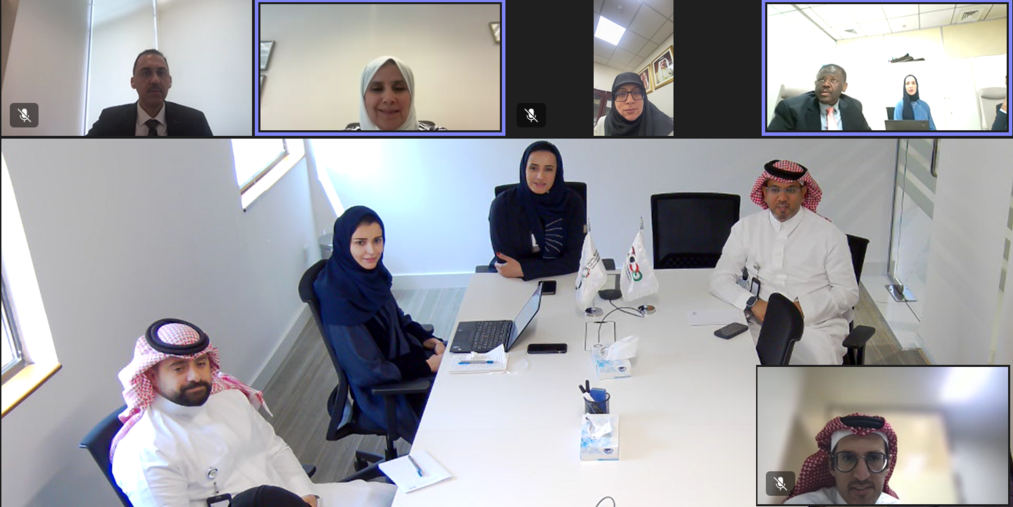
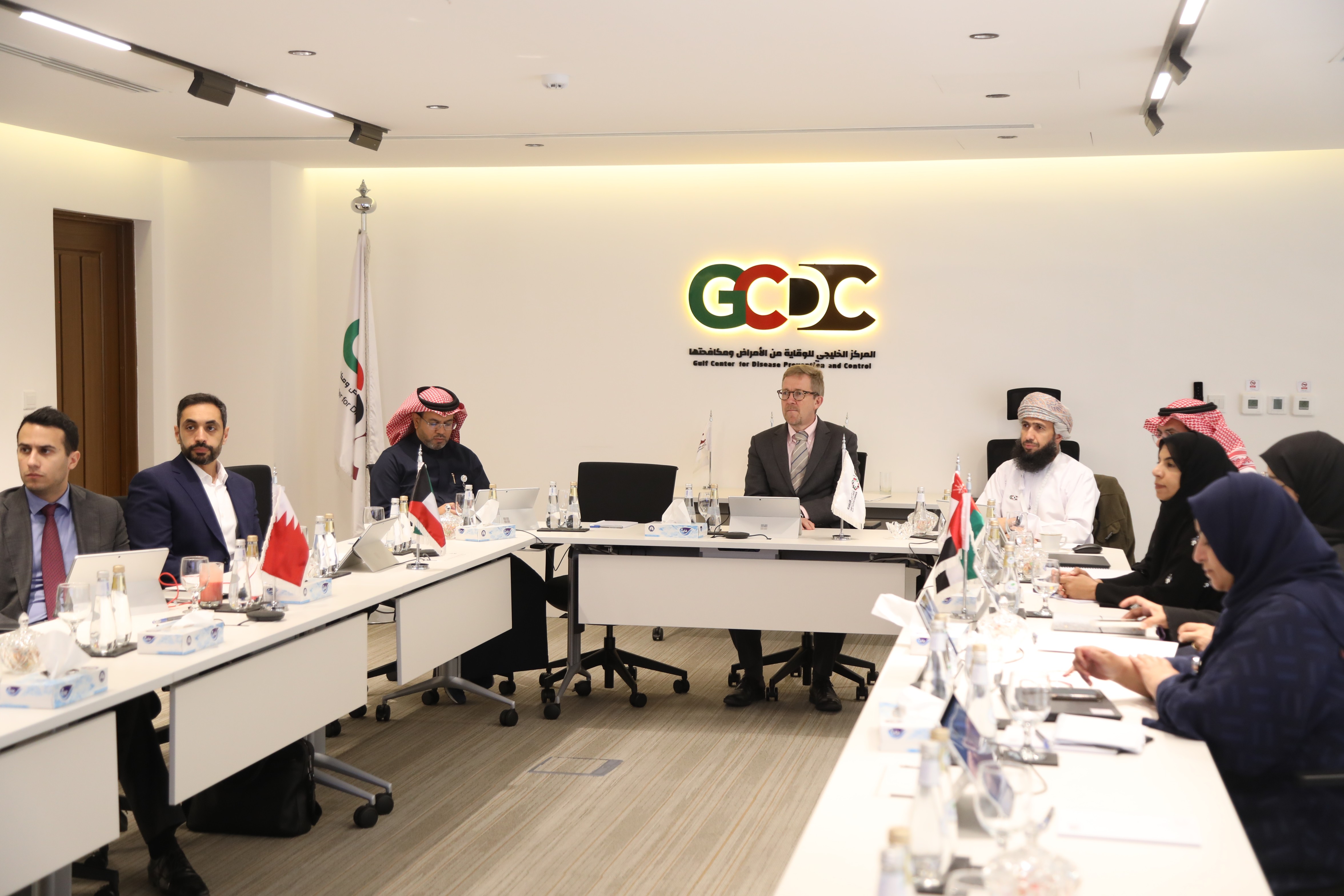
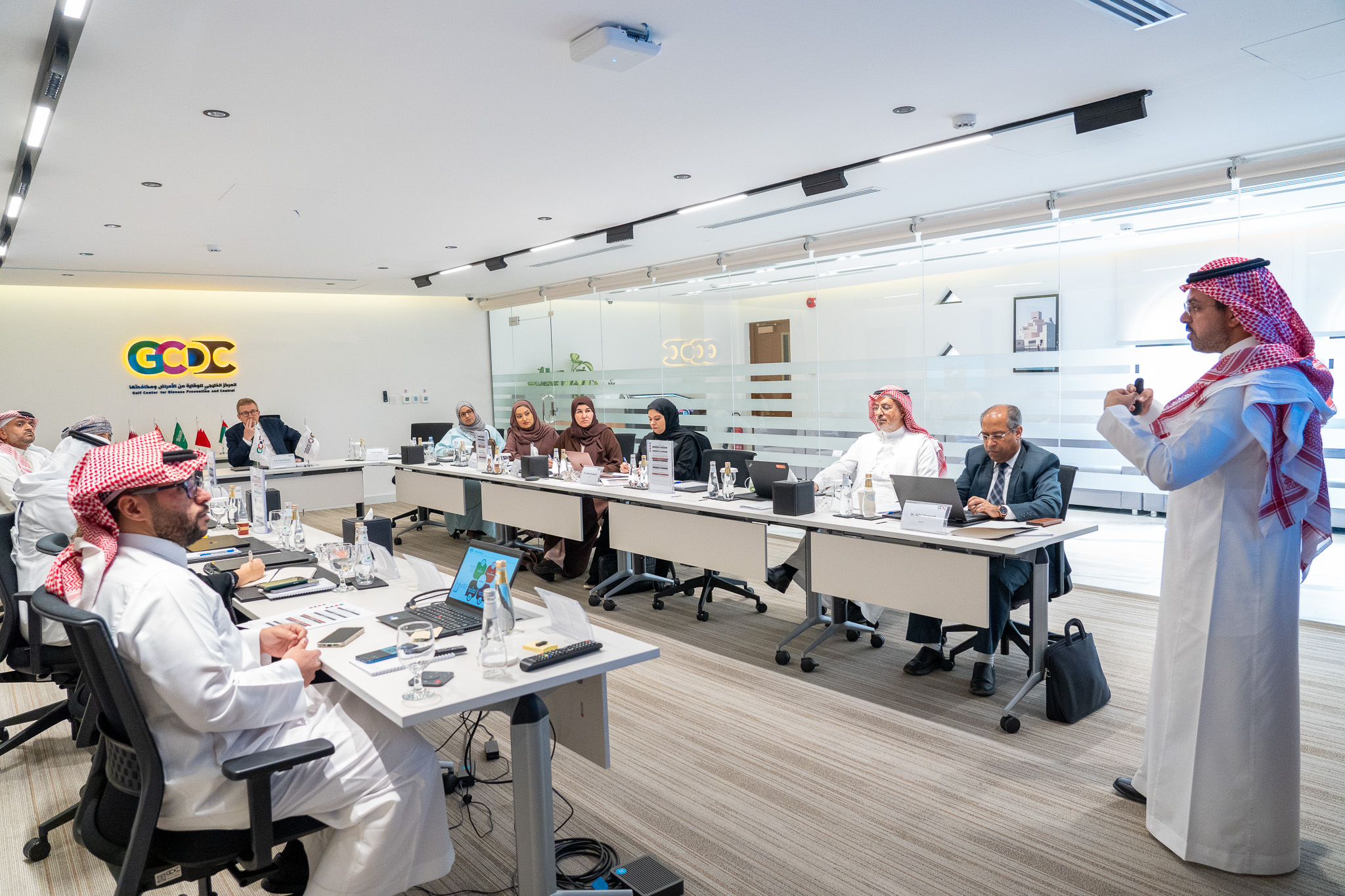
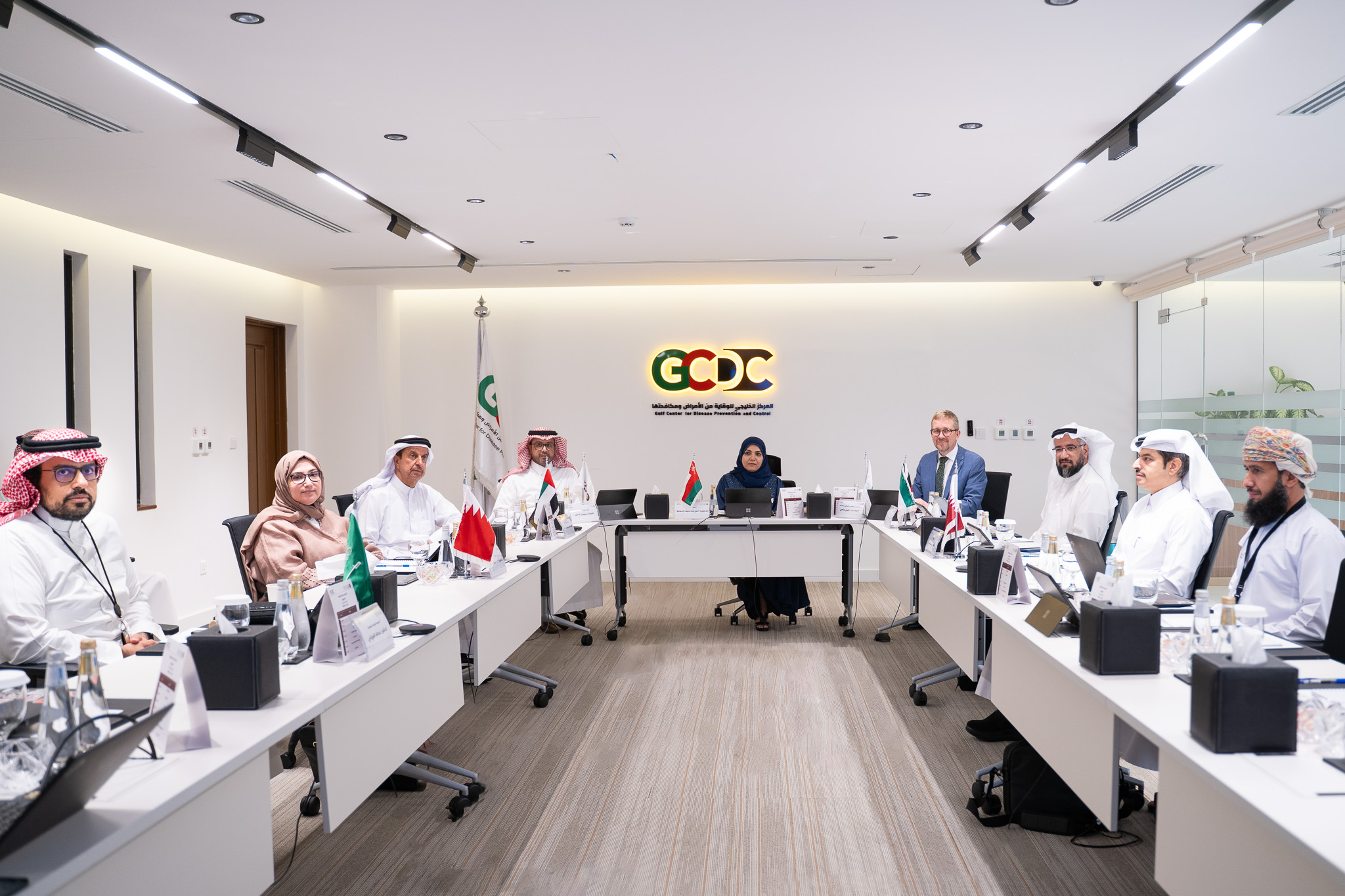
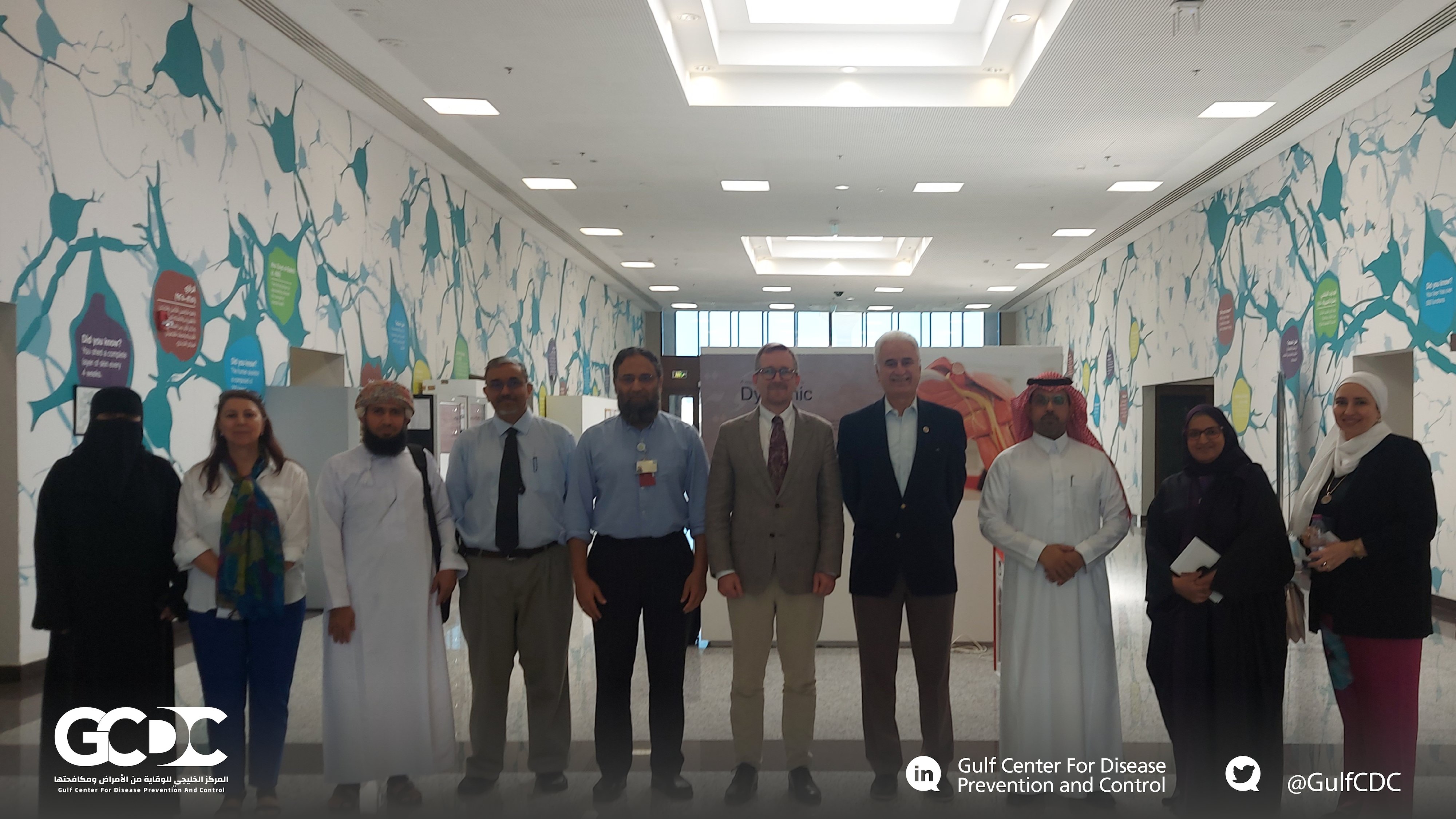
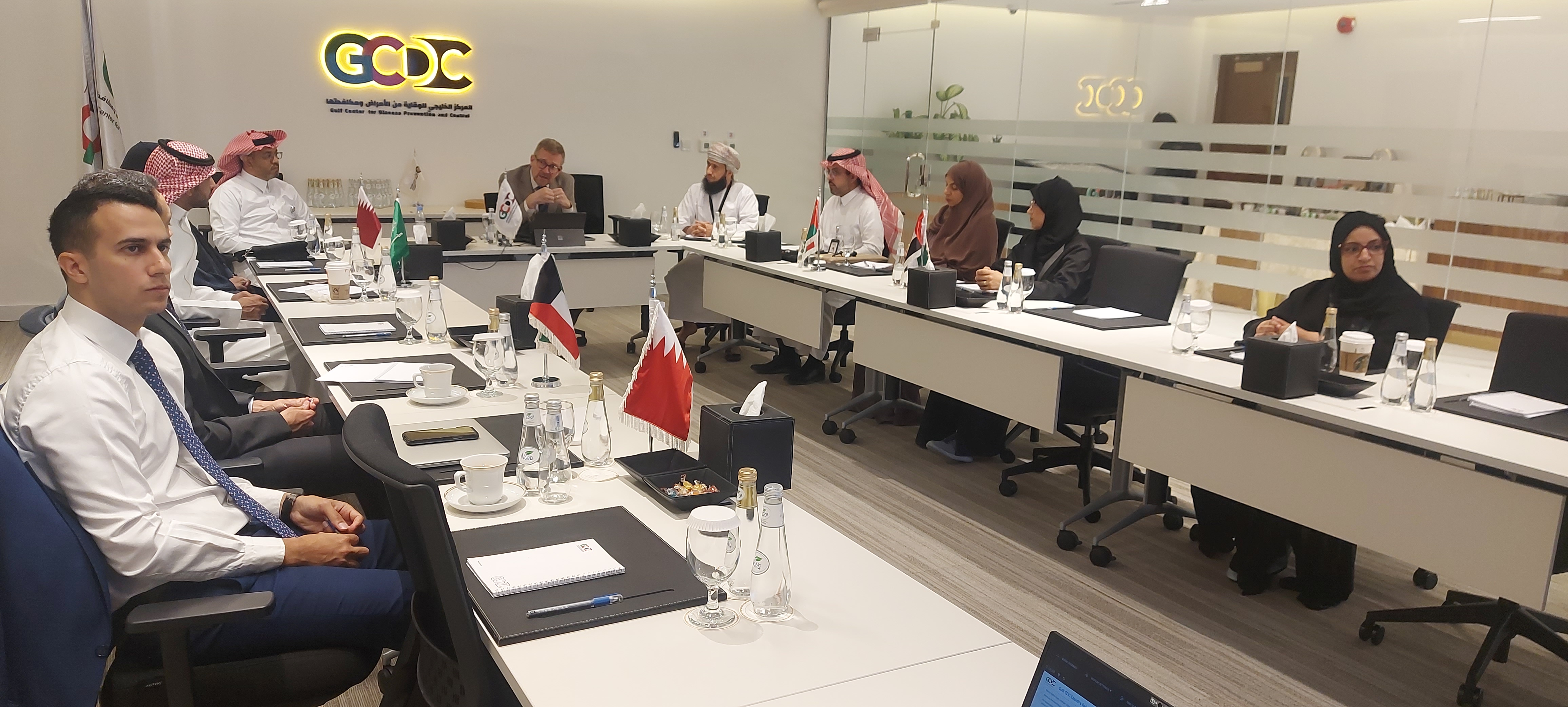
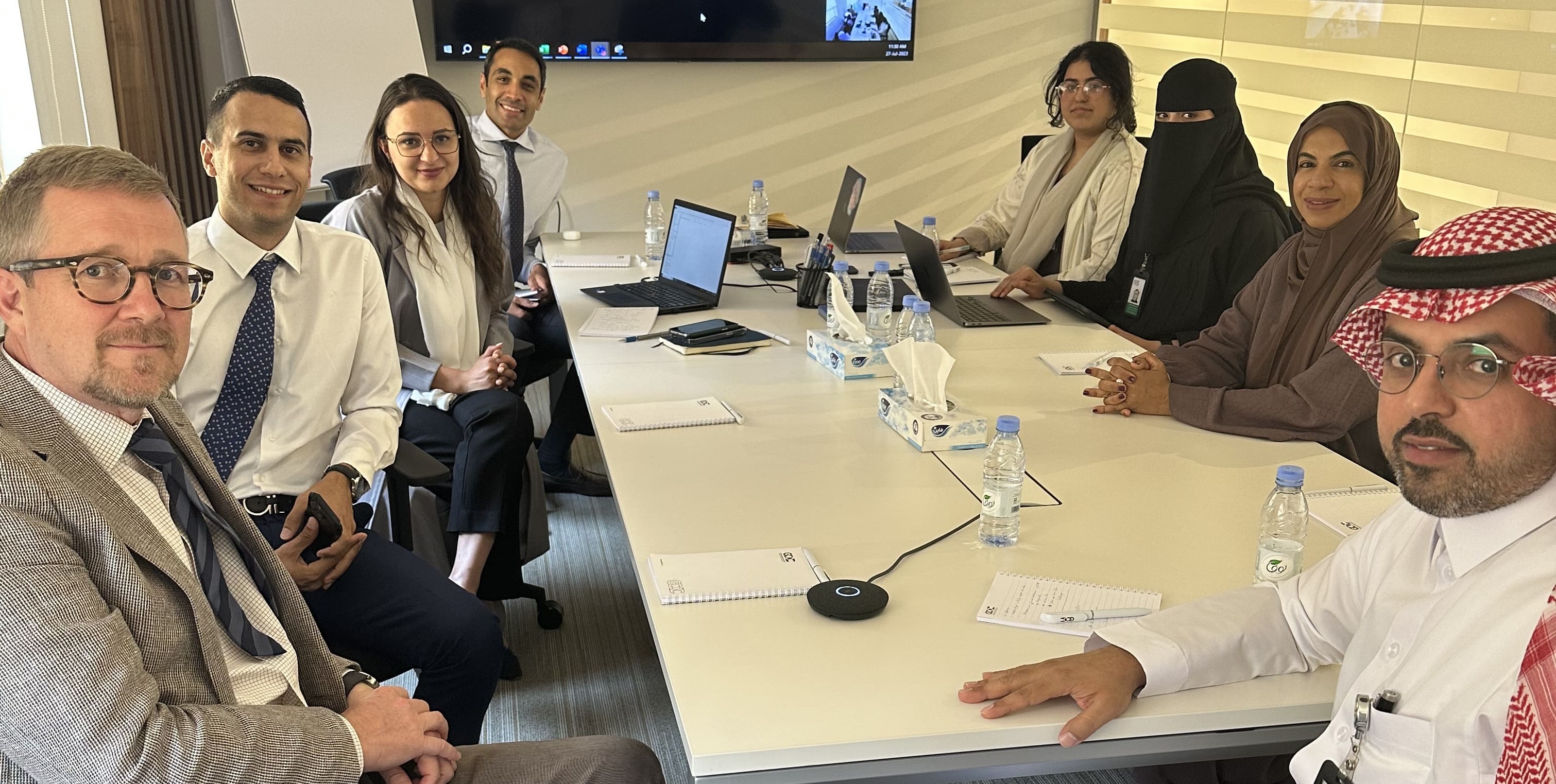
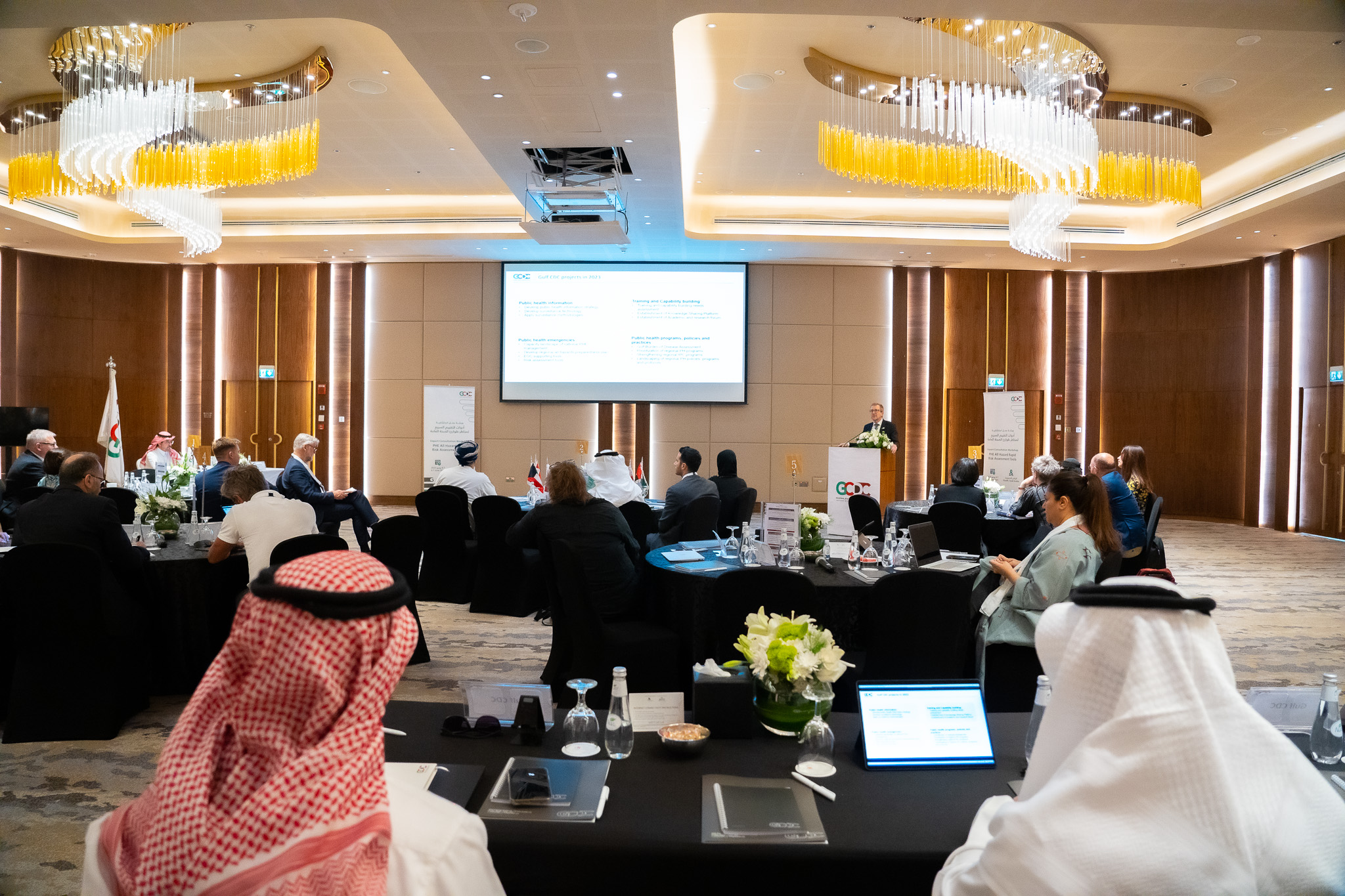
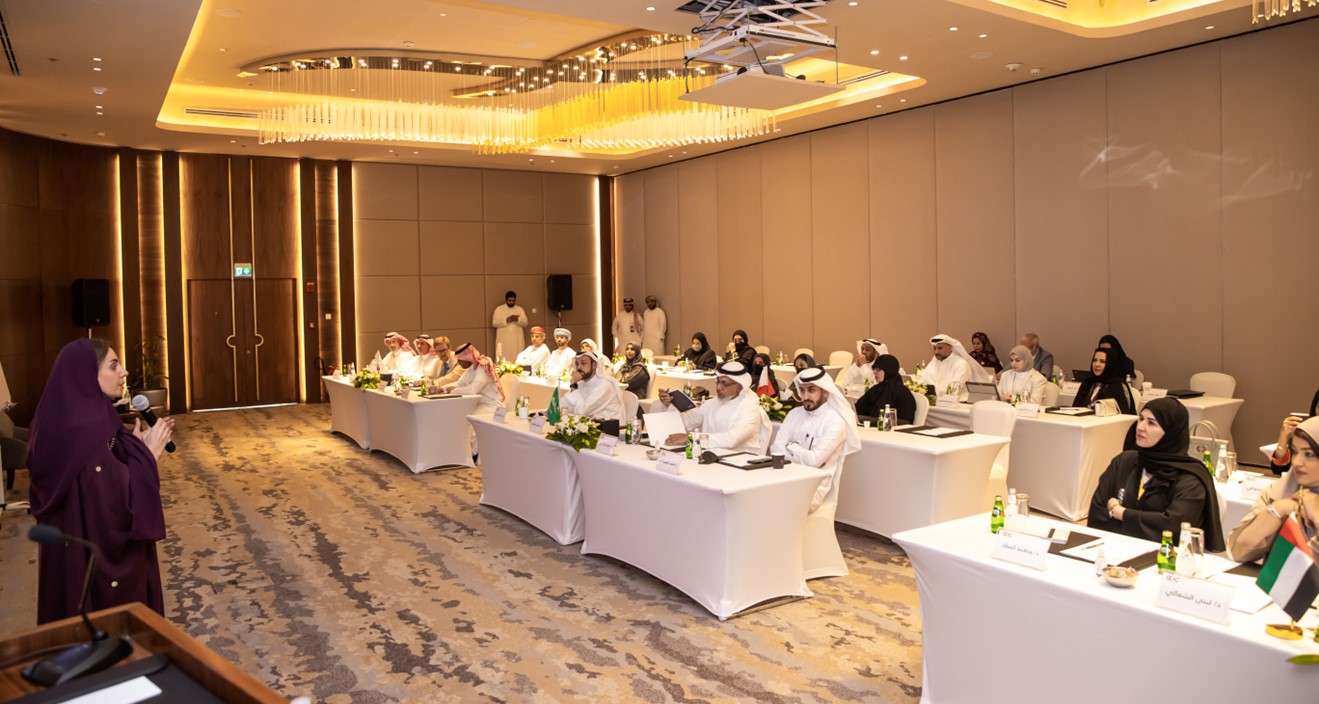
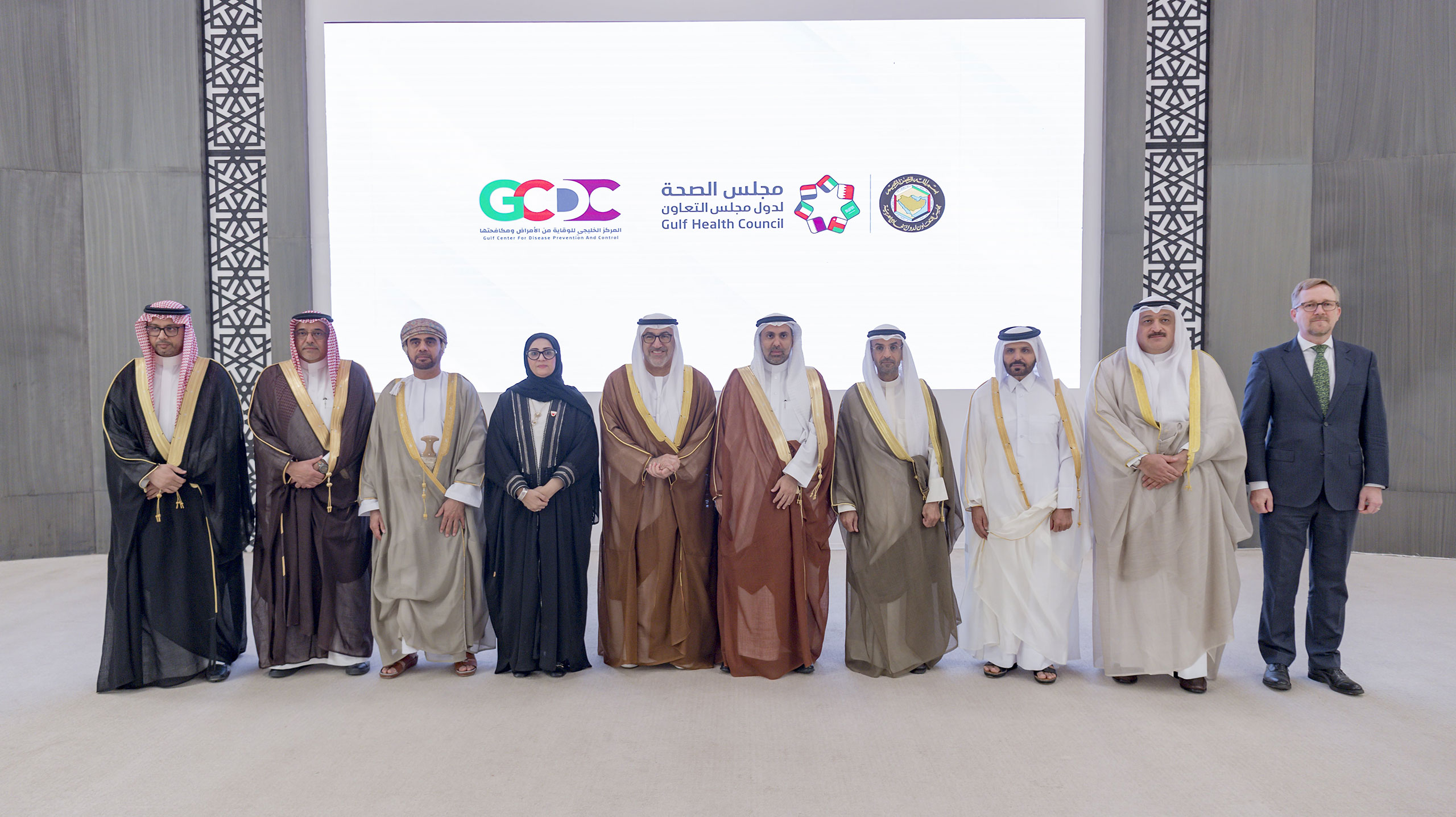
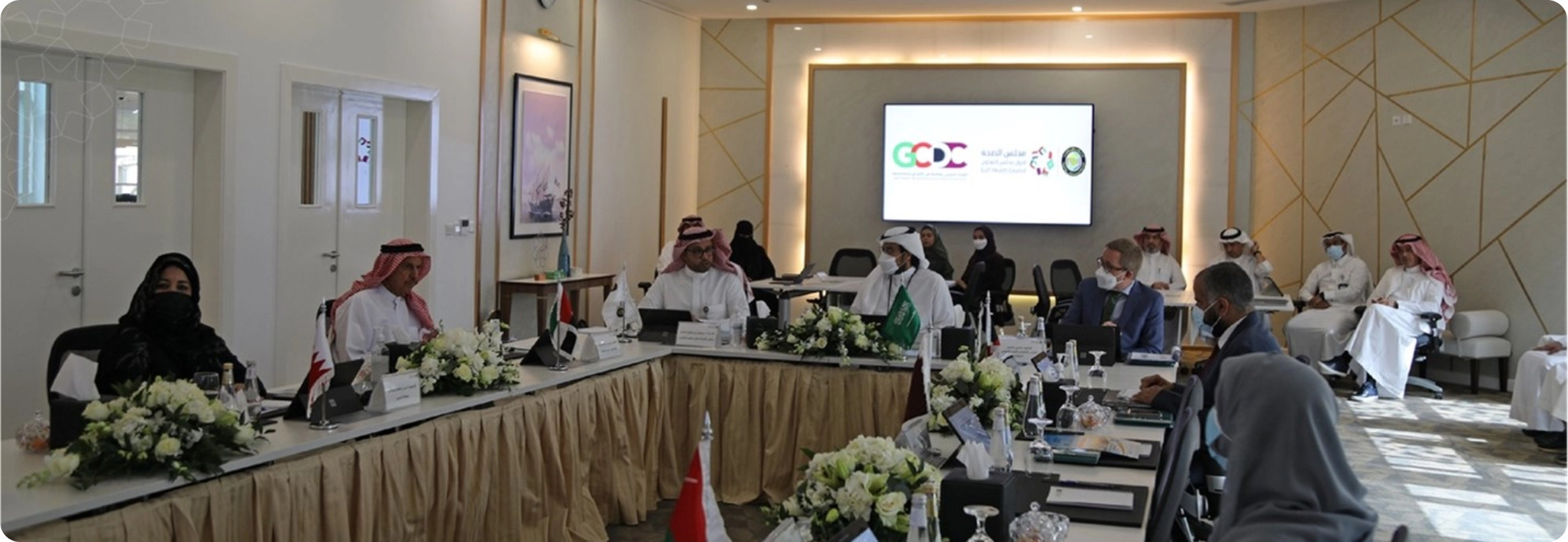
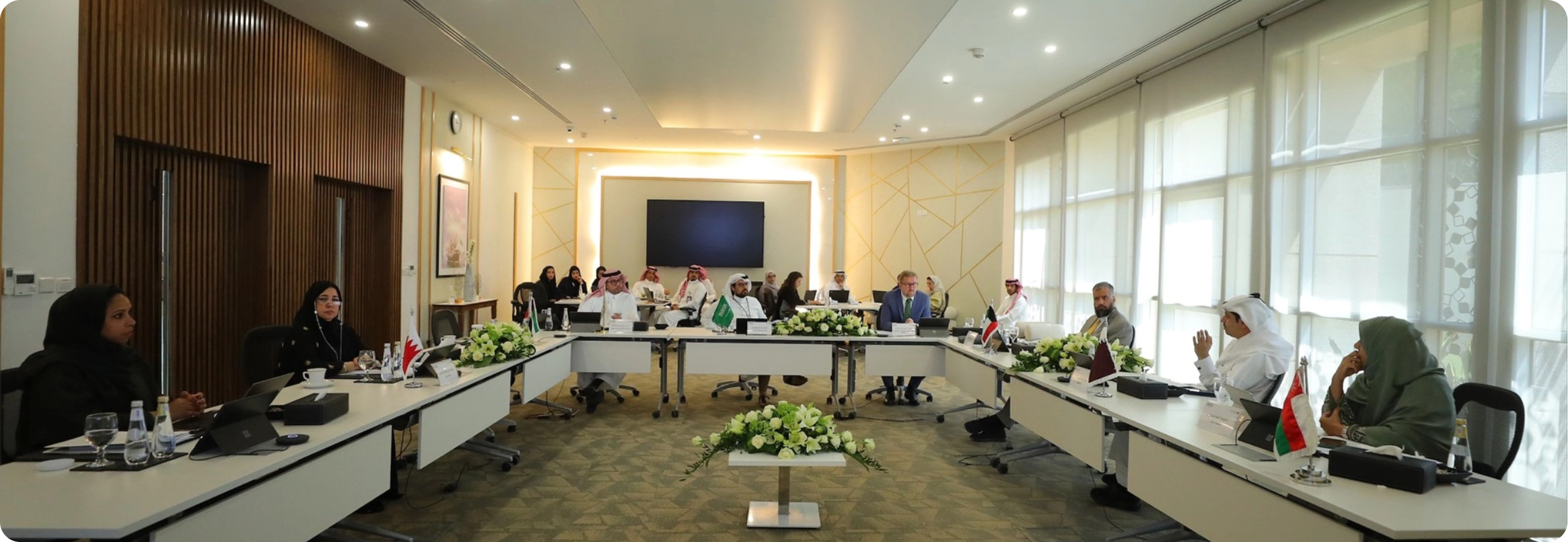
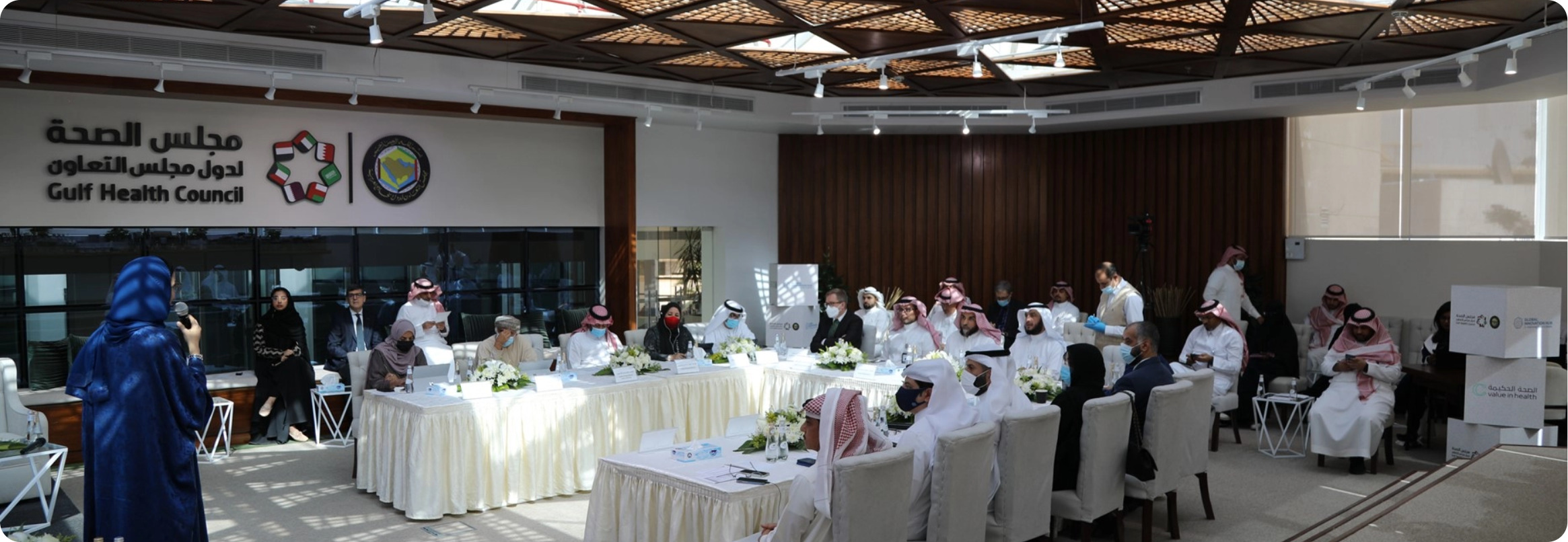
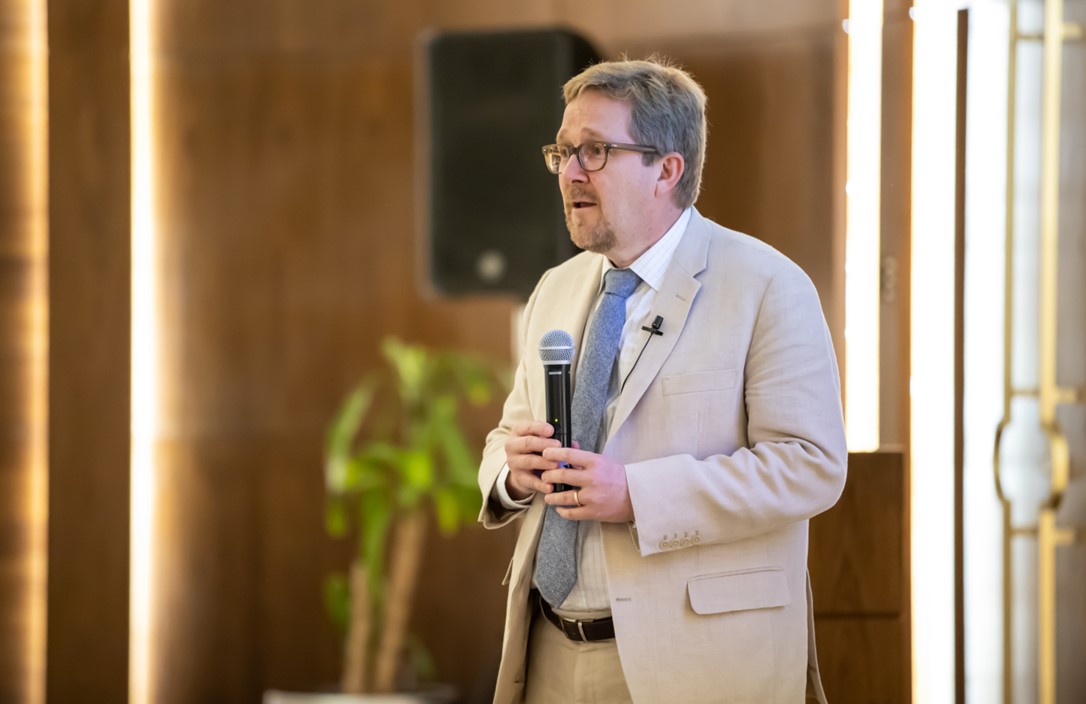
The Gulf Center for Disease Prevention and Control (Gulf CDC), in collaboration with the WHO Regional Office for the Eastern Mediterranean and with the participation of health representatives from GCC Member States, organized the Third Gulf Public Health Emergency Exercise 2026 on 19–20 October 2026 in Riyadh, Kingdom of Saudi Arabia. The exercise aimed to strengthen preparedness for health emergencies and test regional coordination and response mechanisms.
The exercise translated Gulf health cooperation into practical applications that support joint action by testing response procedures, information-sharing mechanisms, and coordination of roles among health authorities. This contributed to strengthening their capabilities and enhancing the efficiency of emergency response based on a shared understanding of risks and response requirements.
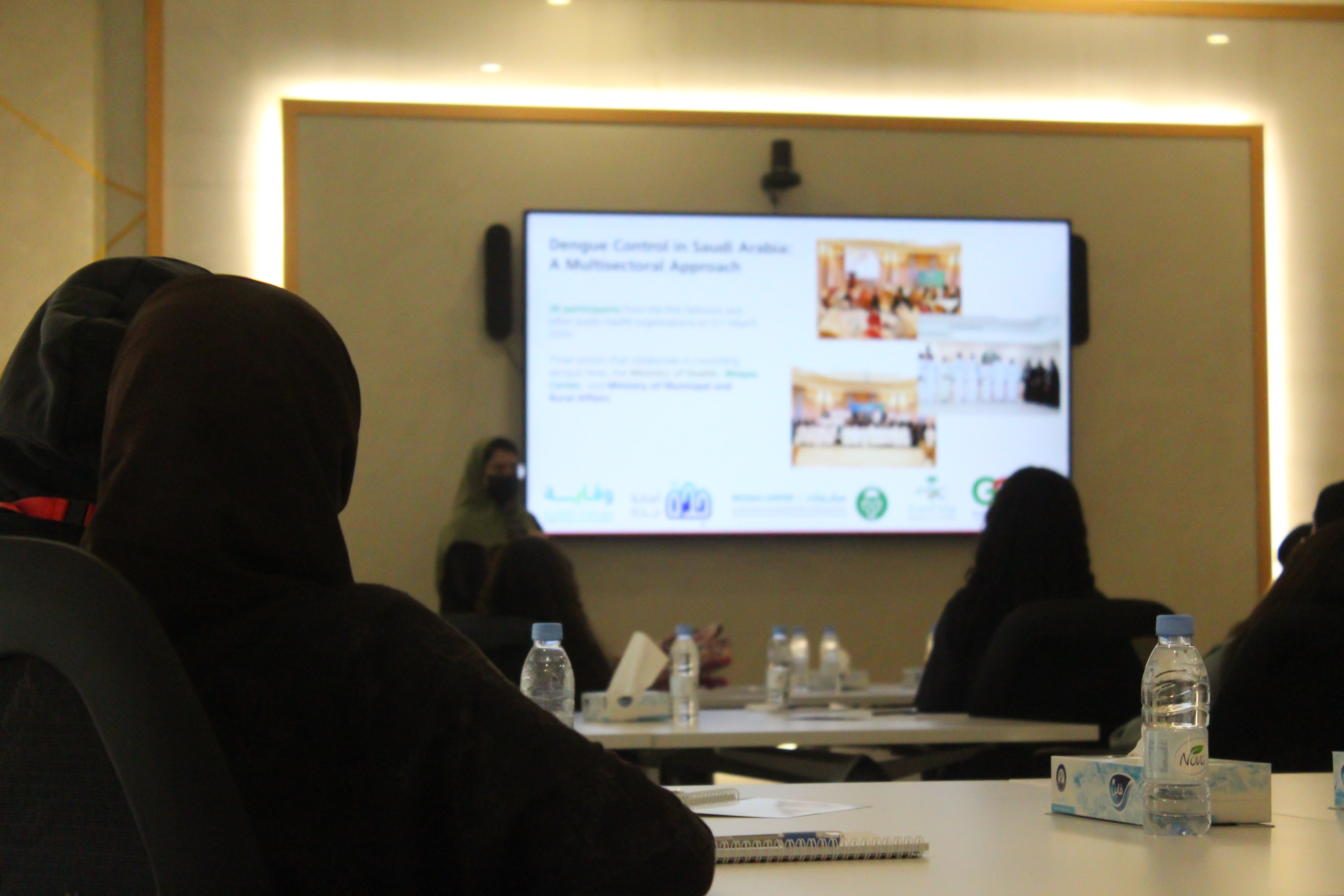
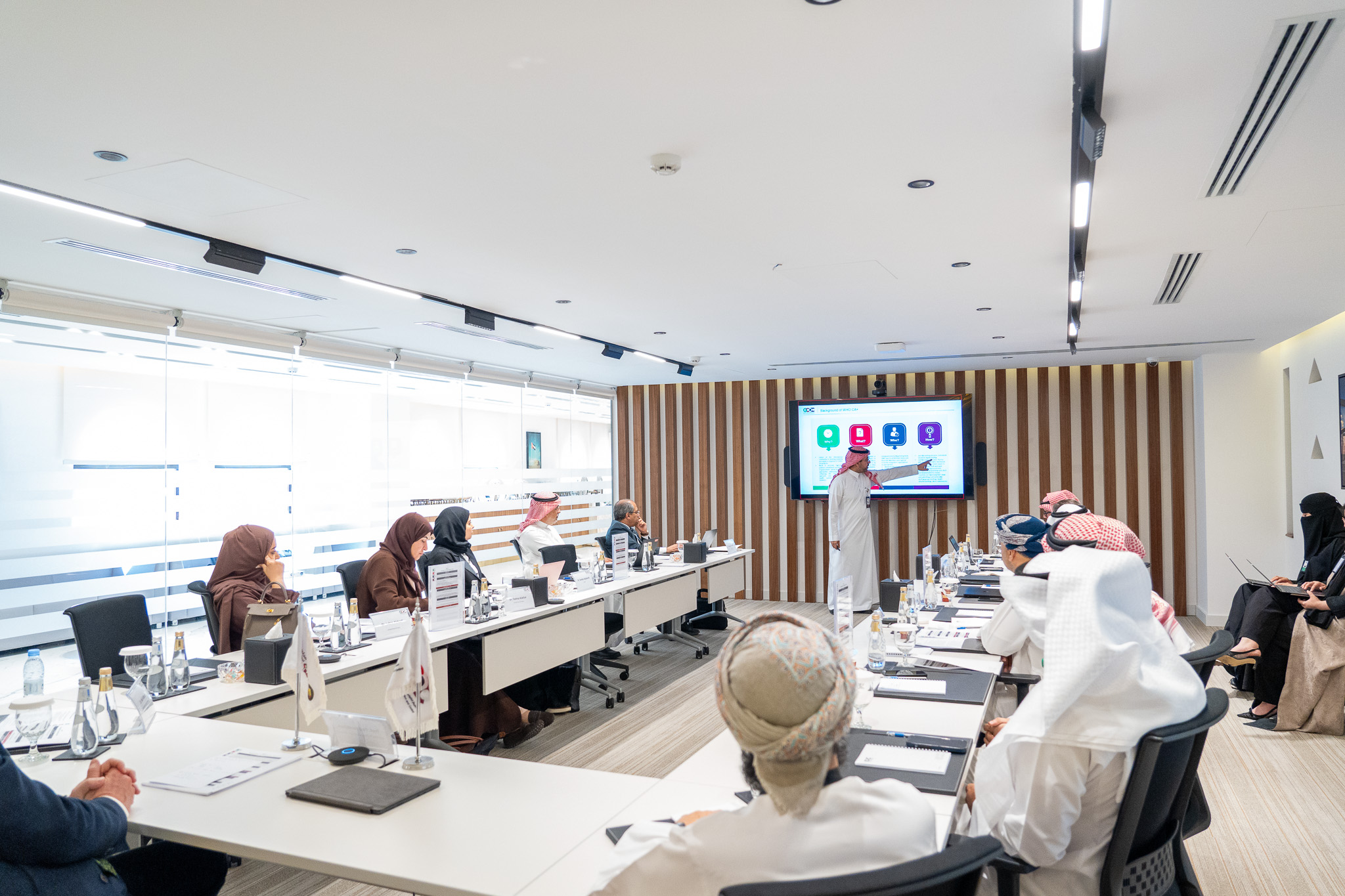
The exercise included an introduction to the second edition of the GCC Public Health Emergency Response Framework, as well as interactive simulation scenarios and role-playing exercises. These activities enabled participants to apply procedures for detection, verification, and risk assessment, while practicing evidence-based decision-making and coordinated response.
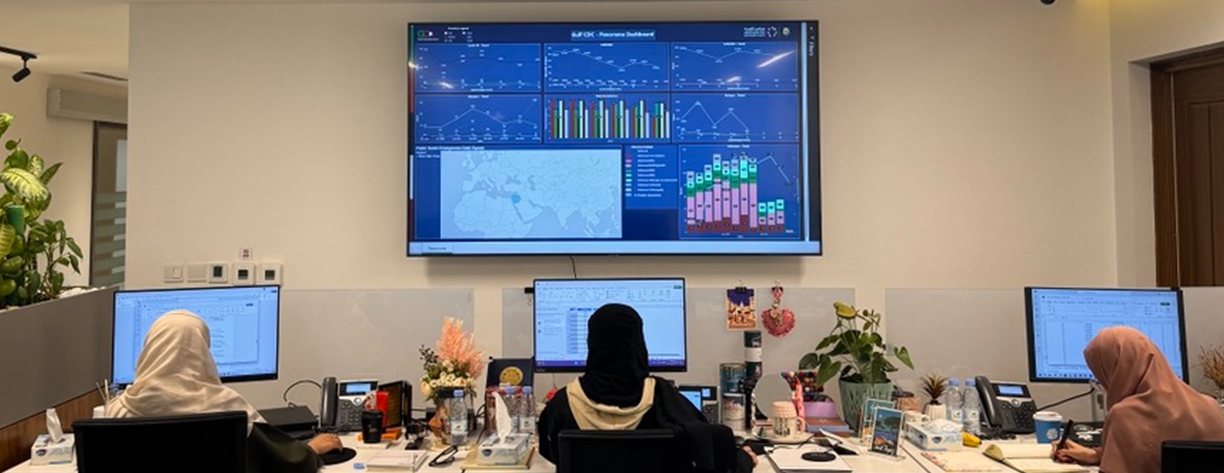
The exercise also focused on challenges arising from previous health emergencies, regional risk assessment, and information sharing, in addition to testing mechanisms for escalating response levels and activating support and coordination with partners. These areas highlighted the importance of collecting and analyzing health data and transforming it into reliable, actionable knowledge that supports risk assessment and guides timely response.
The exercise concluded with an after-action review and a comprehensive performance assessment incorporating observers’ feedback, participants’ perspectives, and lessons learned. The review aimed to identify opportunities for improvement and further develop preparedness and response mechanisms. It also represents an important step toward supporting continuous learning and capacity building by translating acquired experience into improved procedures and more efficient health systems through regular exercises that strengthen preparedness and joint Gulf action.
The exercise reflects the importance of Gulf health integration and technical partnerships with international organizations in building regional preparedness based on reliable knowledge, the exchange of expertise, and coordinated efforts. This supports the prevention of health risks and mitigation of their impact, while contributing to the protection of human health and the sustainability of health and well-being across Gulf communities.