

Gulf CDC Participates in Global Forum in Seoul to Strengthen Health Emergency Preparedness
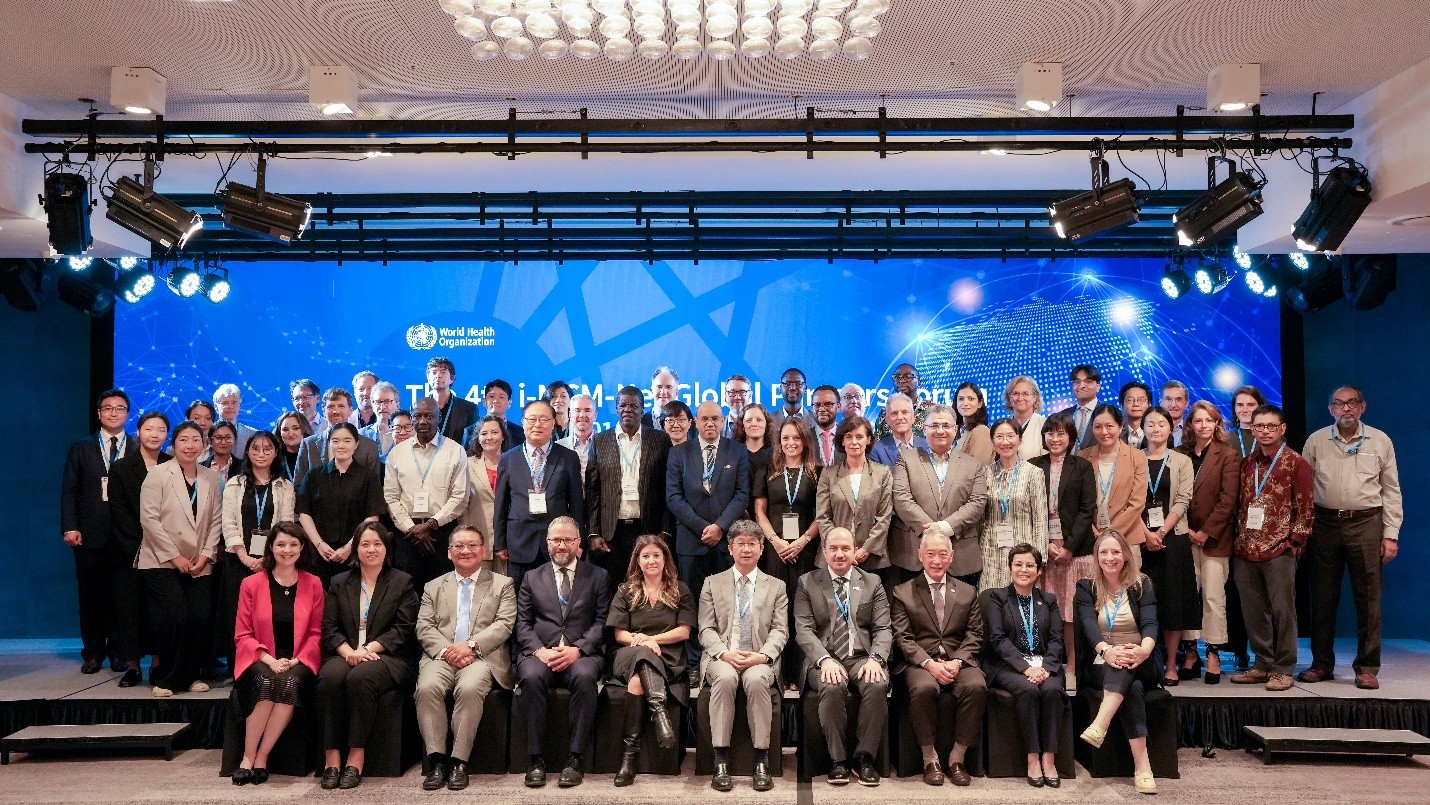
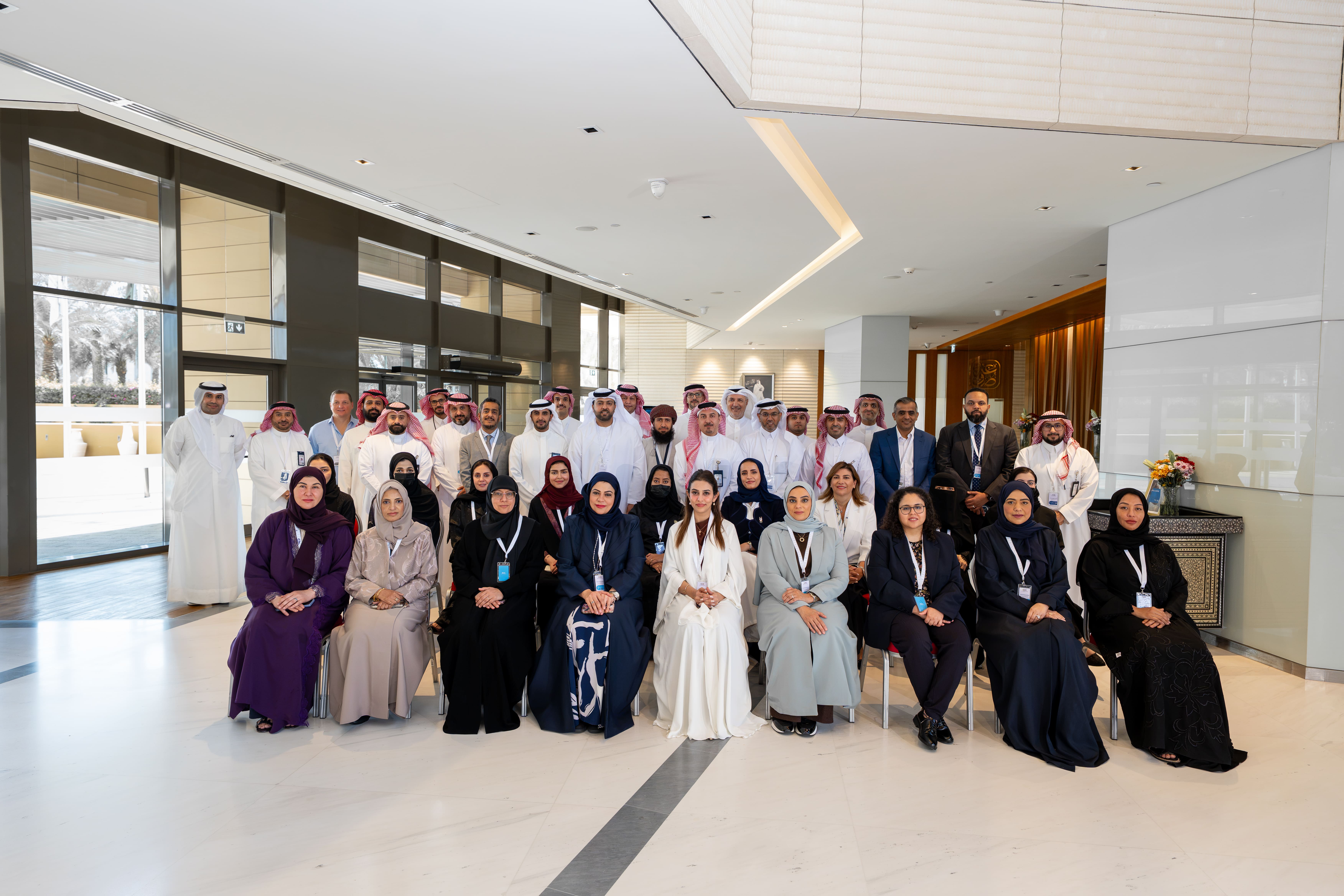
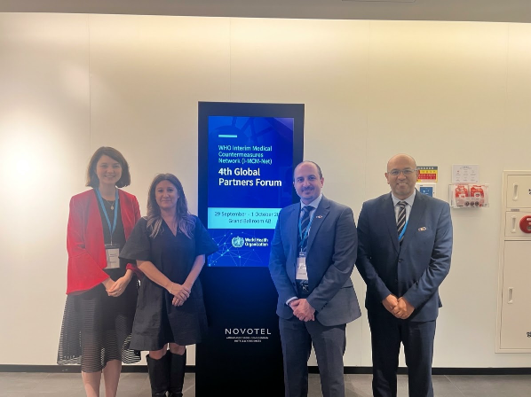
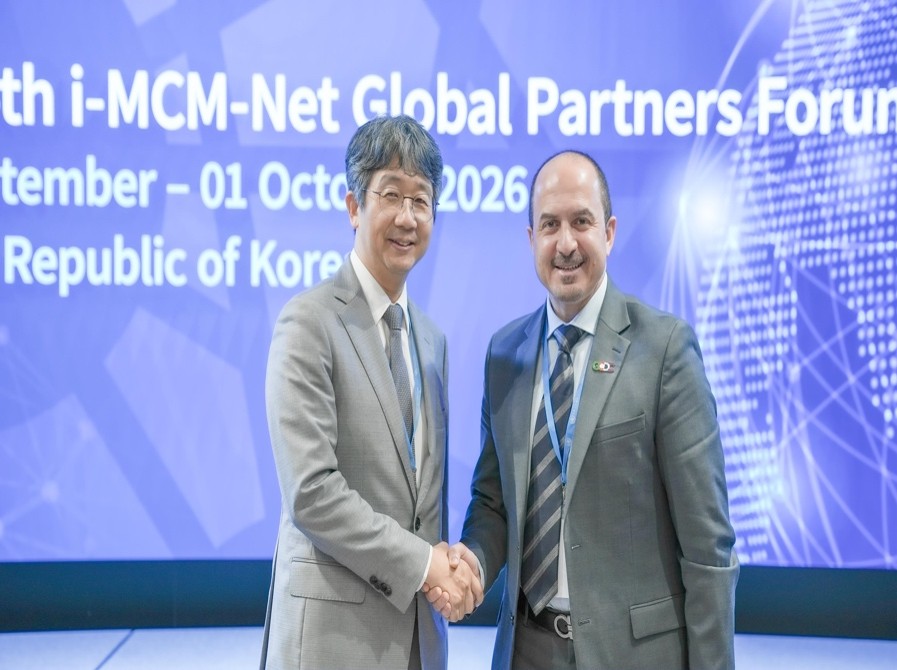
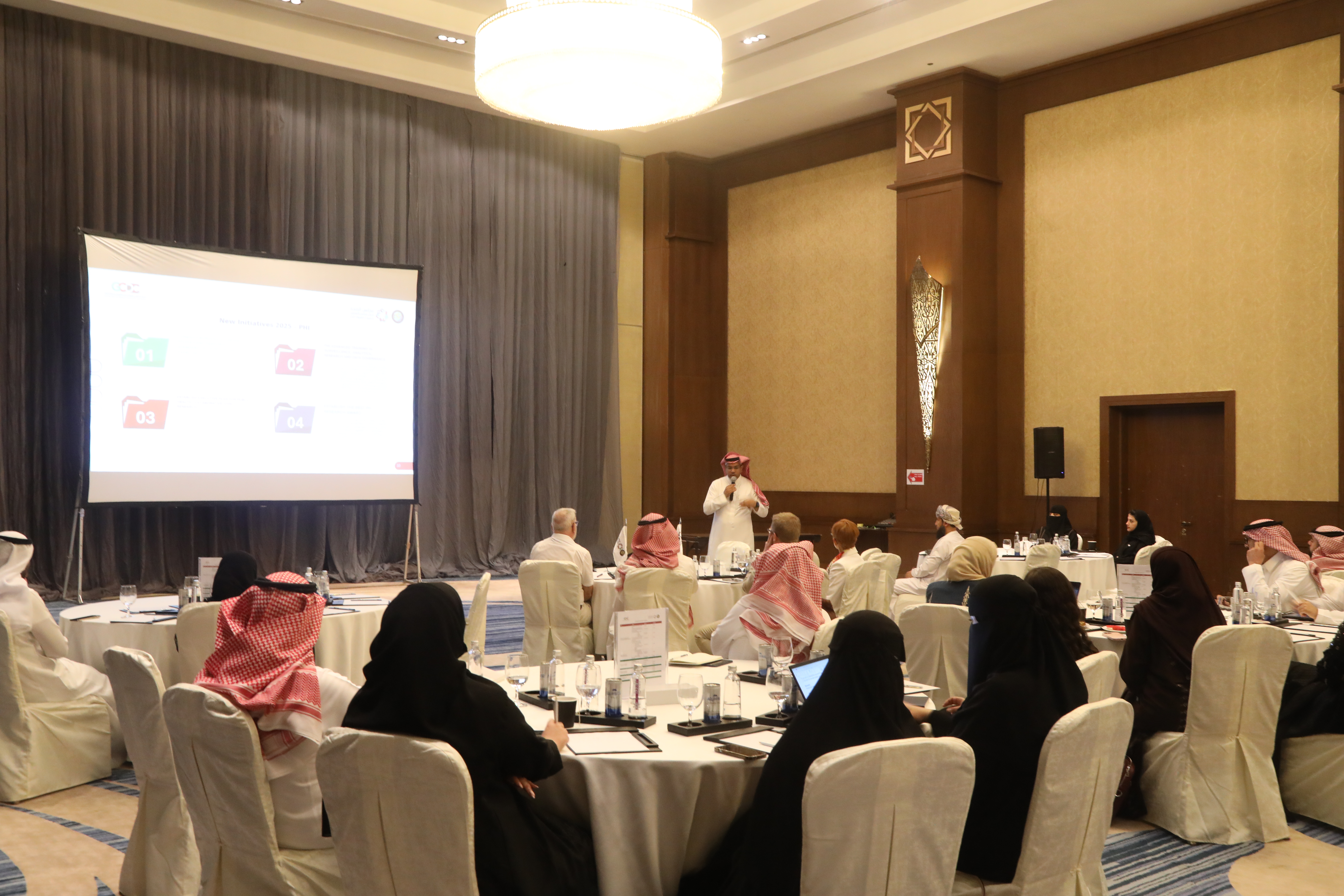
The Gulf Center for Disease Prevention and Control (Gulf CDC) participated in the Fourth Global Forum of the WHO interim Medical Countermeasures Network (i-MCM-Net), held in Seoul, Republic of Korea, from 29 September to 1 October 2026. The forum brought together approximately 100 representatives from international and regional organizations, industry, and academia to strengthen rapid and coordinated access to vaccines, diagnostics, therapeutics, and other medical countermeasures during health emergencies.
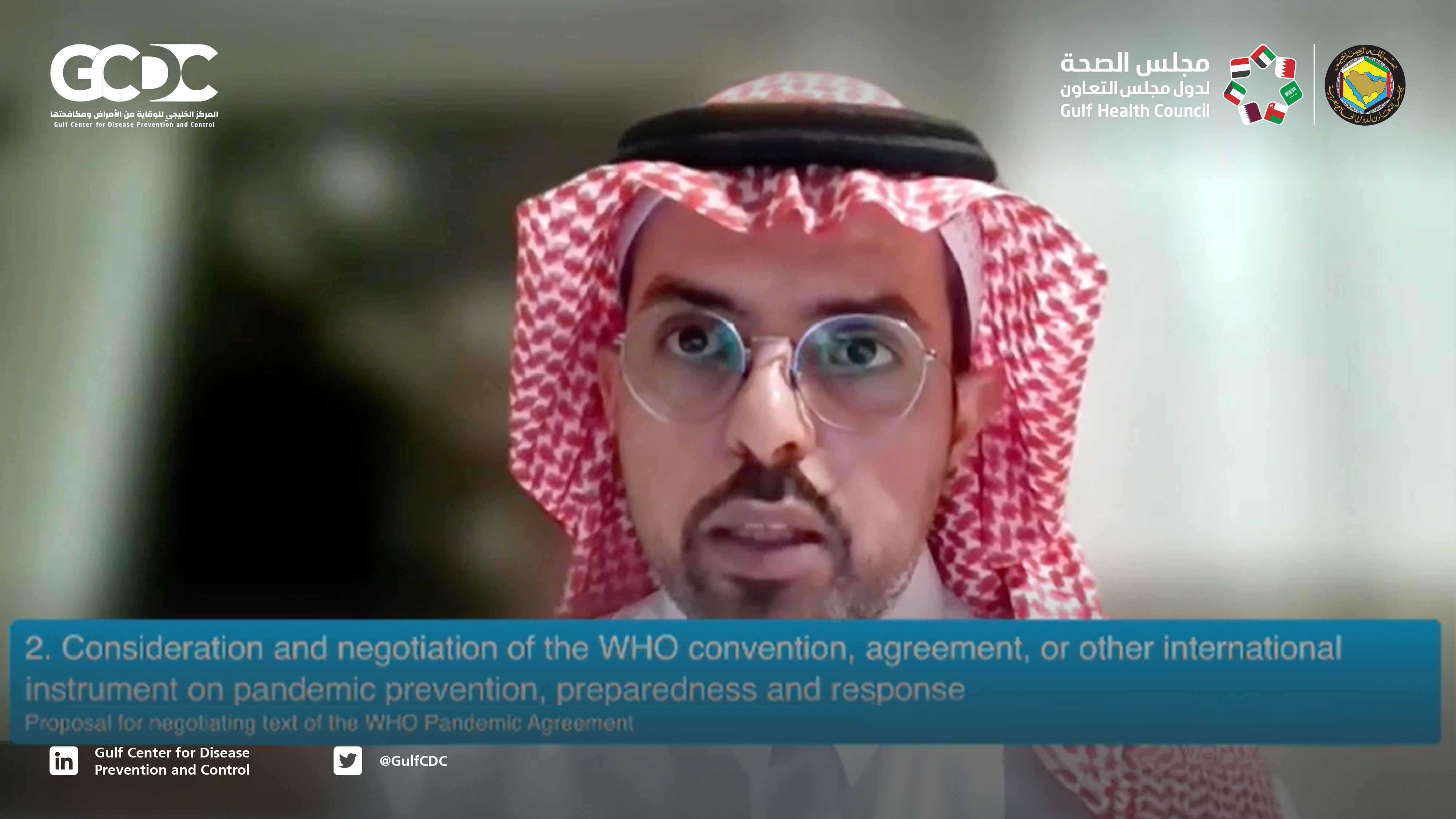
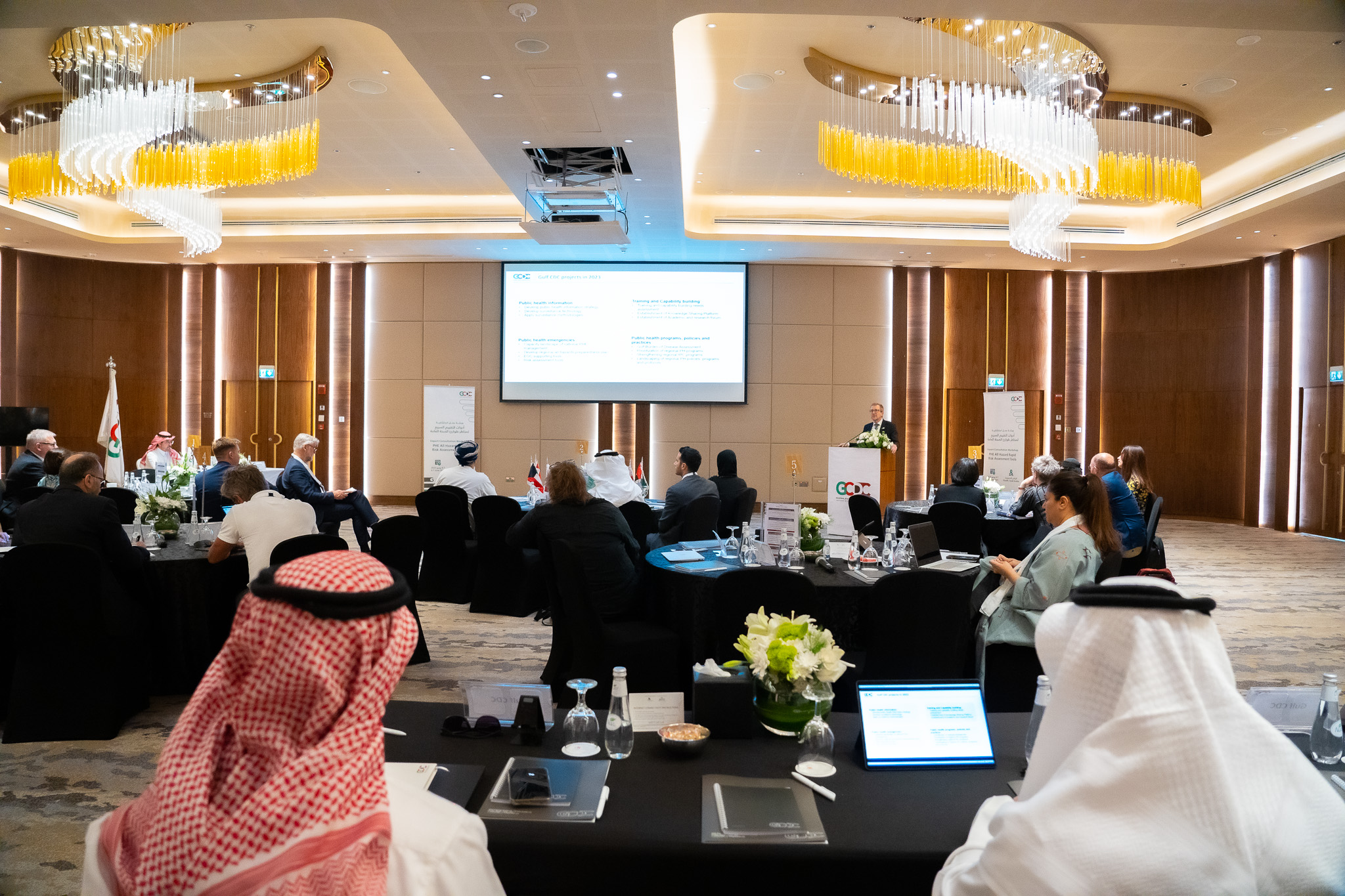
During the high-level opening session, the Gulf CDC presented its experience in responding to BDBV, including the issuance of a risk assessment on the potential importation of the disease into GCC countries within 48 hours of the declaration of a Public Health Emergency of International Concern (PHEIC). The disease was also incorporated into the monitoring of high-consequence diseases during the 2026 Hajj season, supporting early risk assessment and response preparedness.
The Gulf CDC emphasized the importance of translating epidemiological signals into early decisions that facilitate timely access to medical countermeasures. It also presented a hybrid regional model combining national stockpiles, selective revolving stockpiles, activatable supply contracts, and mutual assistance among countries, in coordination with the roles of the Gulf Health Council. In addition, the Gulf CDC proposed conducting a comprehensive regional simulation exercise in partnership with the network, covering the full response pathway from detecting an epidemiological signal to the field deployment of medical countermeasures.
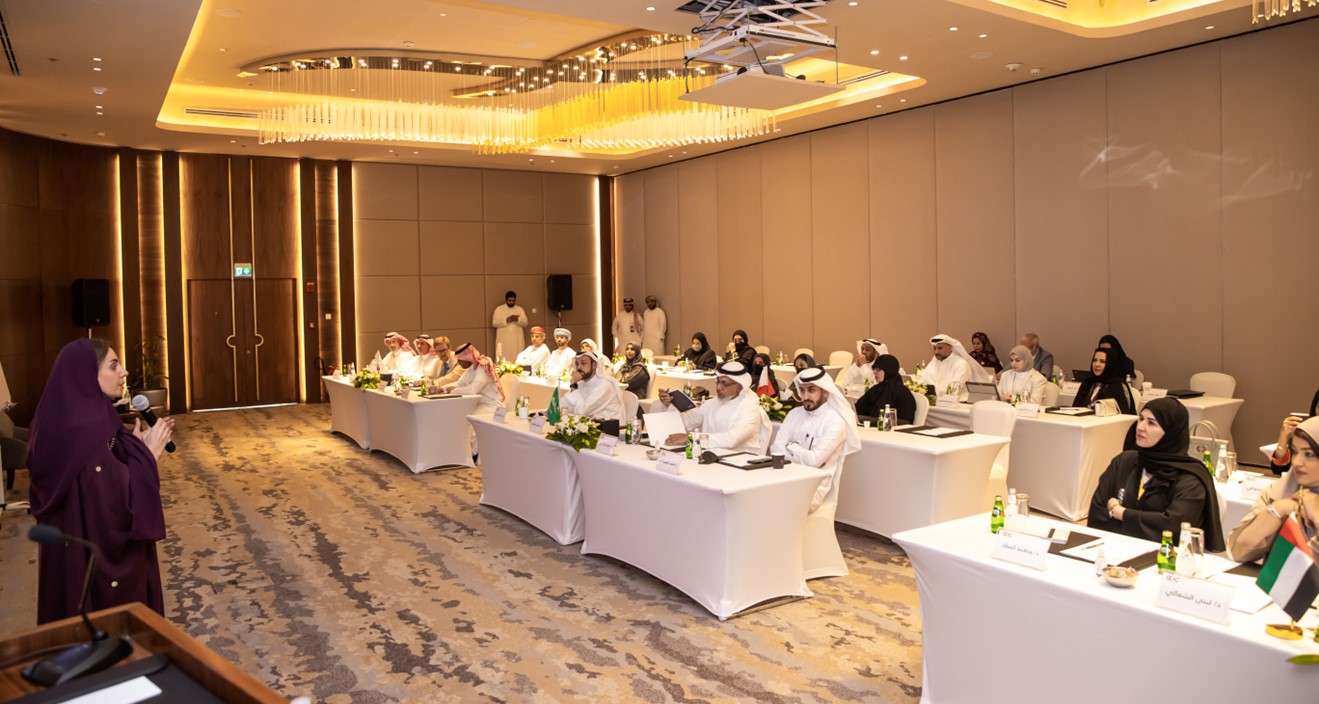
In another panel discussion, the Gulf CDC highlighted its role in coordinating with Member States to collect, harmonize, and utilize data, in collaboration with the Gulf Health Council. These efforts support strategic stockpile planning, needs forecasting, and stronger GCC preparedness for health emergencies.
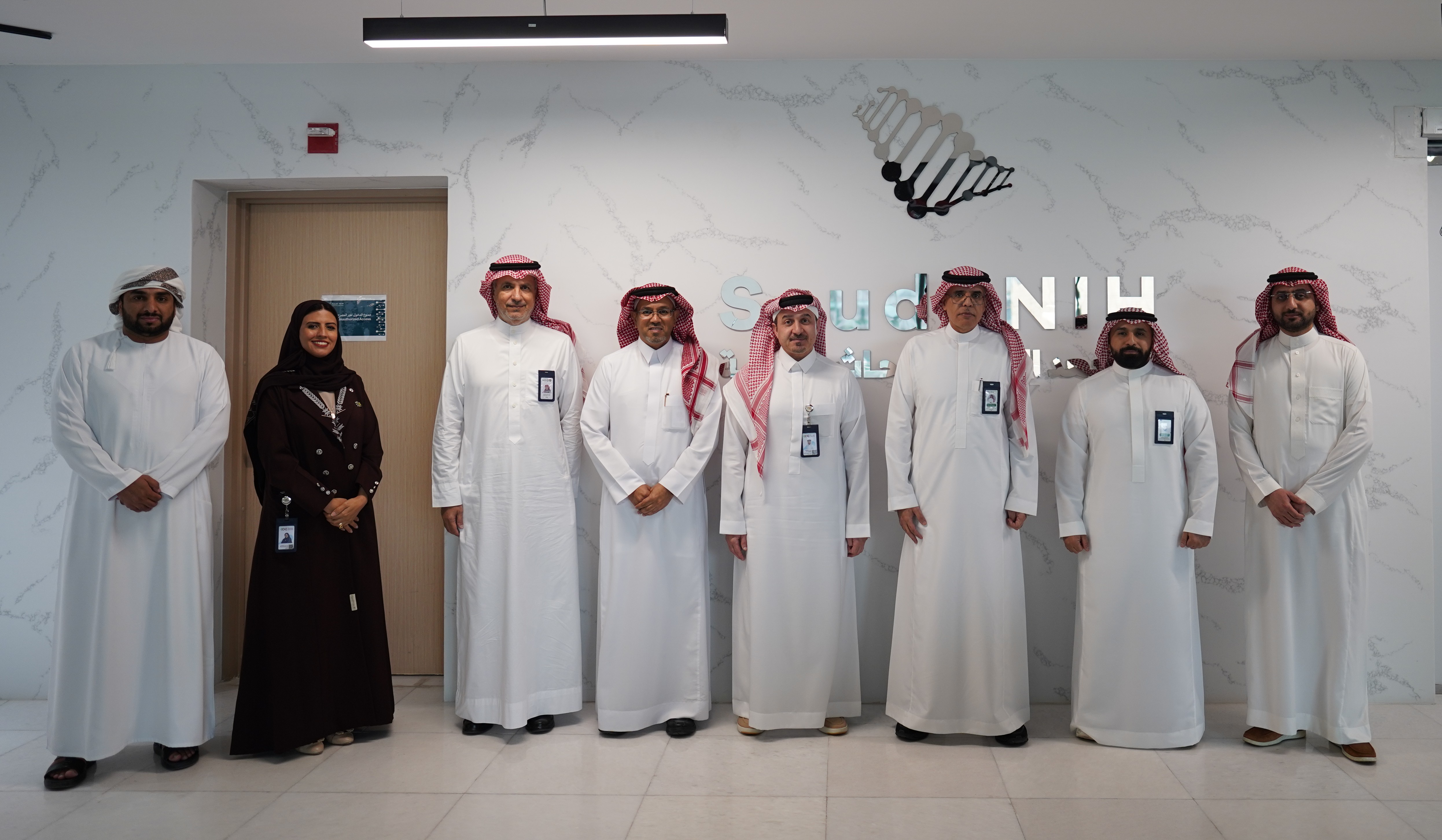
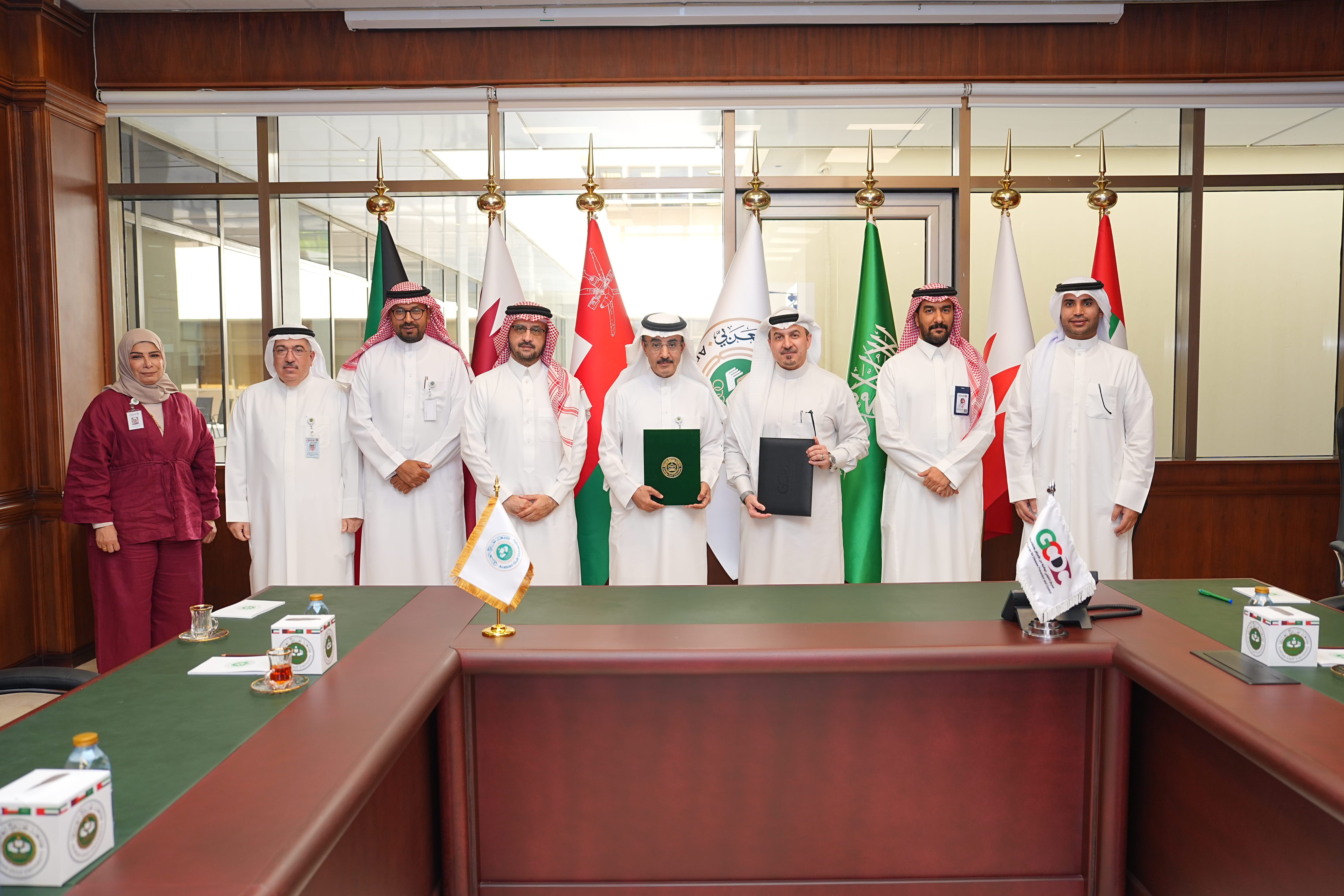
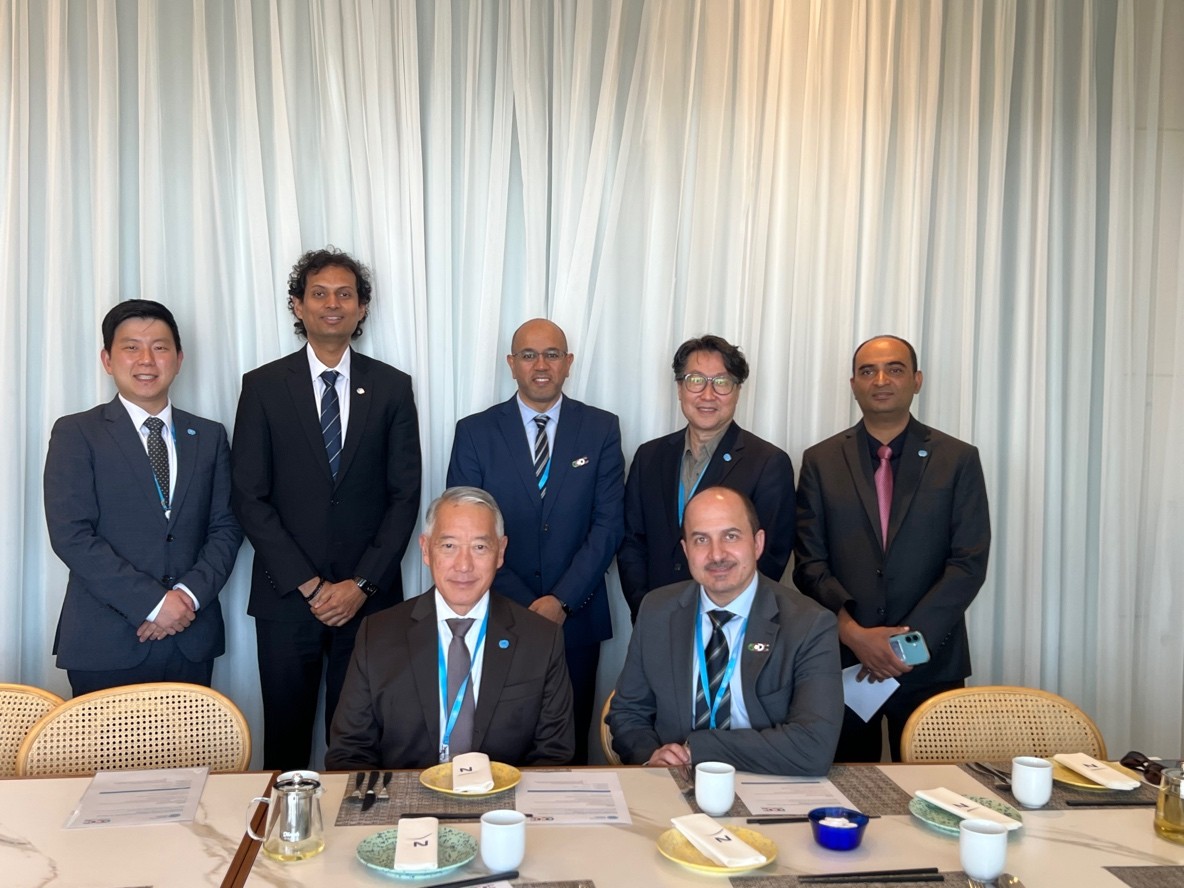
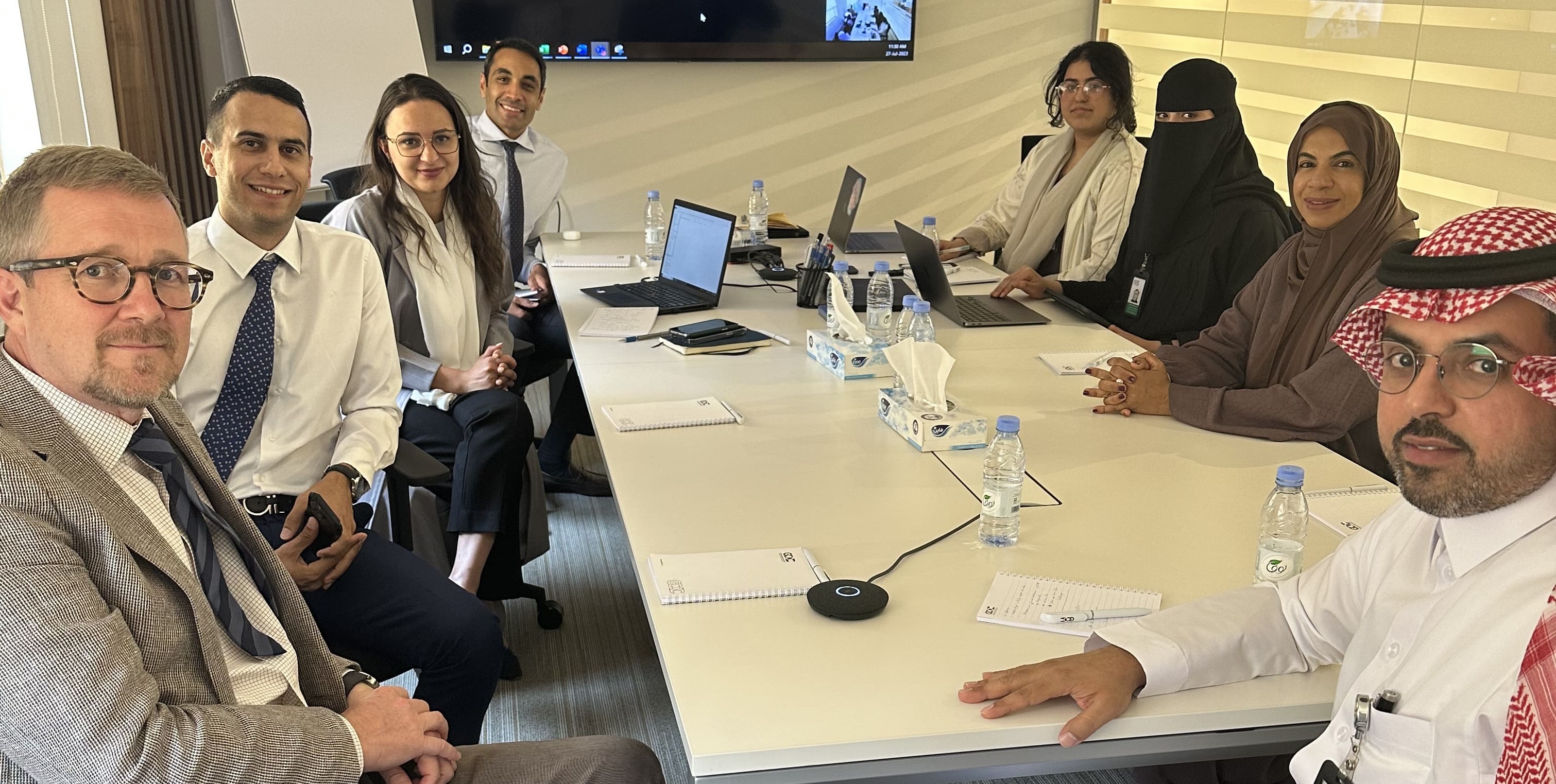
On the sidelines of the forum, the Gulf CDC held a number of bilateral meetings with international and regional organizations, during which it presented its strategic directions and priorities for 2026–2030. The discussions explored opportunities to further develop cooperation and translate international partnerships into technical and operational projects that support GCC countries and strengthen their capacities for health emergency preparedness and response.
The meetings focused on developing implementation-oriented partnerships that deliver tangible outcomes and support Gulf health priorities. They also aimed to strengthen the Gulf CDC’s role as a link between national capacities across GCC countries and global public health systems, supporting regional coordination and facilitating access to international expertise and networks.
This participation forms part of the Gulf CDC’s ongoing efforts to strengthen integration across epidemiological intelligence, data, regional procurement, and international partnerships, contributing to a more prepared and effective GCC response and supporting timely access to medical countermeasures during health emergencies.