

Gulf CDC and Arabian Gulf University Sign MoU to Translate Scientific Research into Programs Supporting Prevention and Health Preparedness
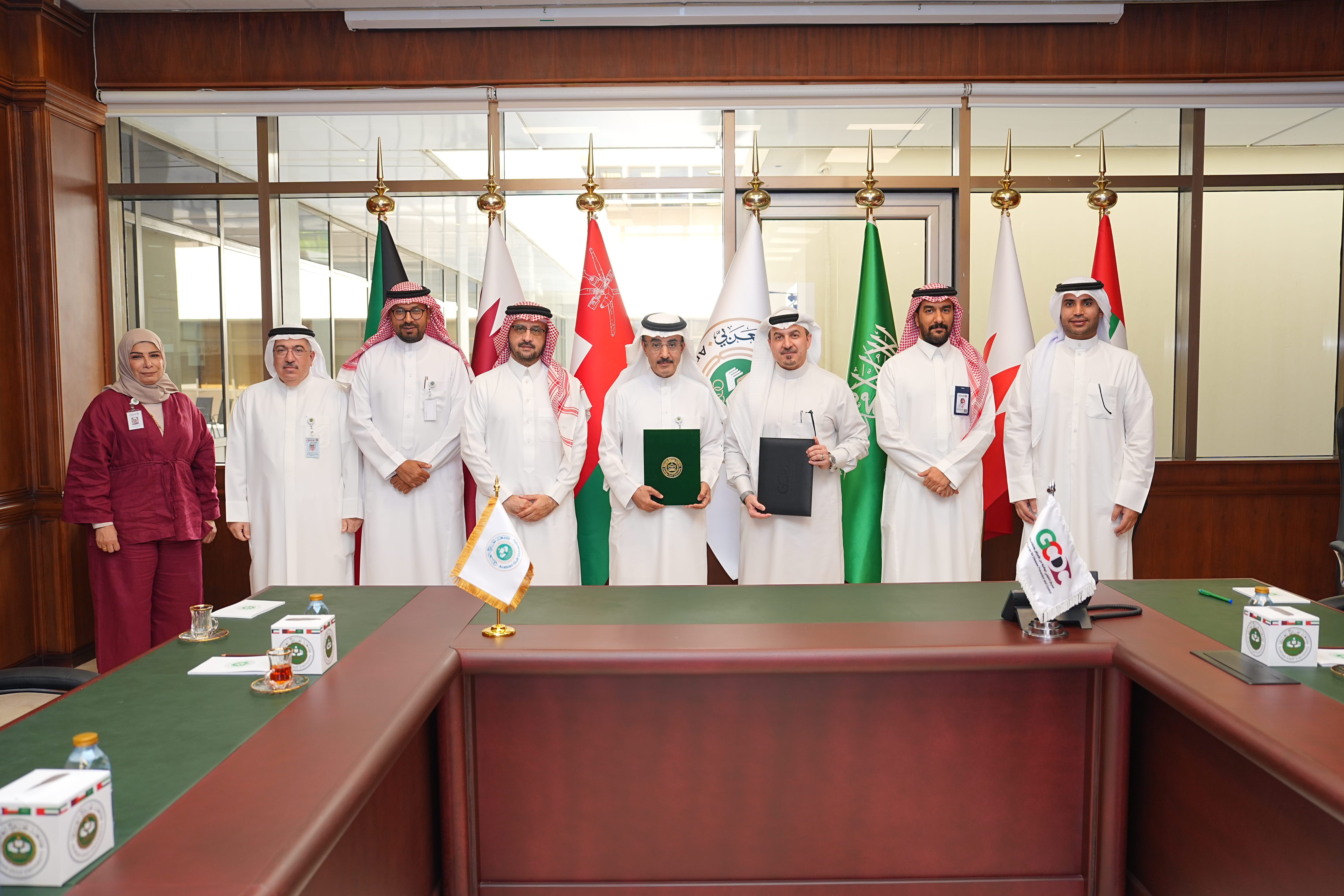
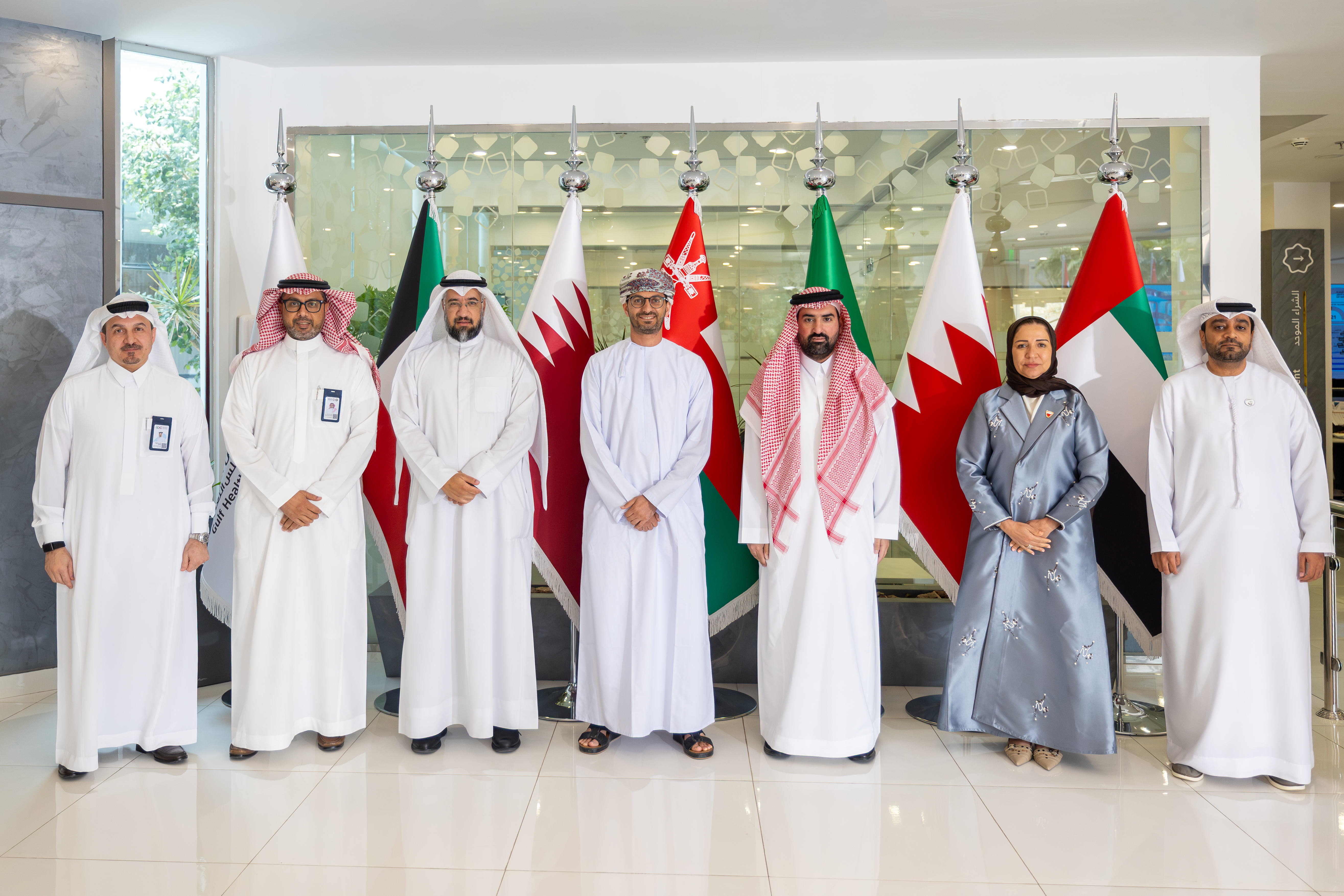
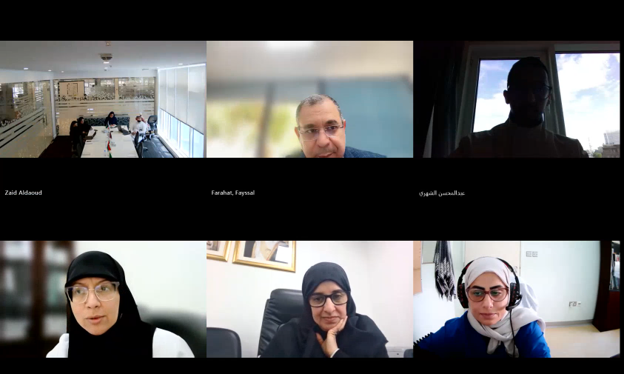
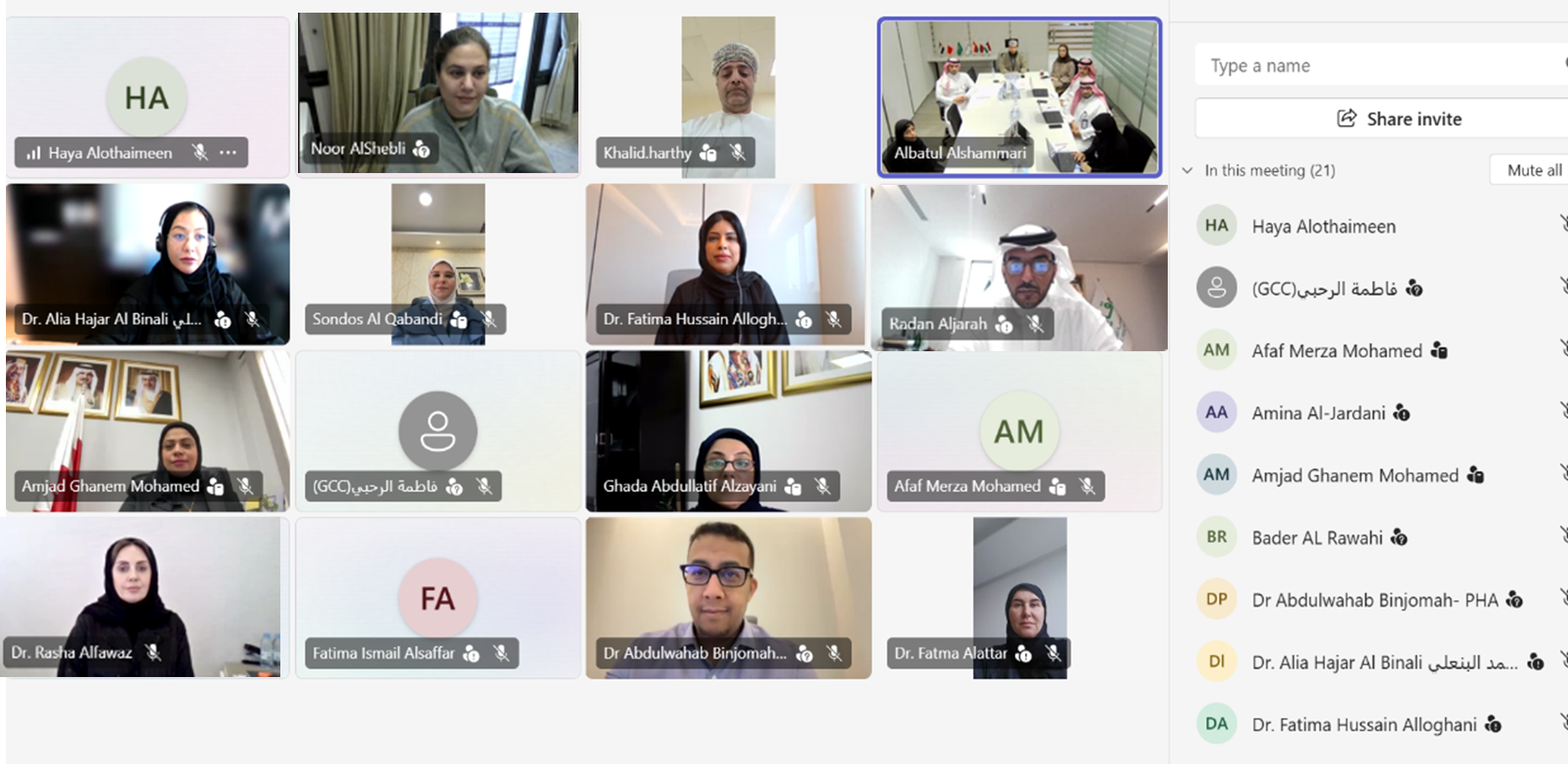
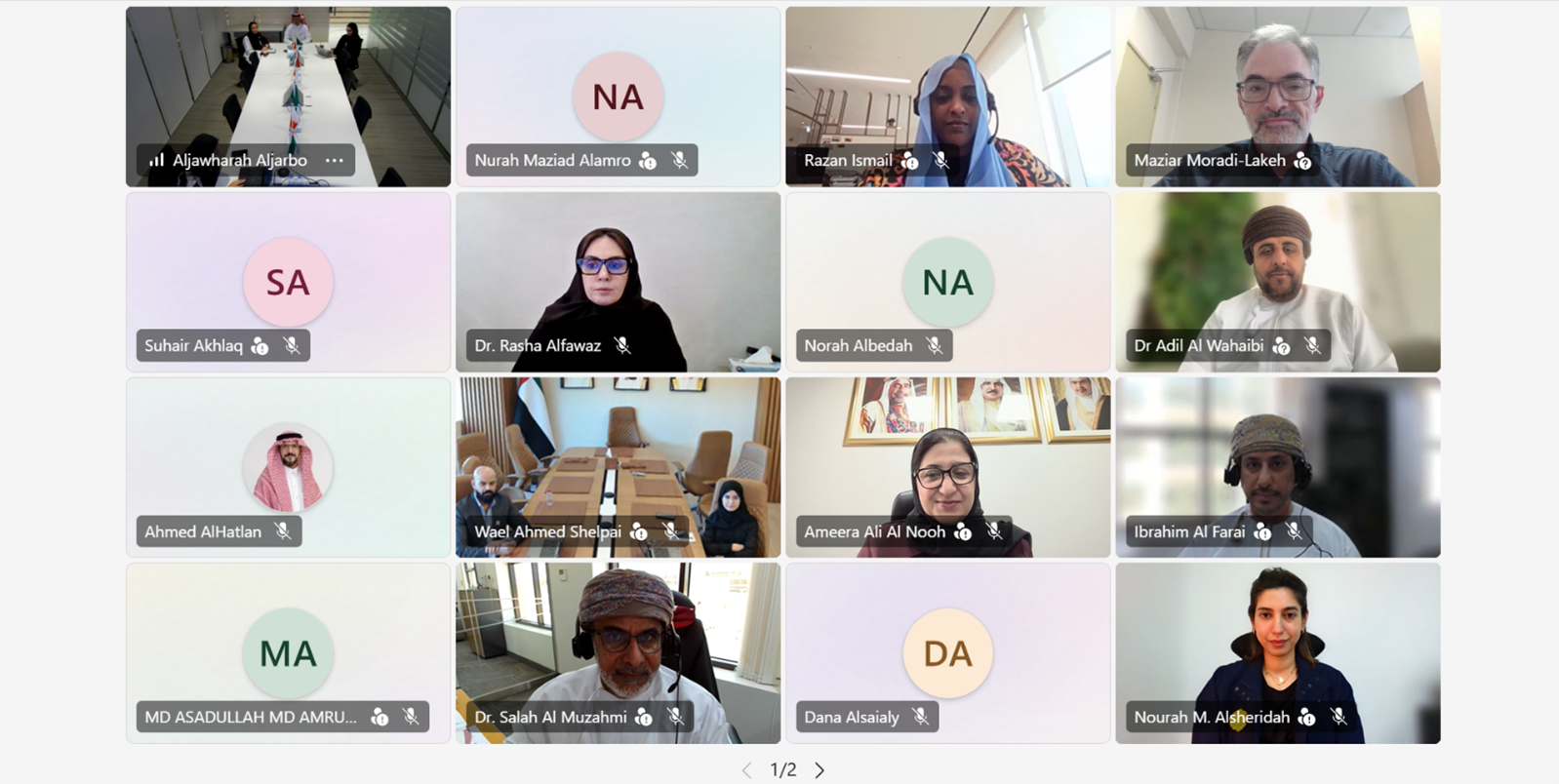
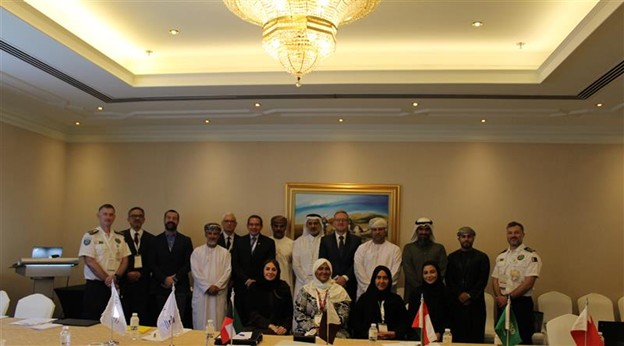
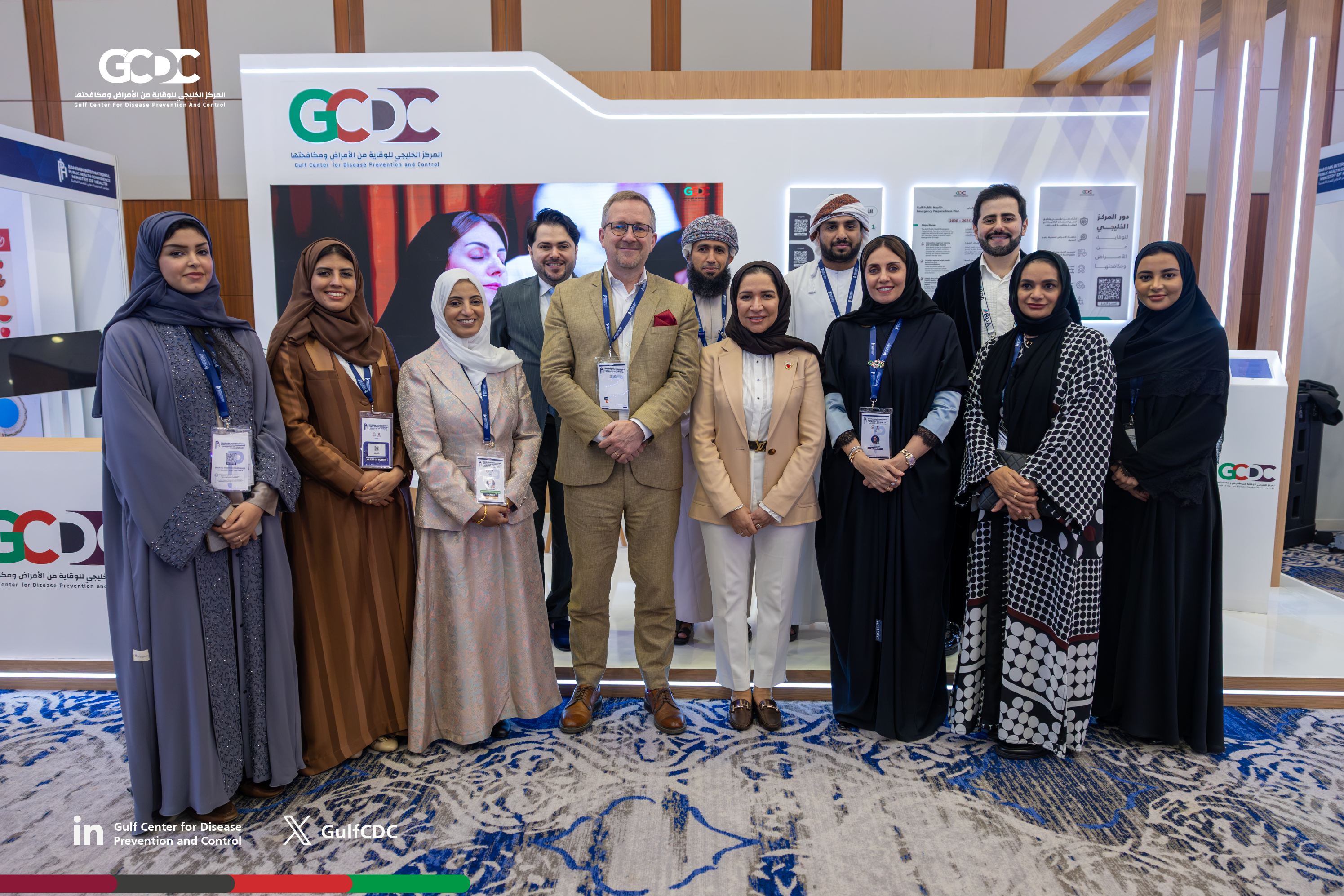
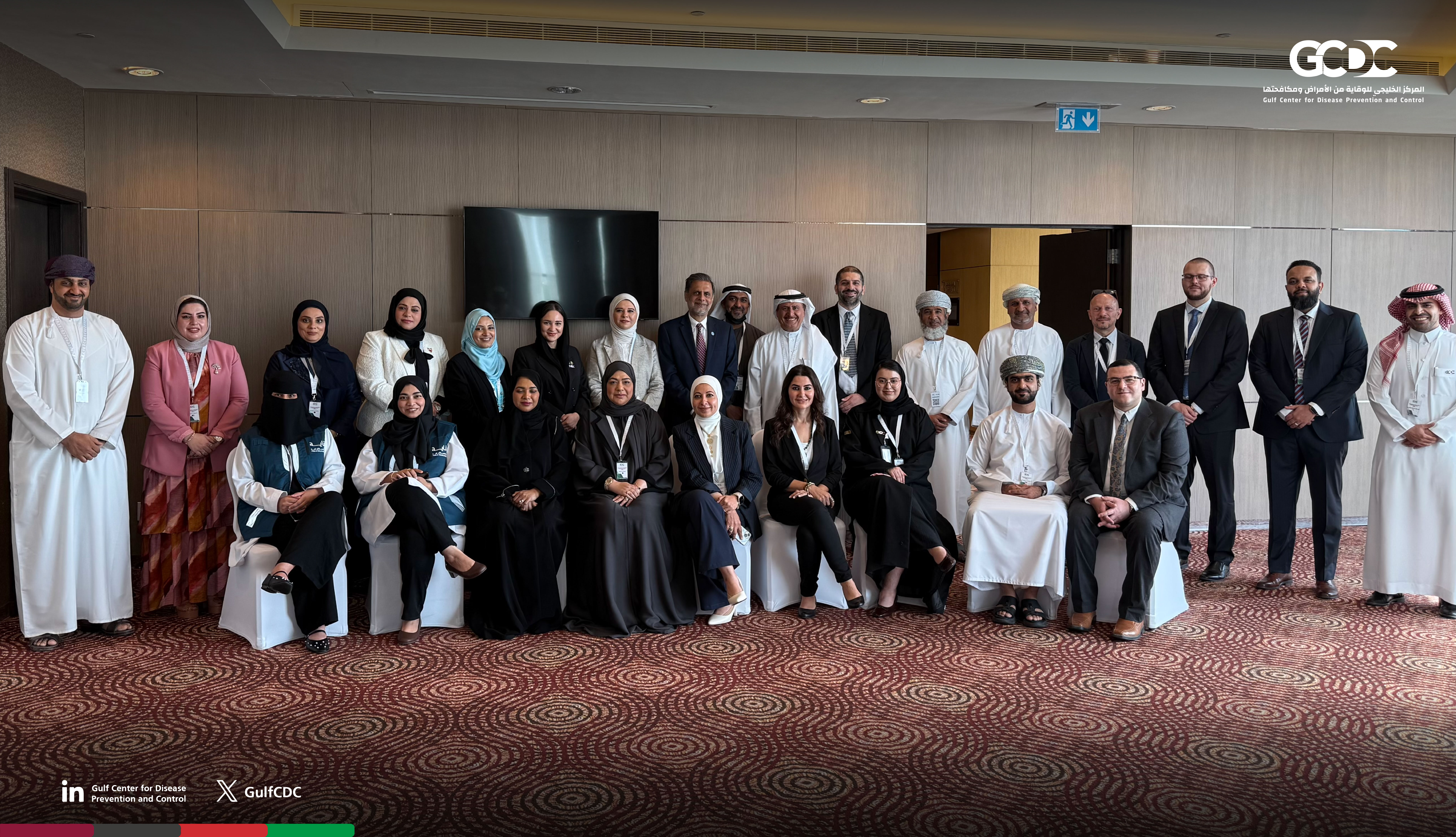
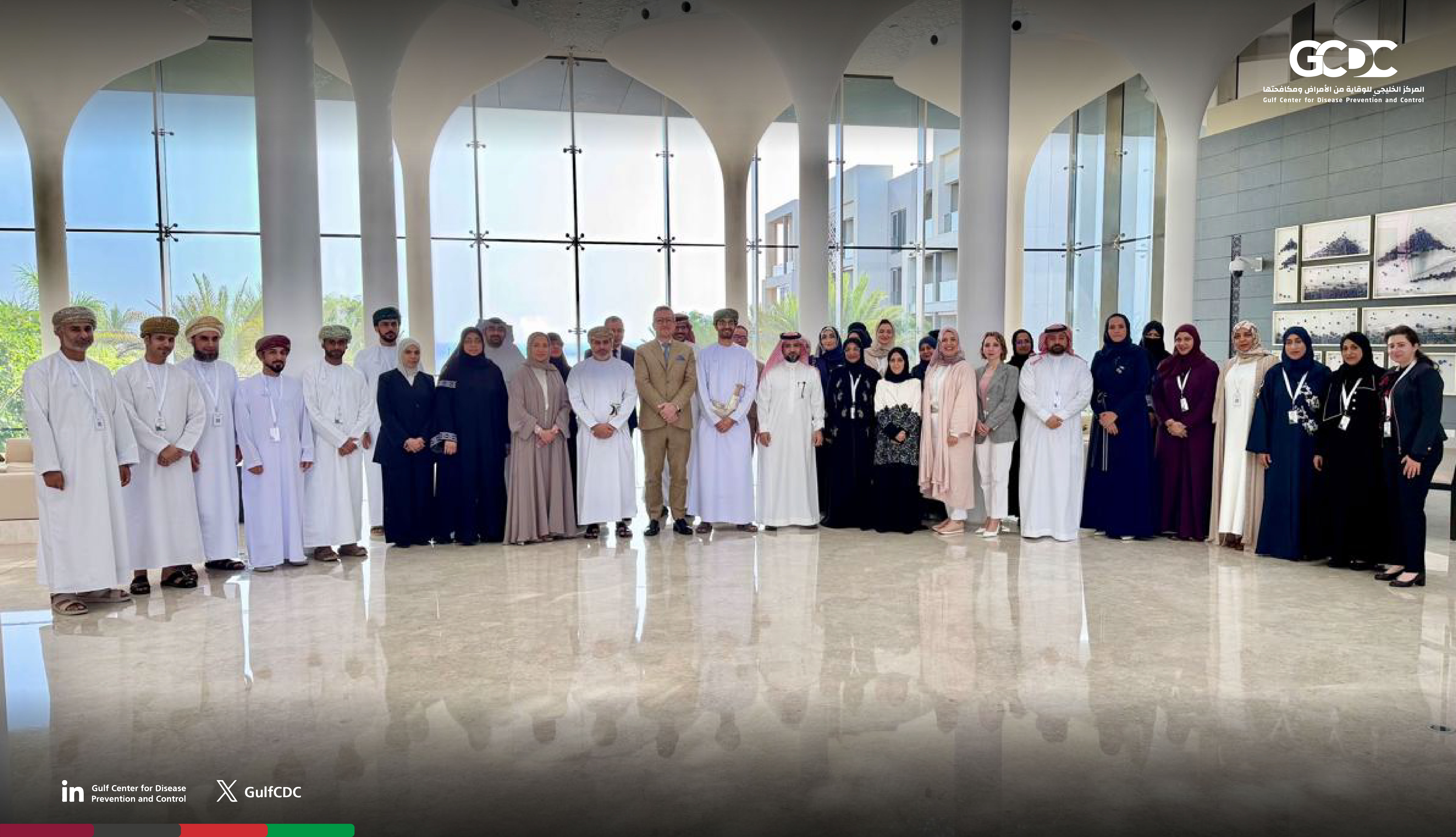
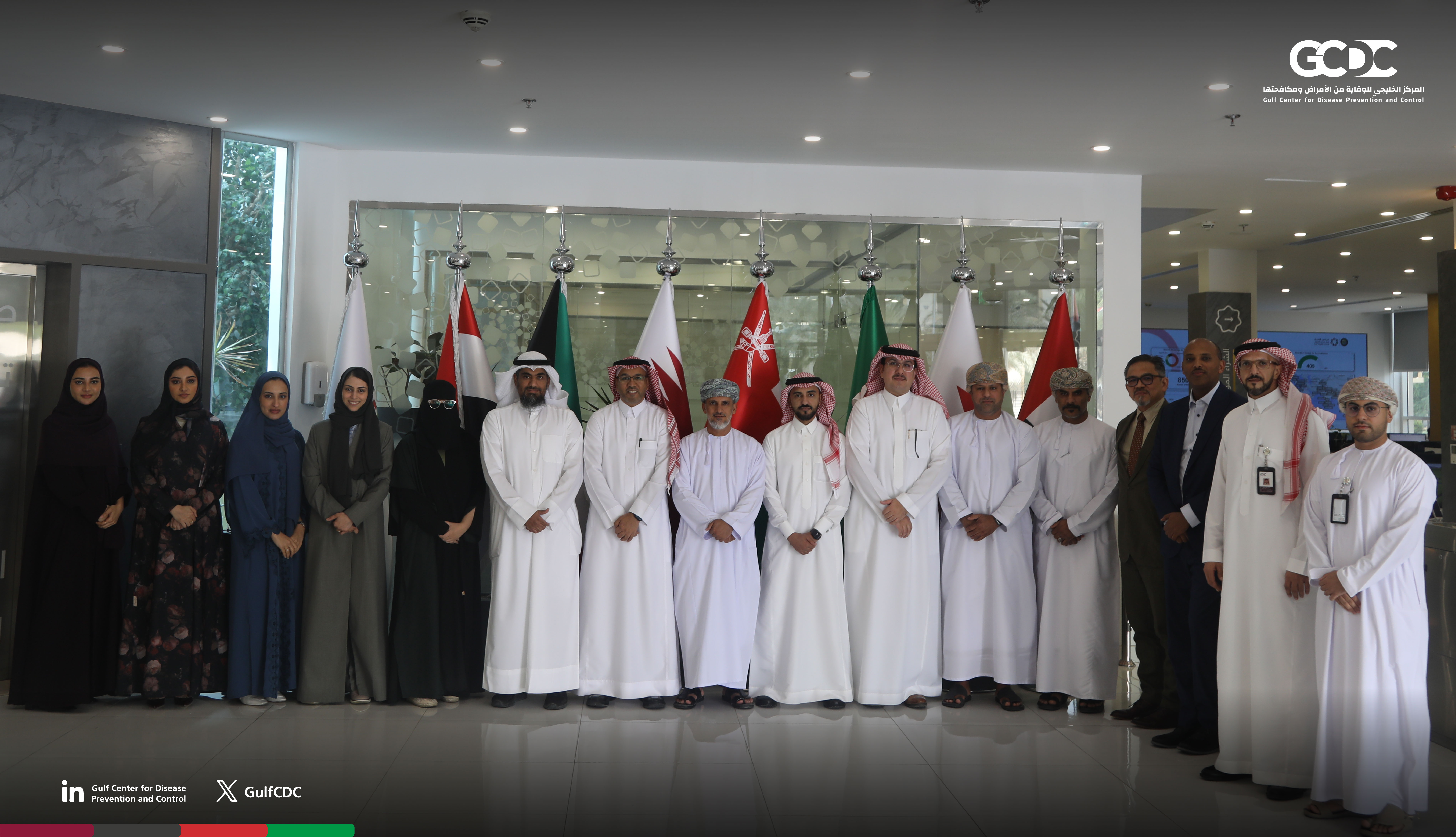
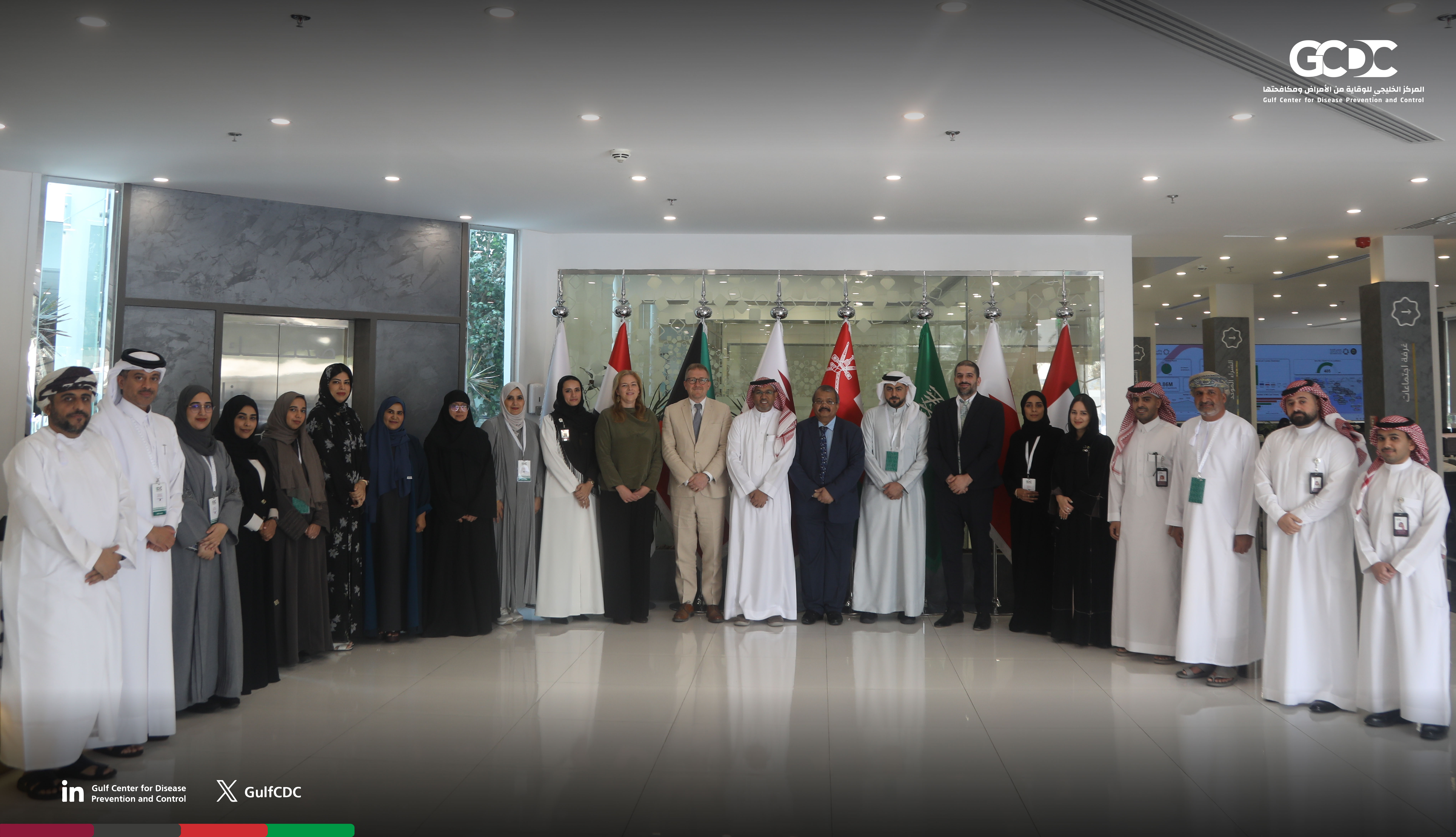
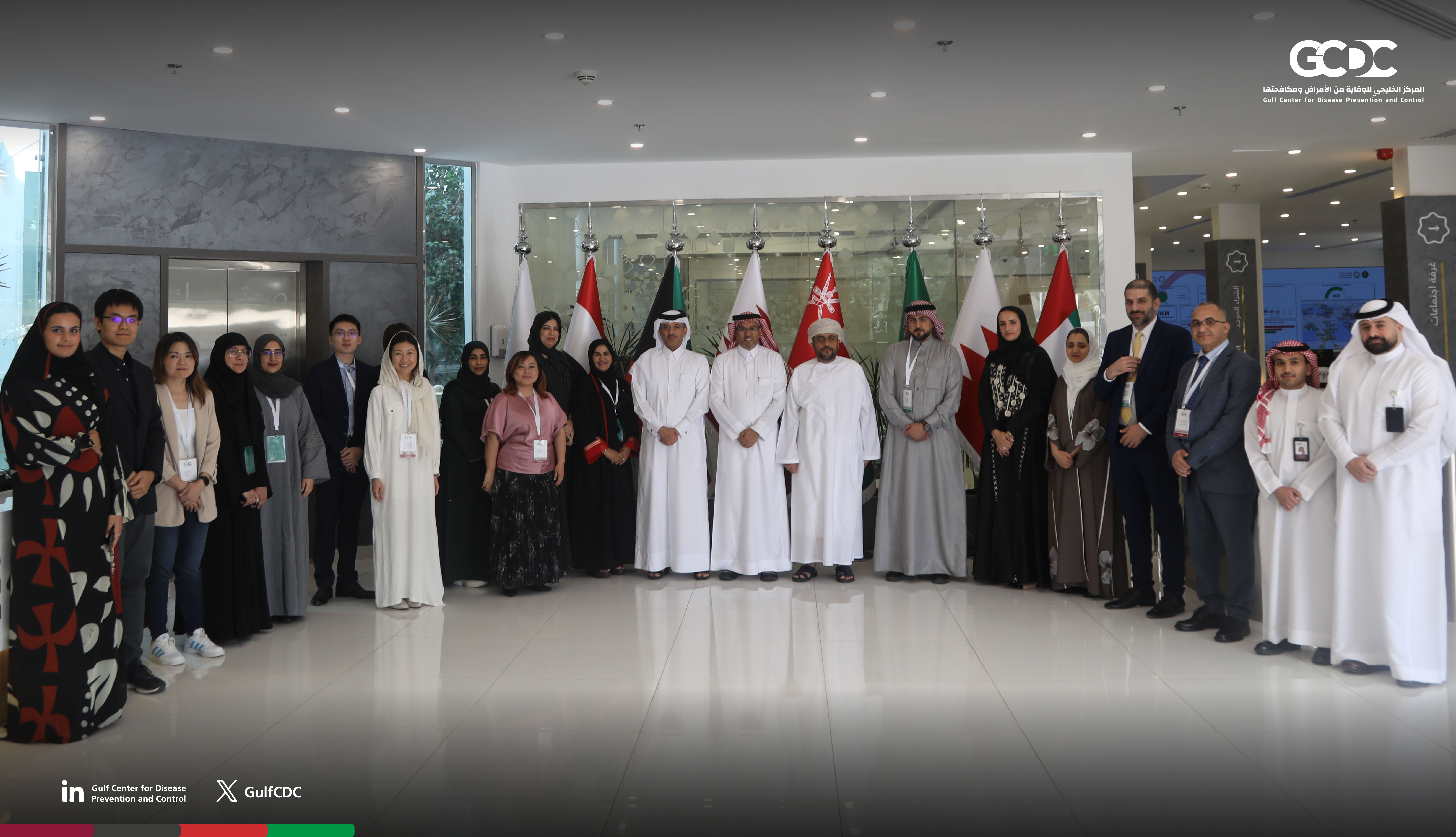
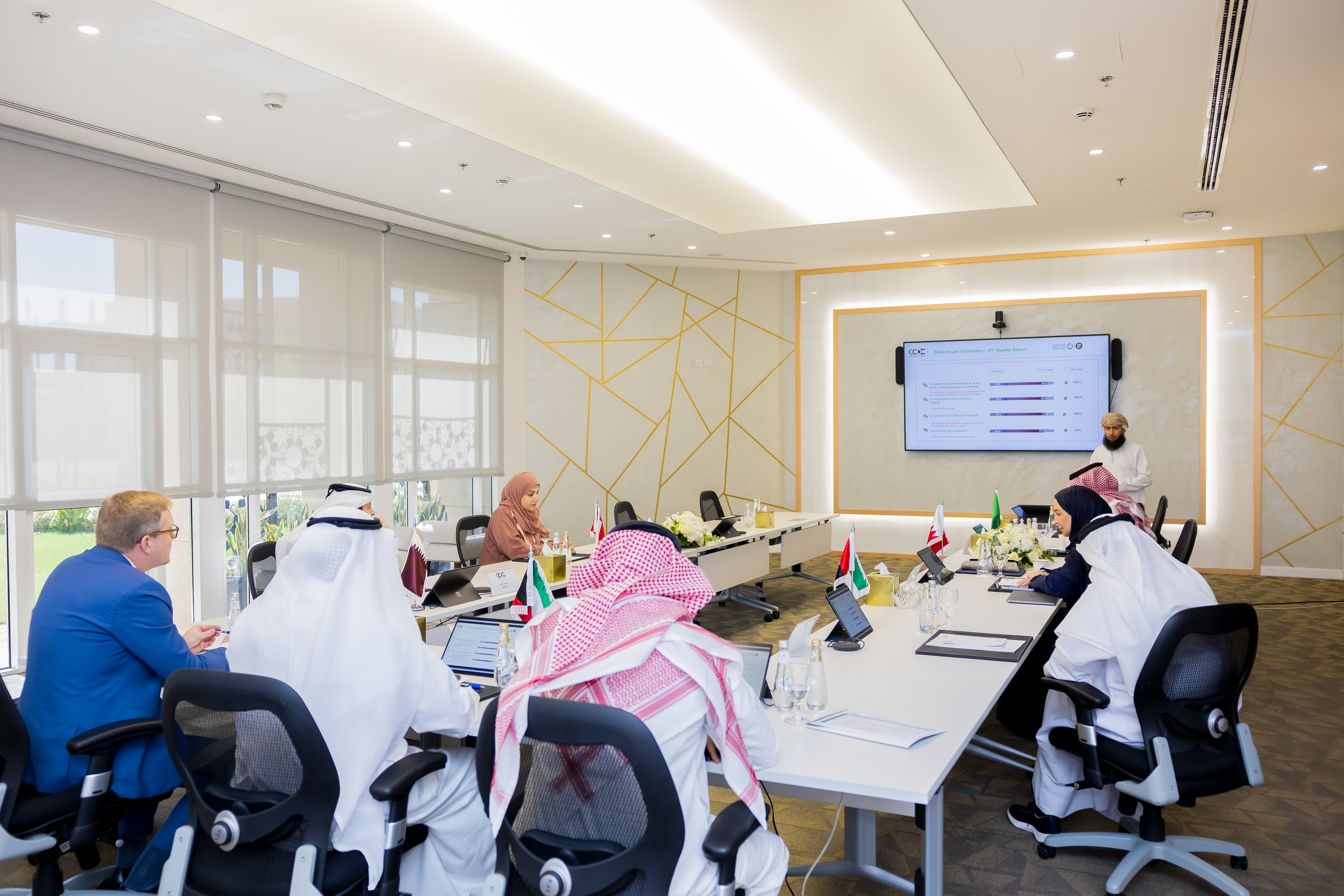
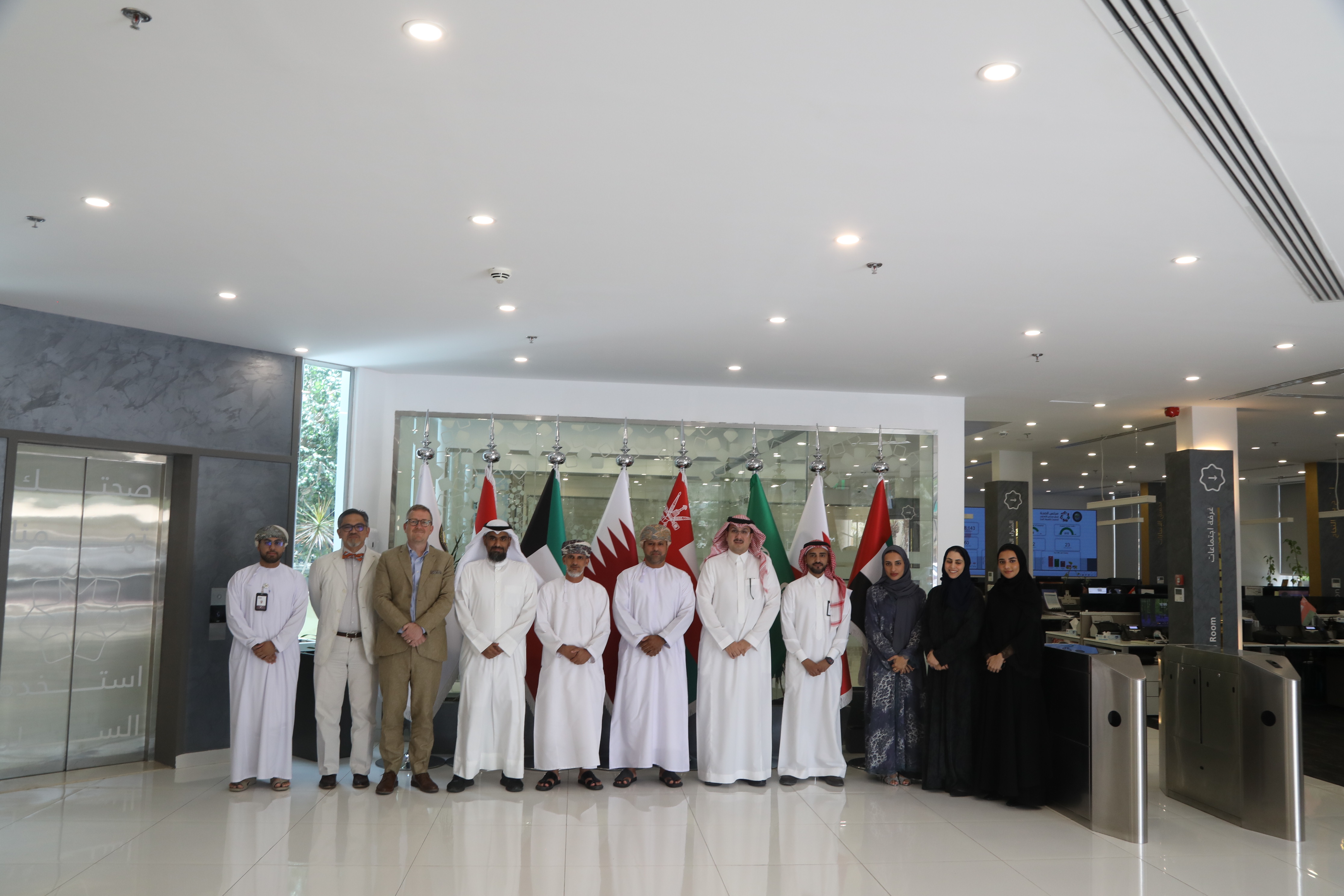
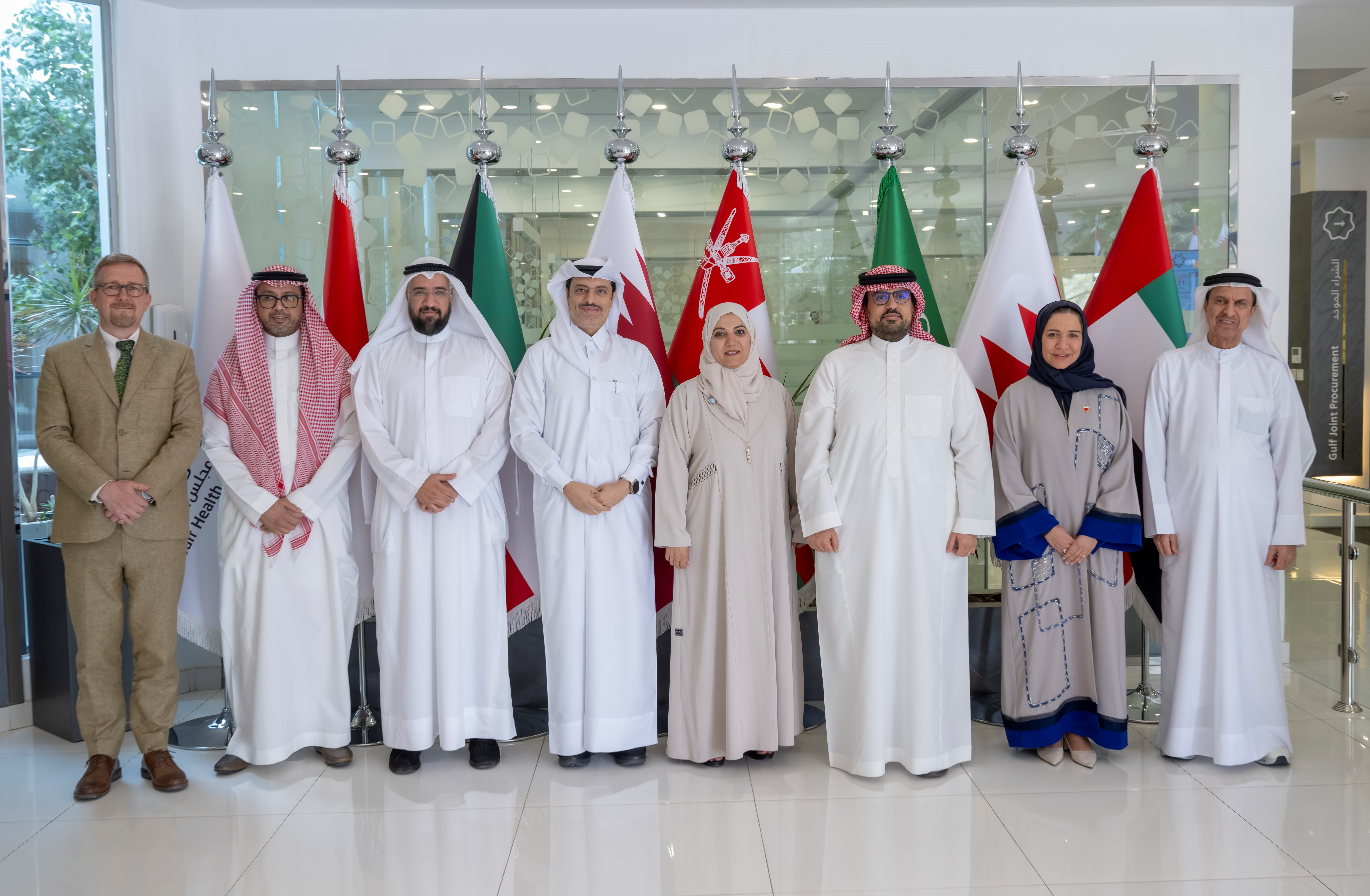
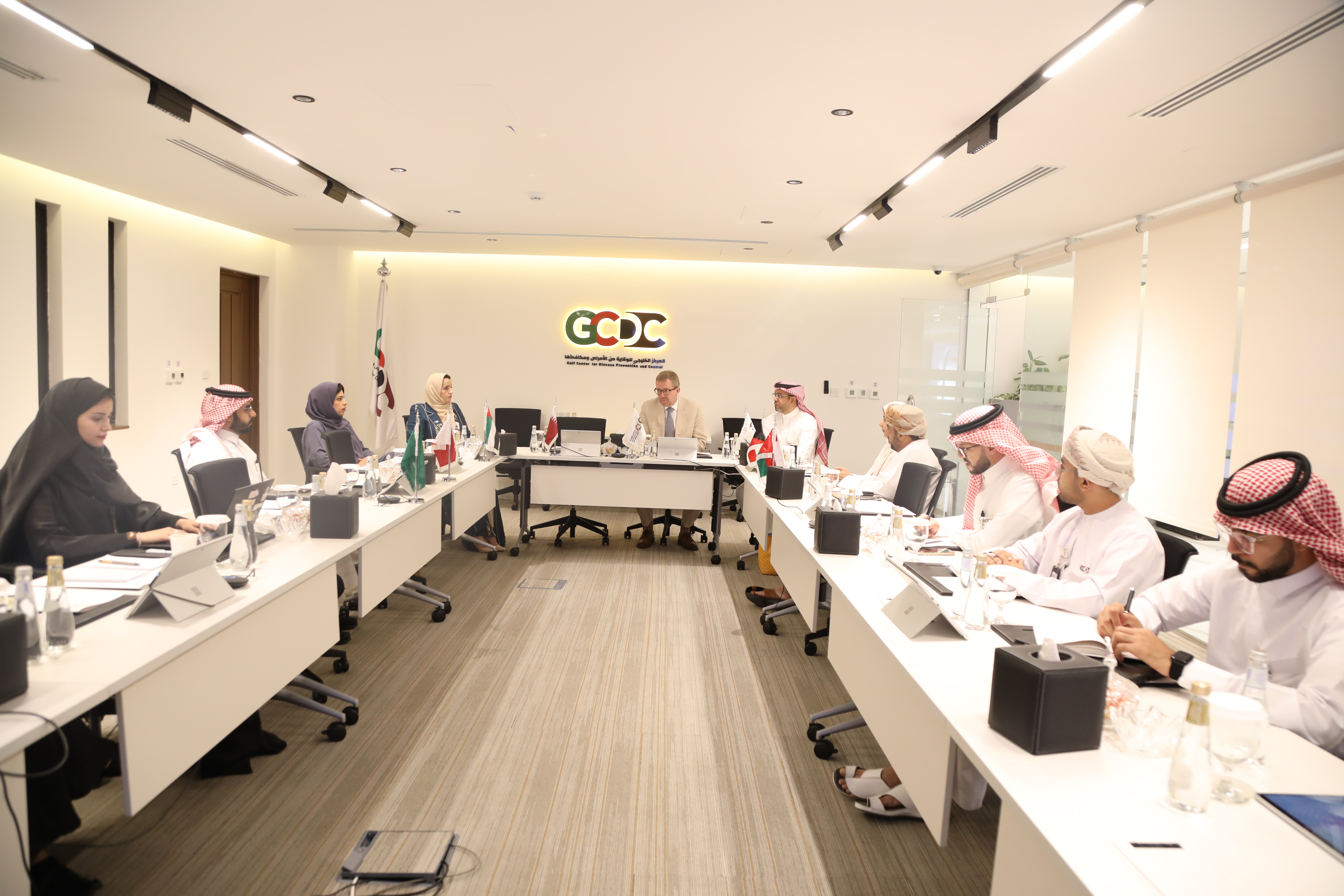
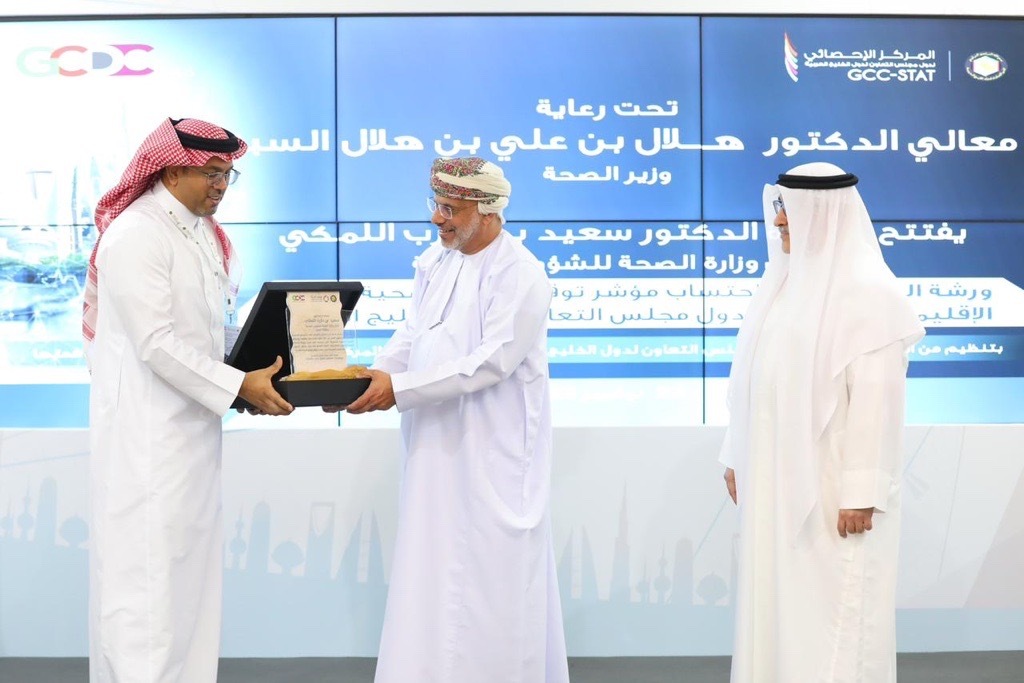
As part of its efforts to expand scientific and academic partnerships, the Gulf Center for Disease Prevention and Control (Gulf CDC) signed a Memorandum of Understanding (MoU) with Arabian Gulf University (AGU) at the University’s headquarters in the Kingdom of Bahrain on Wednesday, 4 November 2026. The MoU aims to strengthen scientific and technical cooperation in public health and translate the outcomes of research, training, and innovation into practical programs, initiatives, and tools that support health policies, enhance the preparedness of public health systems, and strengthen Gulf health security.
H.E. Prof. Dr. Manaf Al Qahtani, Chief Executive Officer of the Gulf CDC, emphasized that cooperation with academic and research institutions is a key pillar in building sustainable Gulf public health capacities. He noted that the MoU opens new opportunities to leverage shared expertise and translate scientific knowledge into practical solutions that support health decision-making, empower national competencies, and strengthen prevention and preparedness for health challenges, ultimately contributing to the health and well-being of Gulf communities.
The MoU establishes a framework for integrating regional public health efforts with academic and research capabilities, enabling shared expertise to be utilized in support of health priorities across GCC countries and strengthening joint Gulf action in addressing health challenges. This cooperation is aligned with the Gulf CDC’s strategic directions for 2026–2030, particularly in the areas of capacity building, research and innovation, and public health emergency preparedness and response.
Areas of cooperation include the implementation of joint research projects and studies related to Gulf health priorities, support for joint scientific publication, and the utilization of scientific and technical expertise in developing health policies, guidelines, evaluation frameworks, health surveillance, and data analysis. These efforts aim to transform data and research findings into reliable and actionable health knowledge that enables health authorities to make evidence-based decisions and develop more effective responses to the needs of Gulf communities.
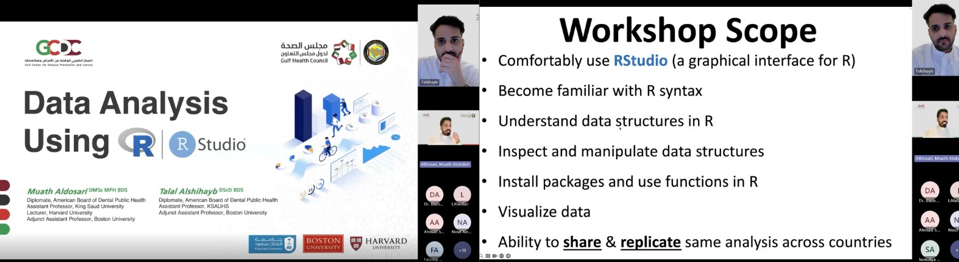
In the area of capacity development and empowerment, the MoU provides for cooperation in designing and implementing professional training programs, fellowships, executive education, and public health leadership development. This will help strengthen the competencies of health sector professionals, enhance their ability to apply scientific knowledge in professional practice, and contribute to improving the efficiency and sustainability of public health systems.
This cooperation supports an approach that connects knowledge with implementation, capacity building with improved performance, and scientific partnerships with tangible health impact, contributing to stronger prevention, the protection of Gulf communities’ health, and the development of more prepared and sustainable public health systems.