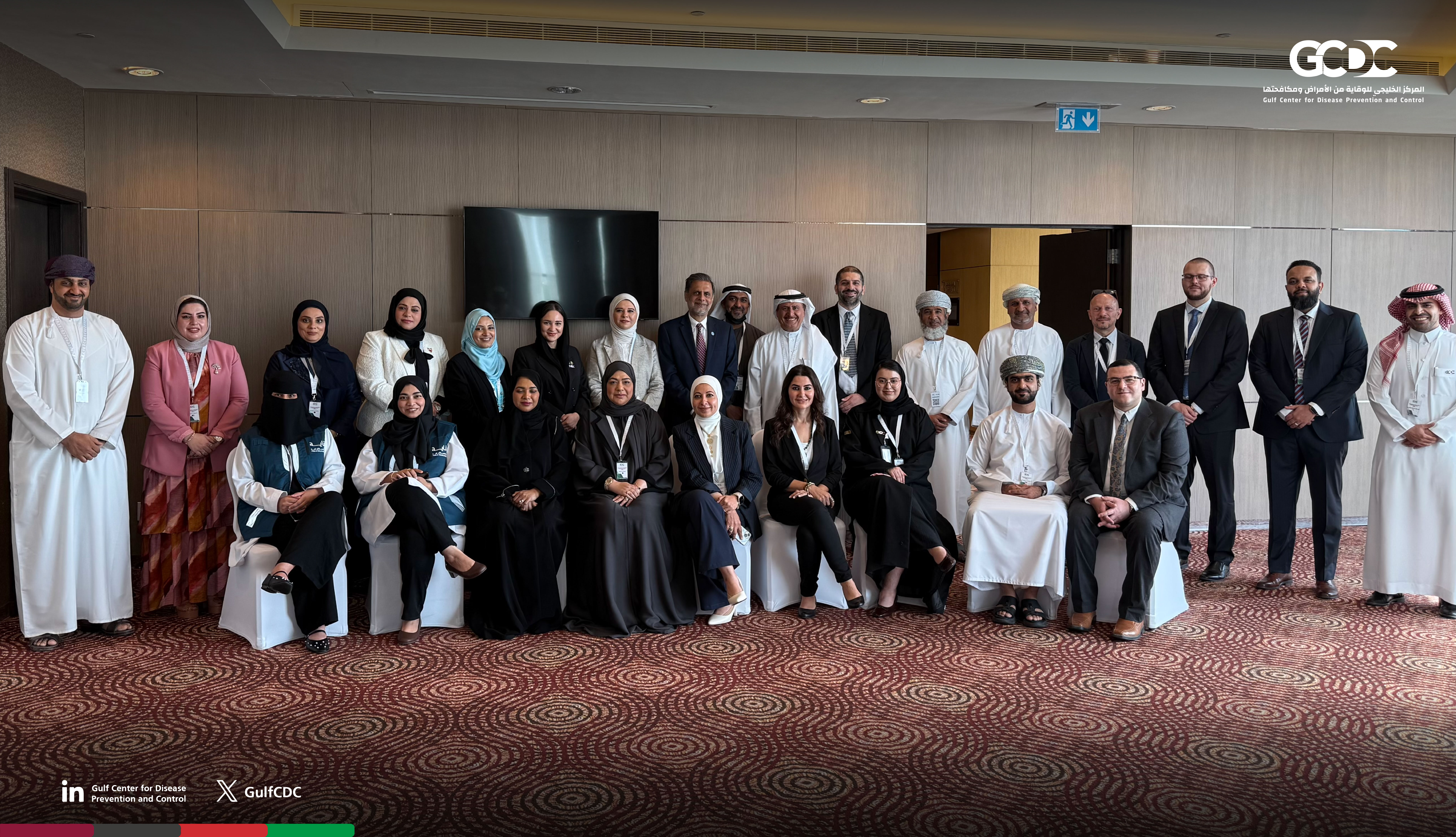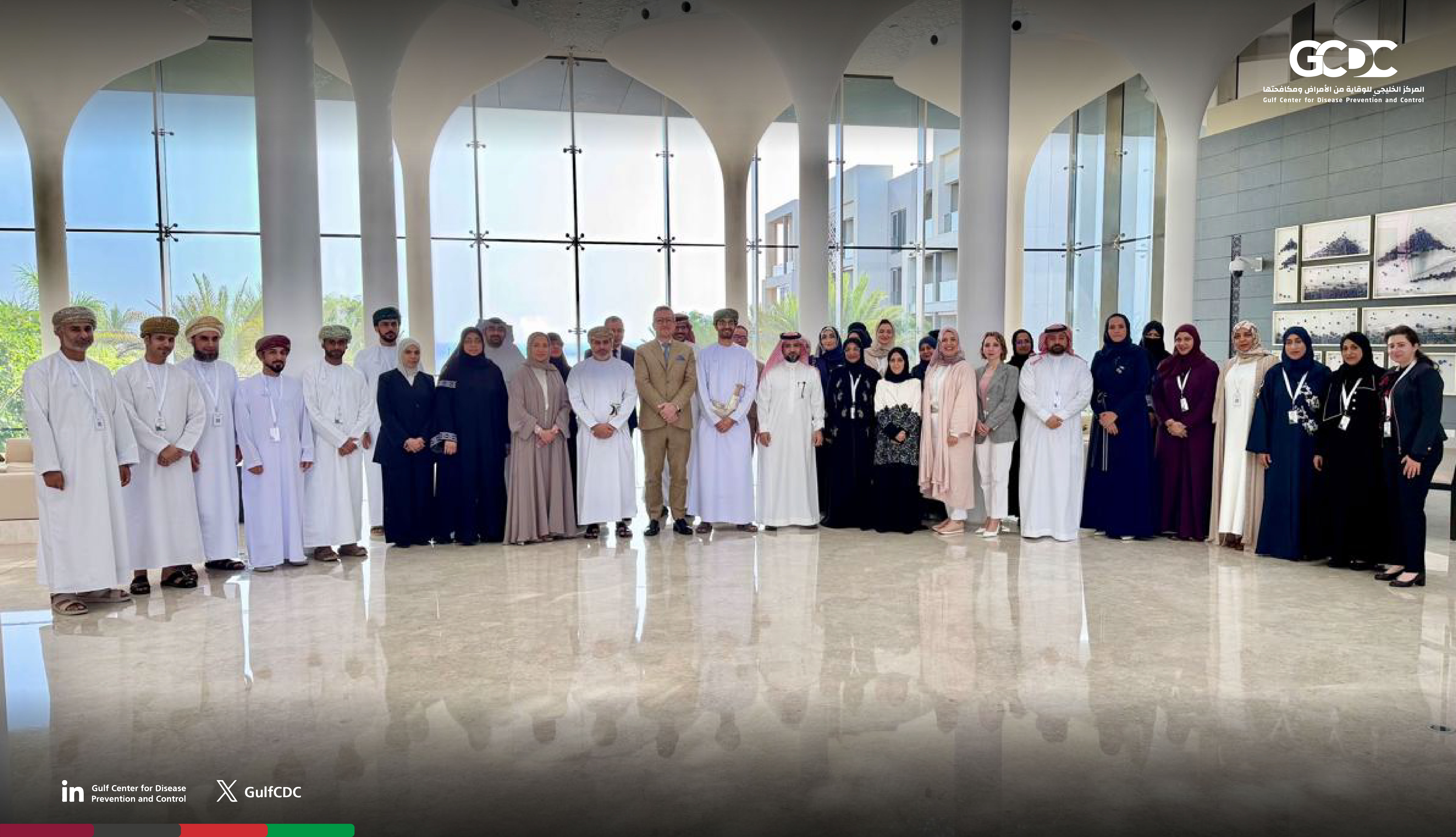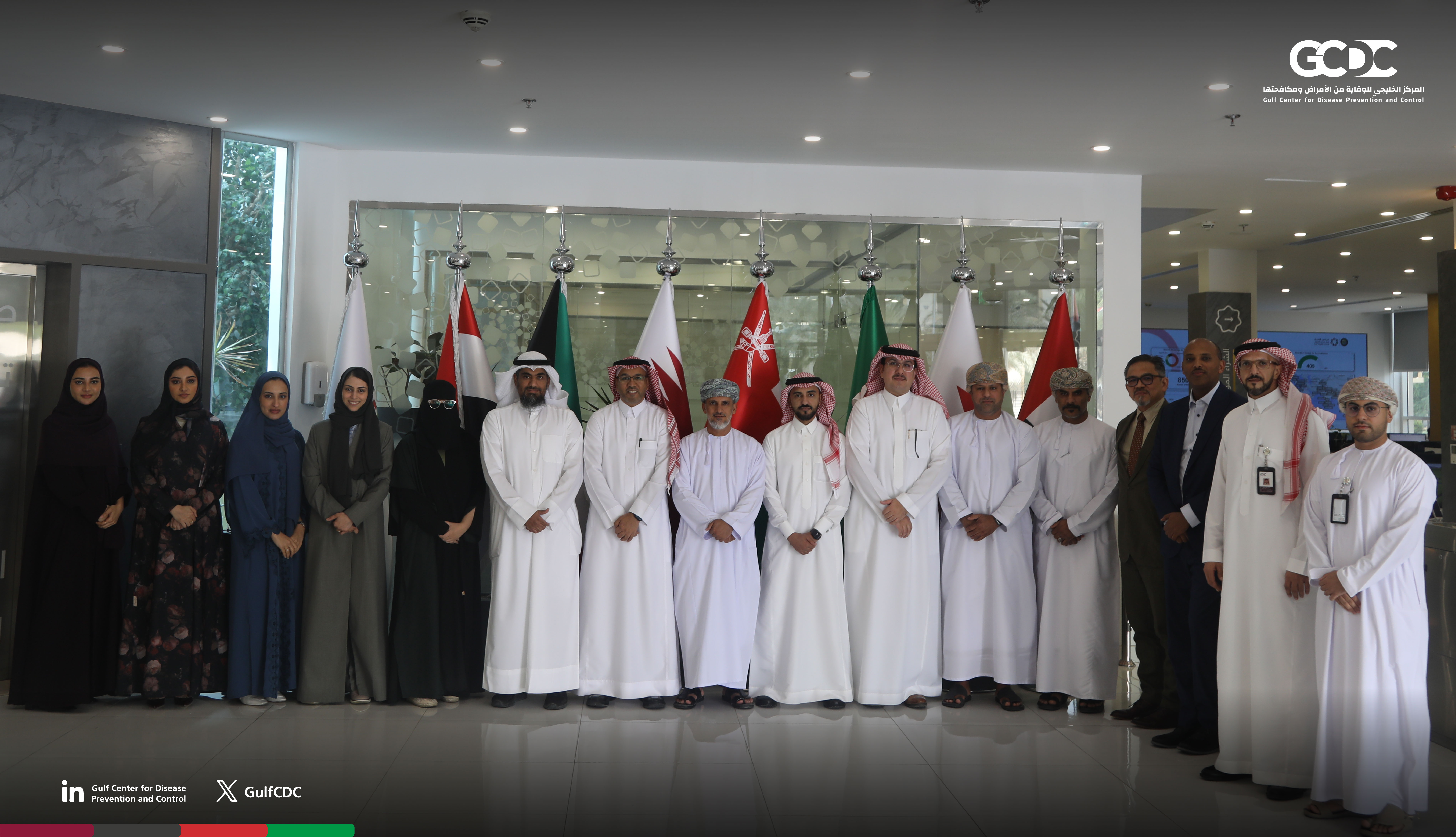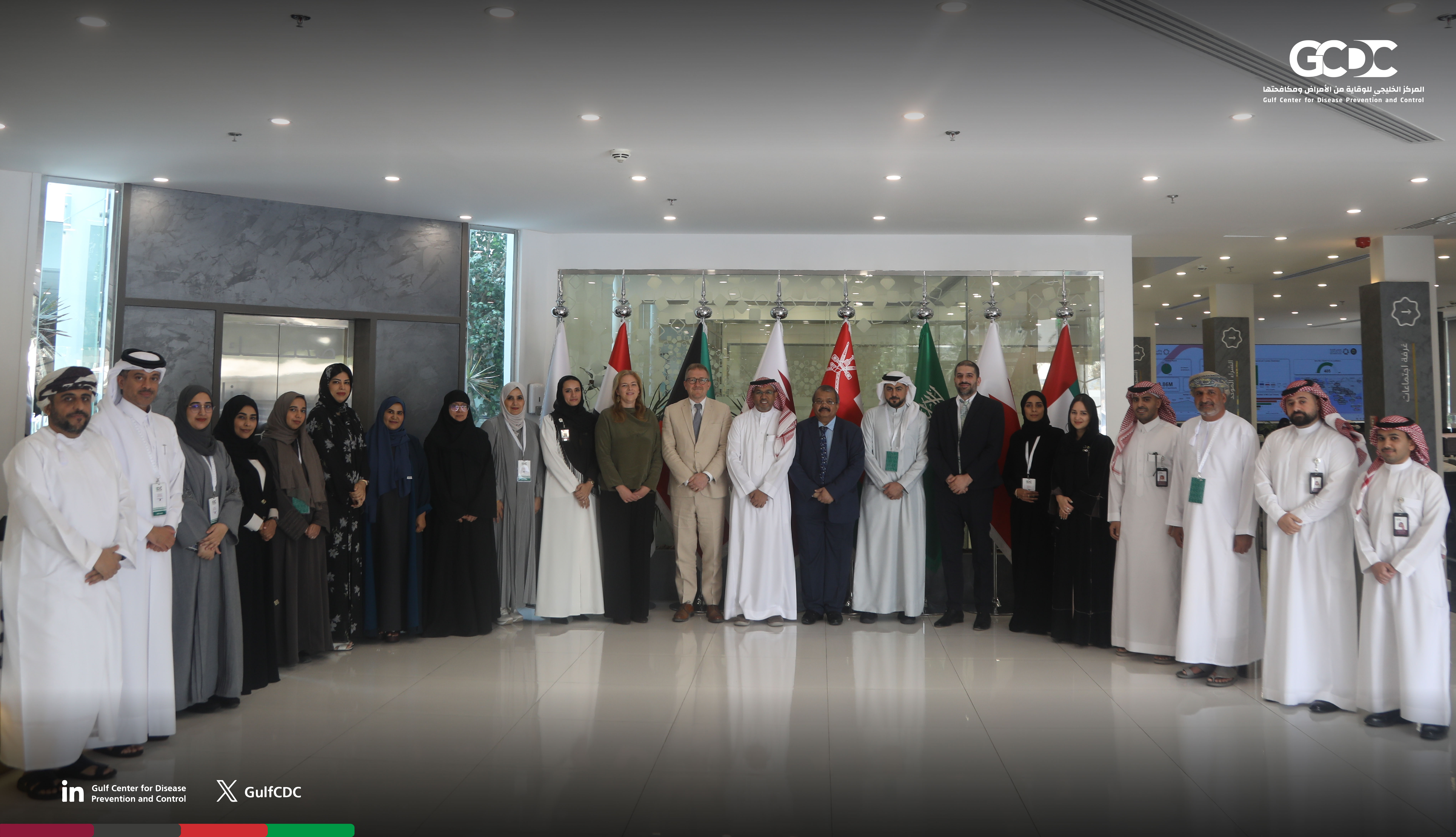


Gulf CDC and Saudi NIH Sign MoU to Support Gulf Health Research Priorities
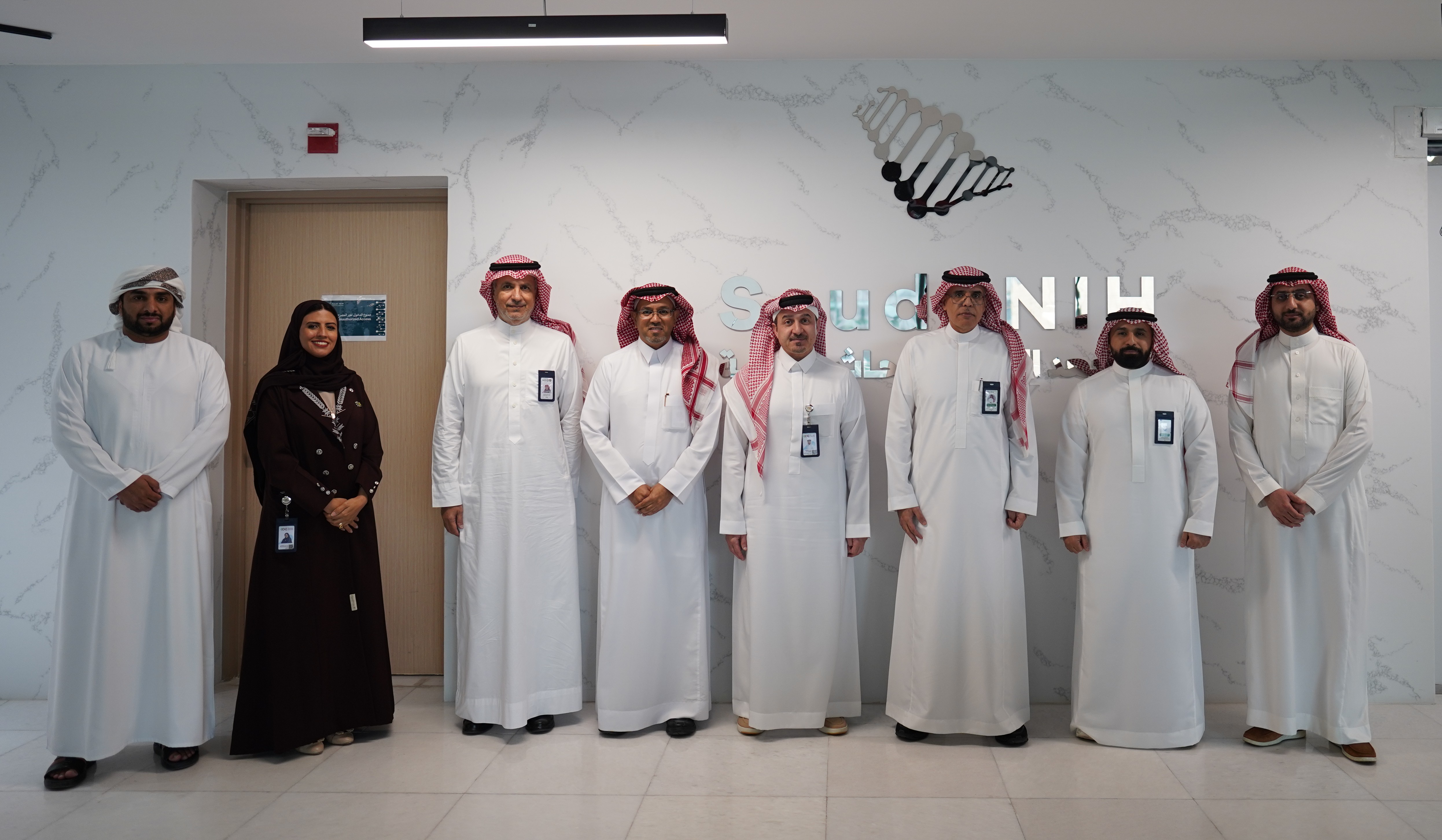
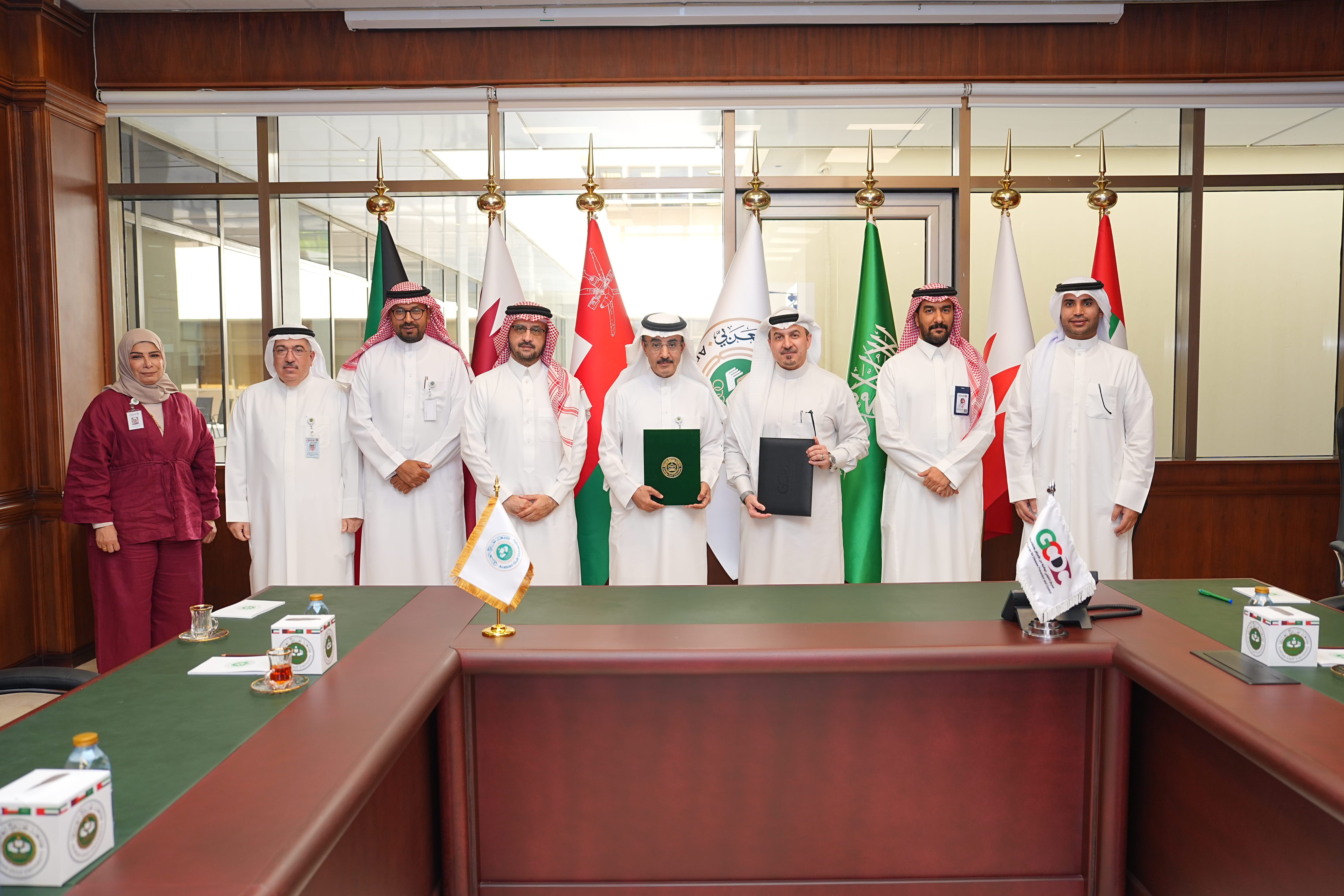
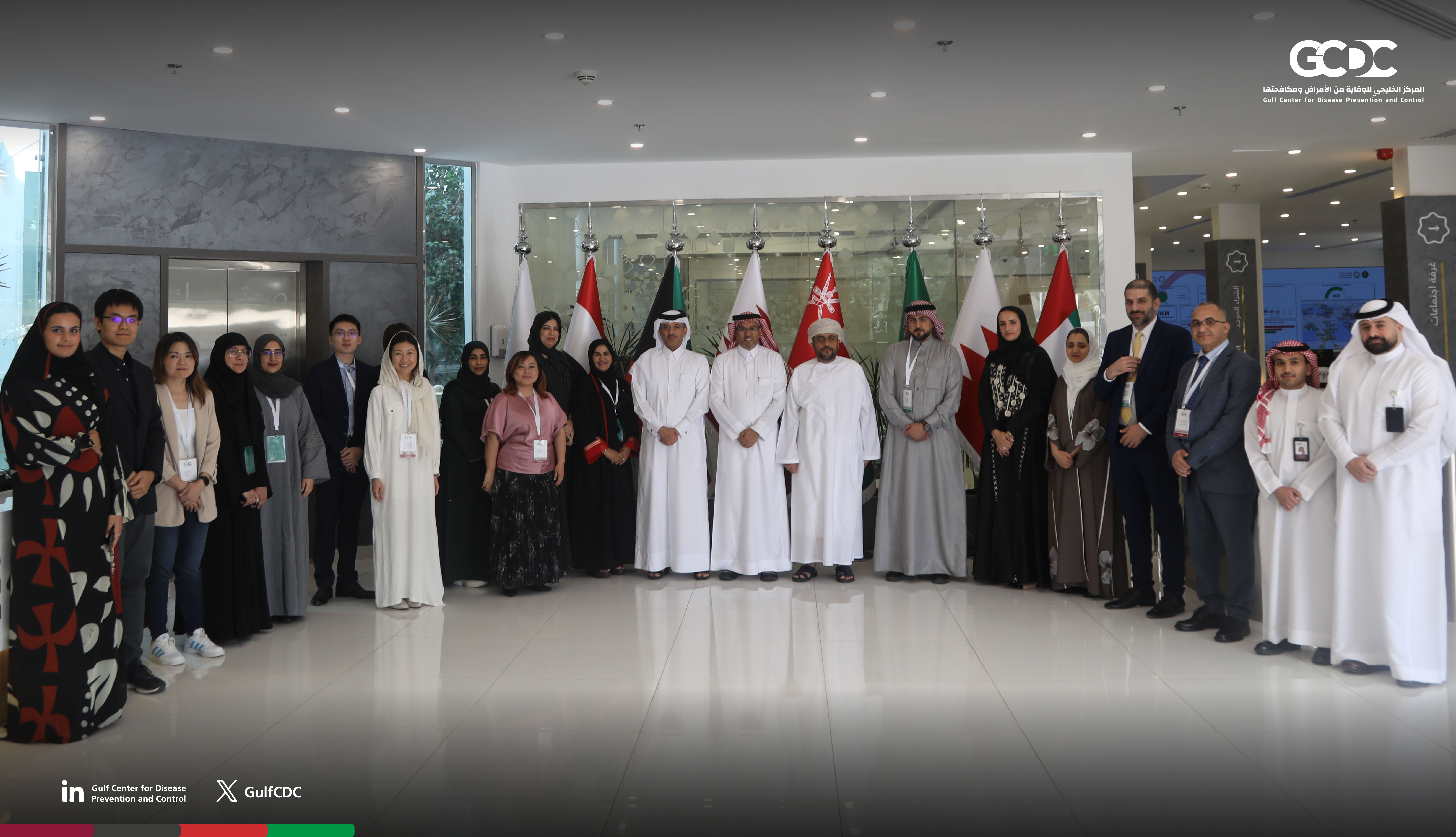
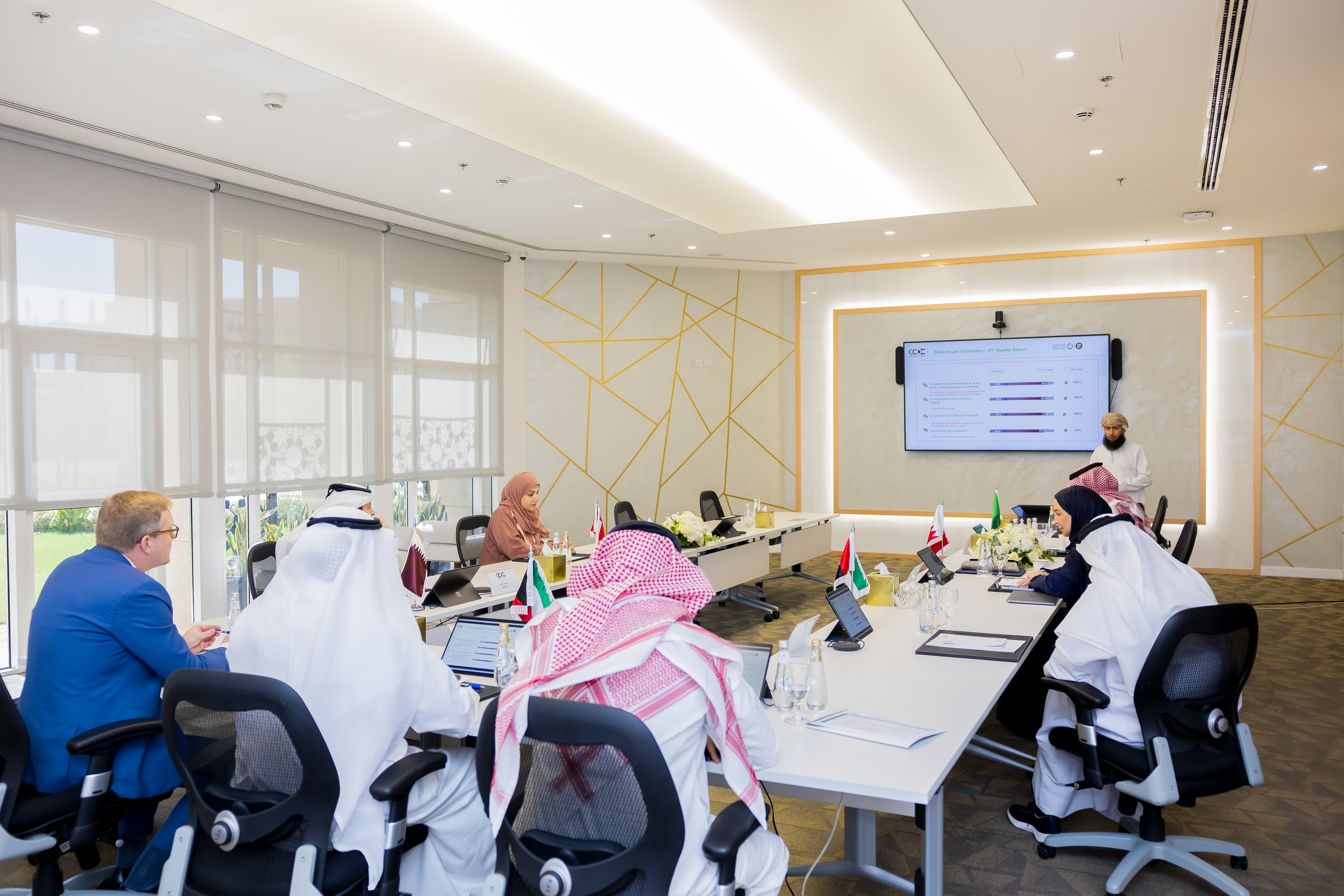
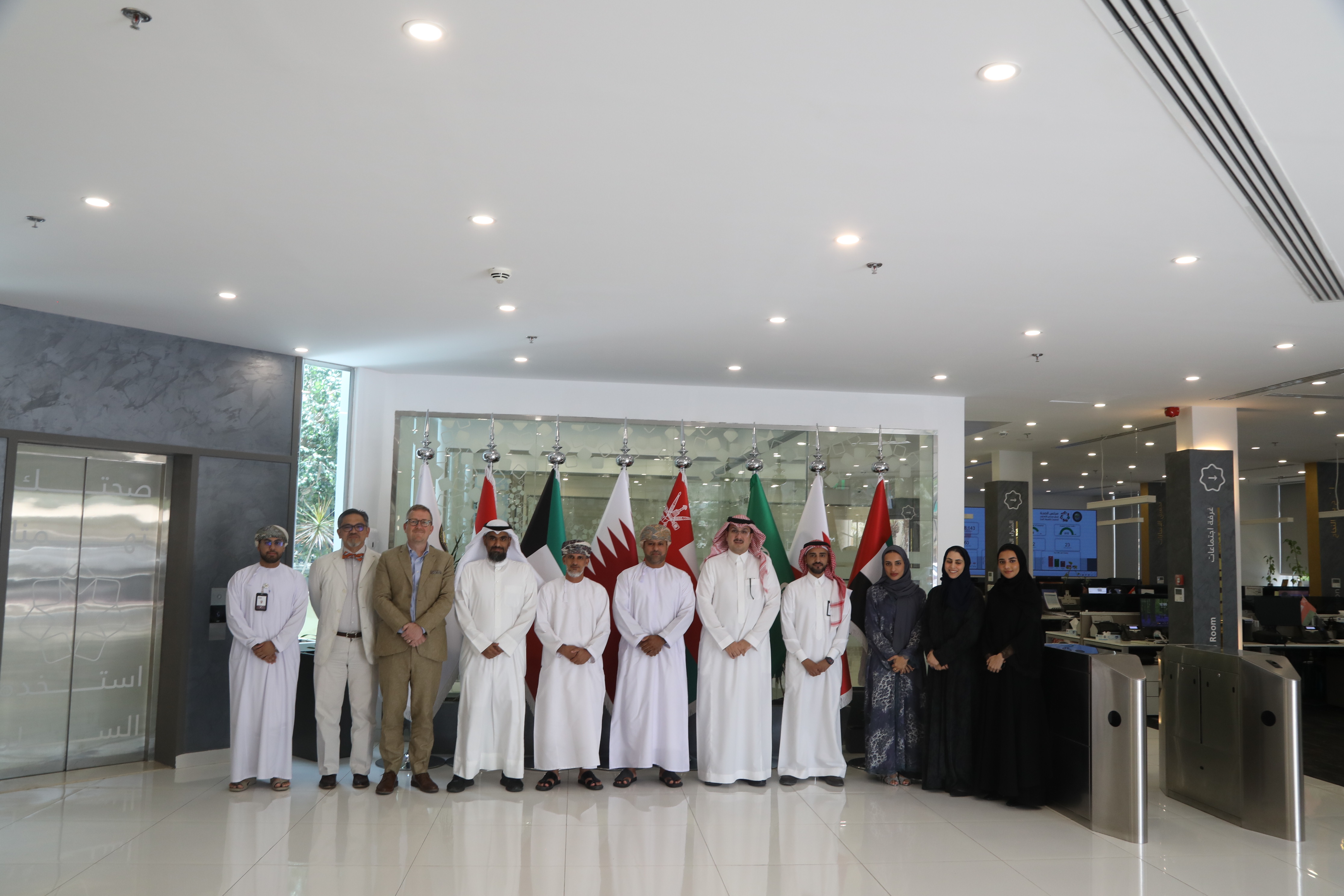
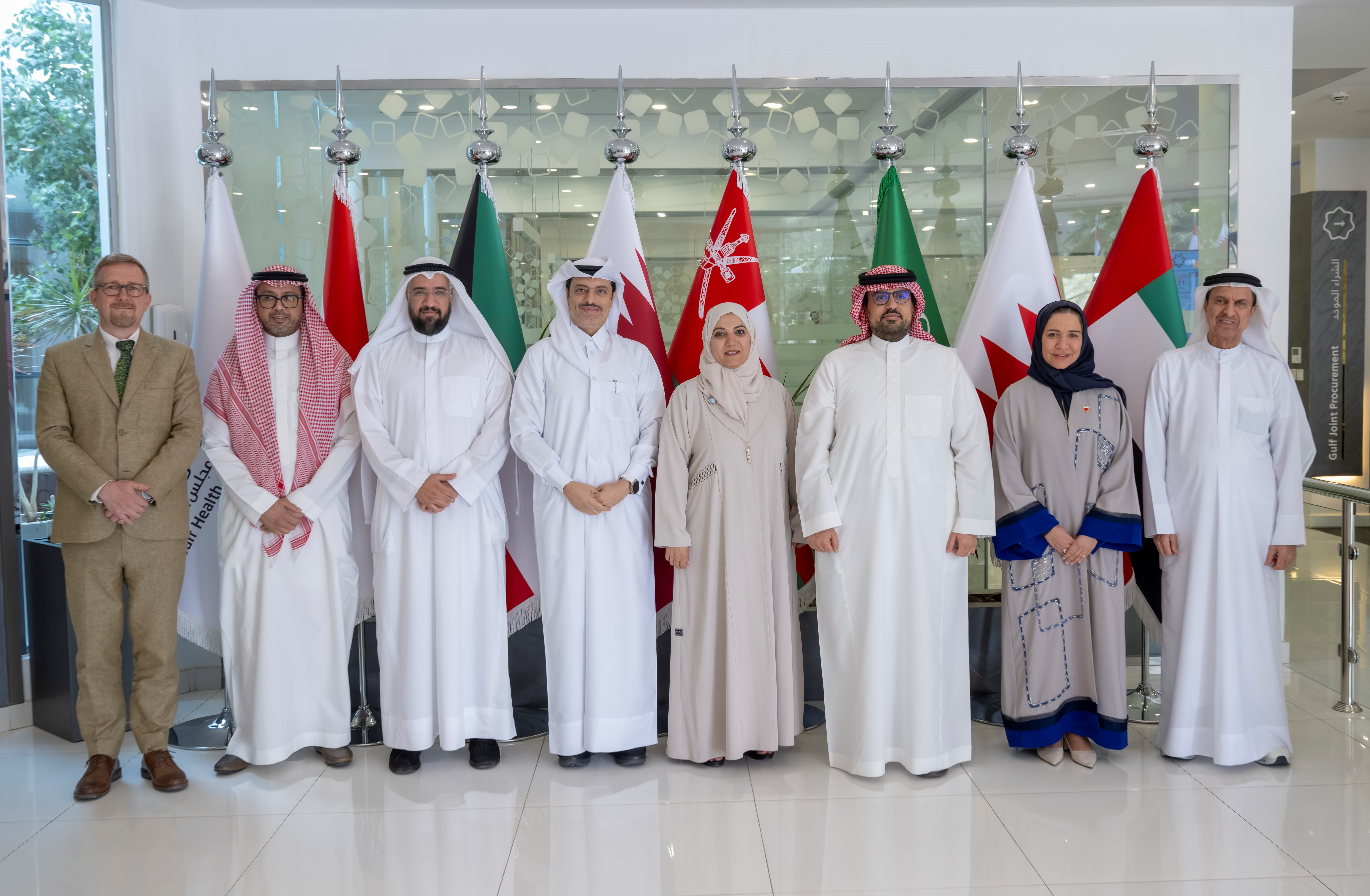
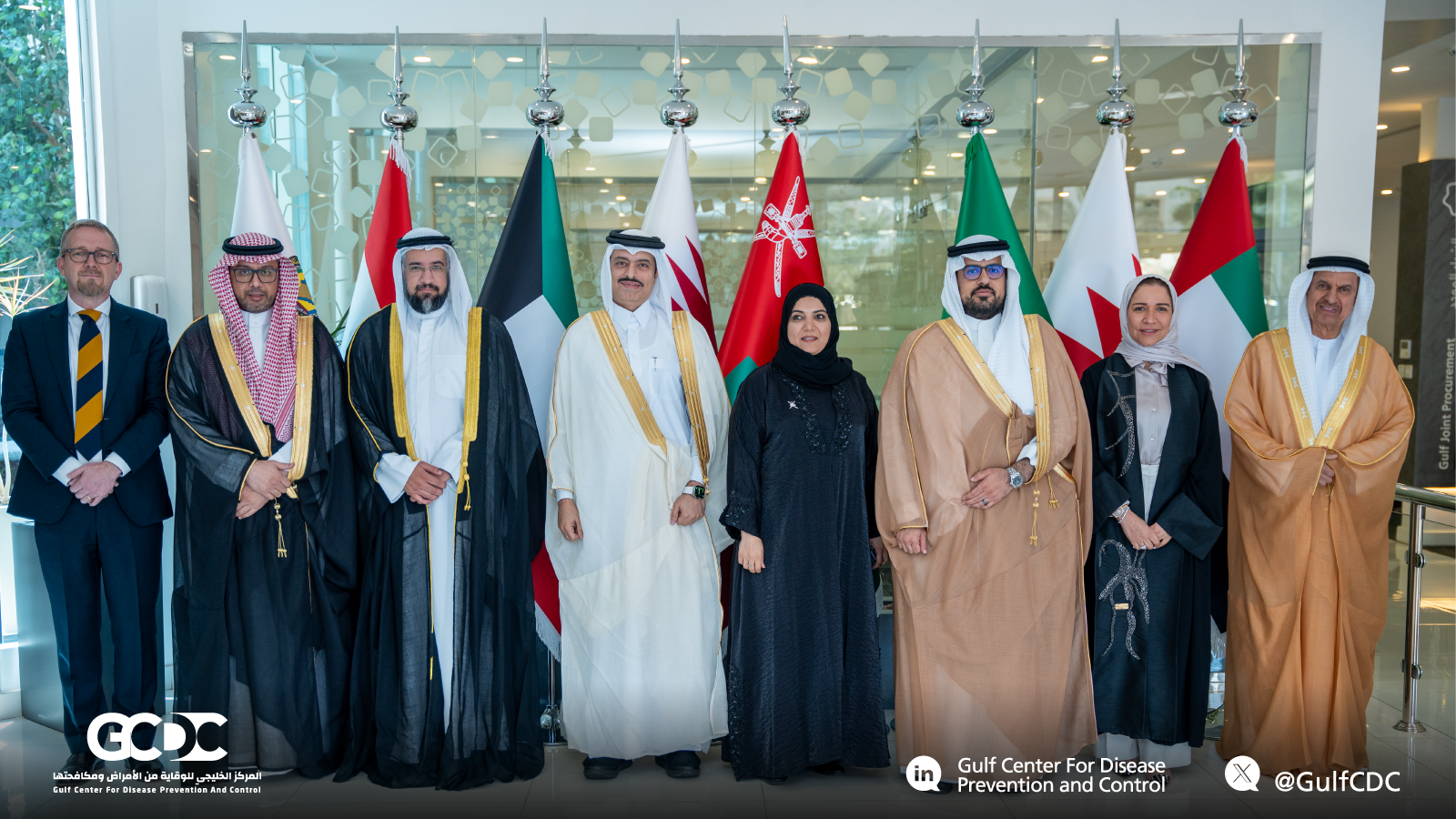
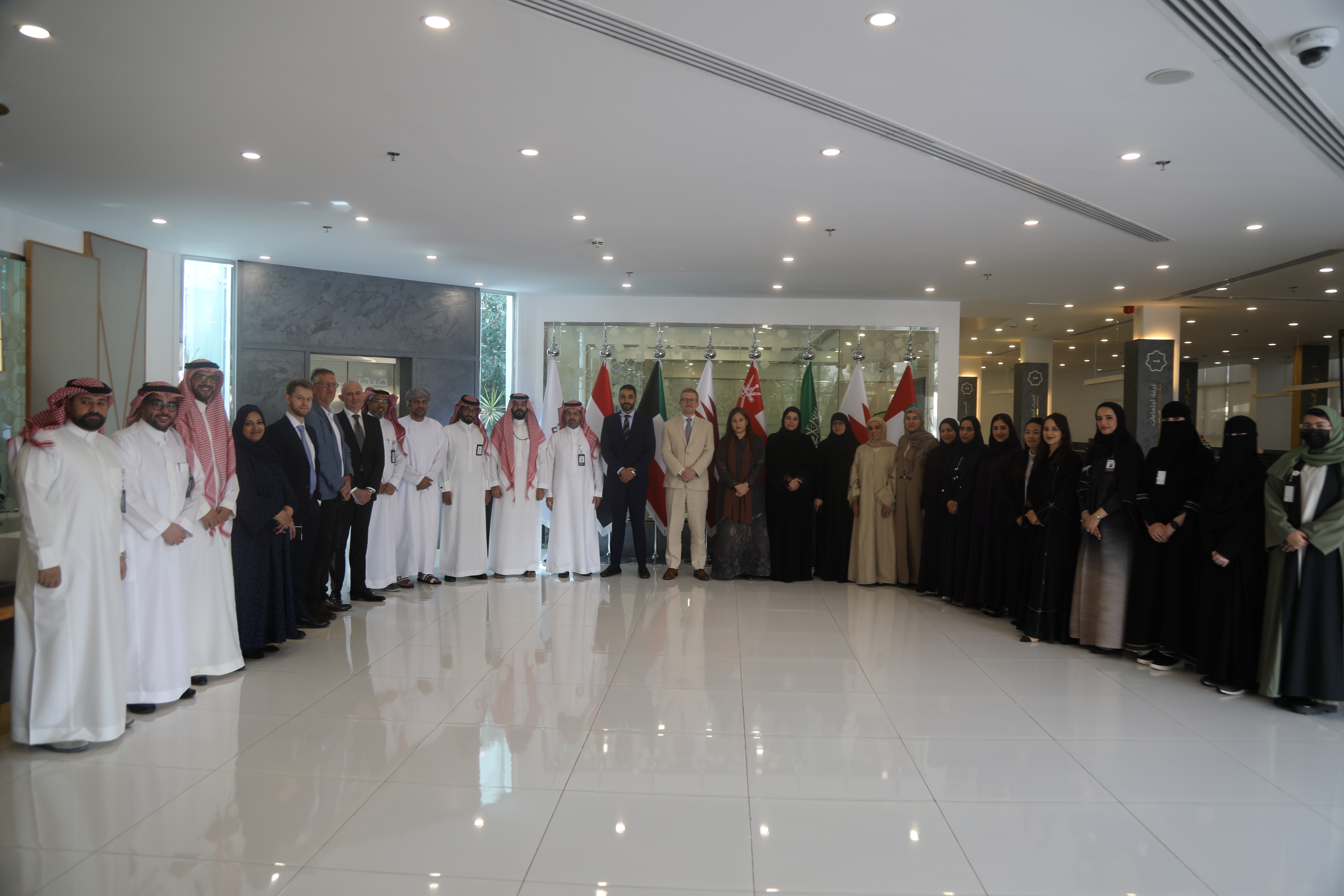
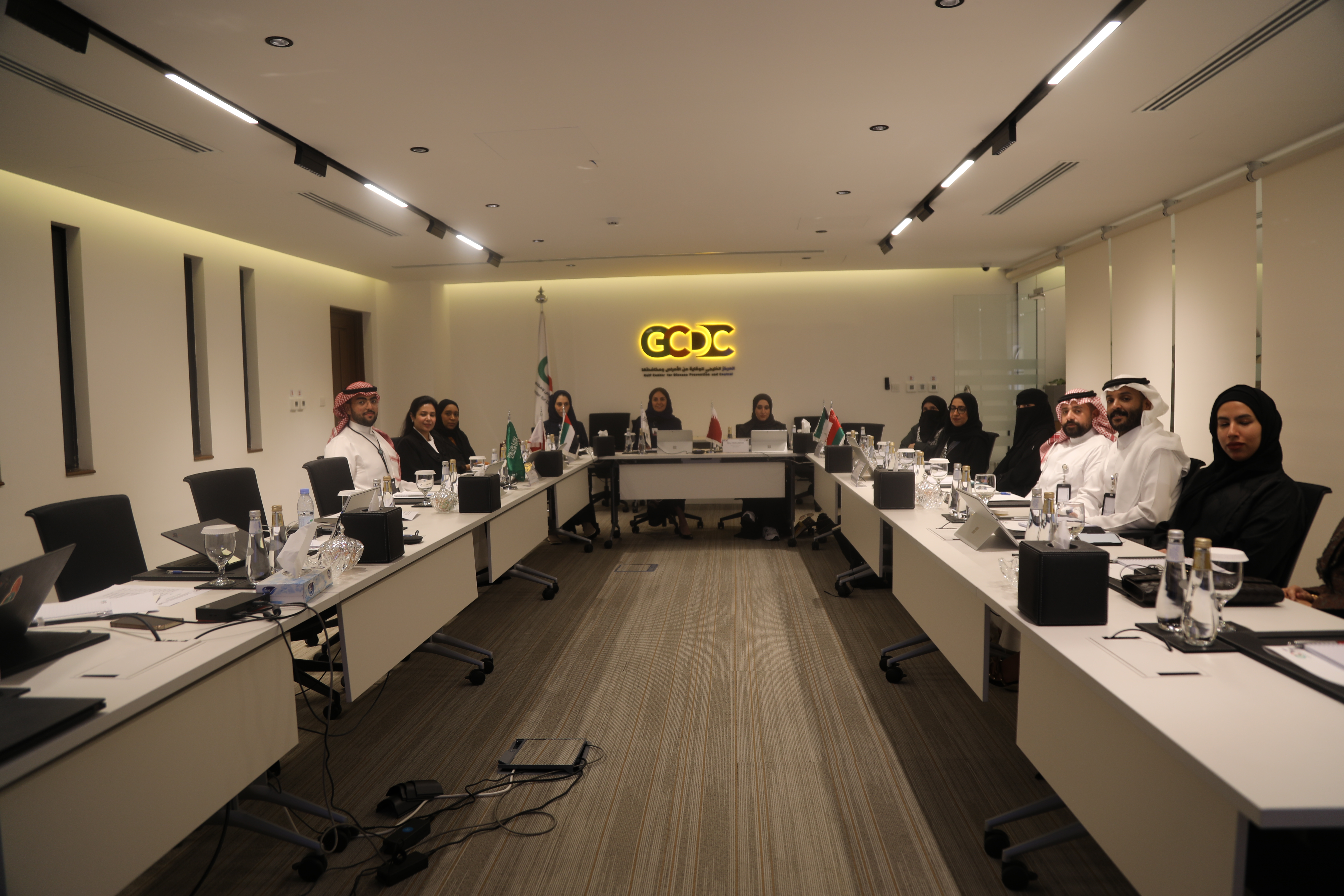
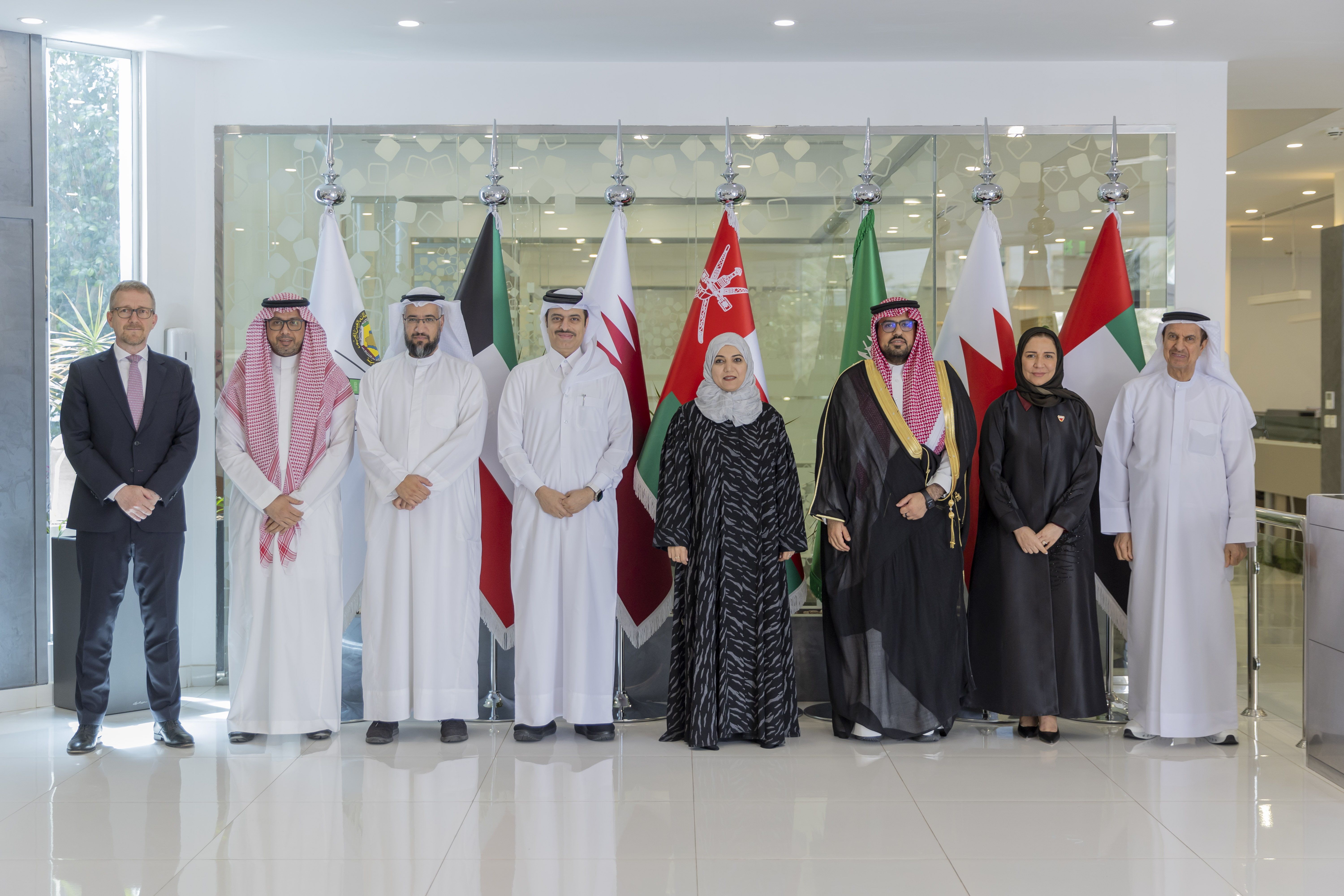
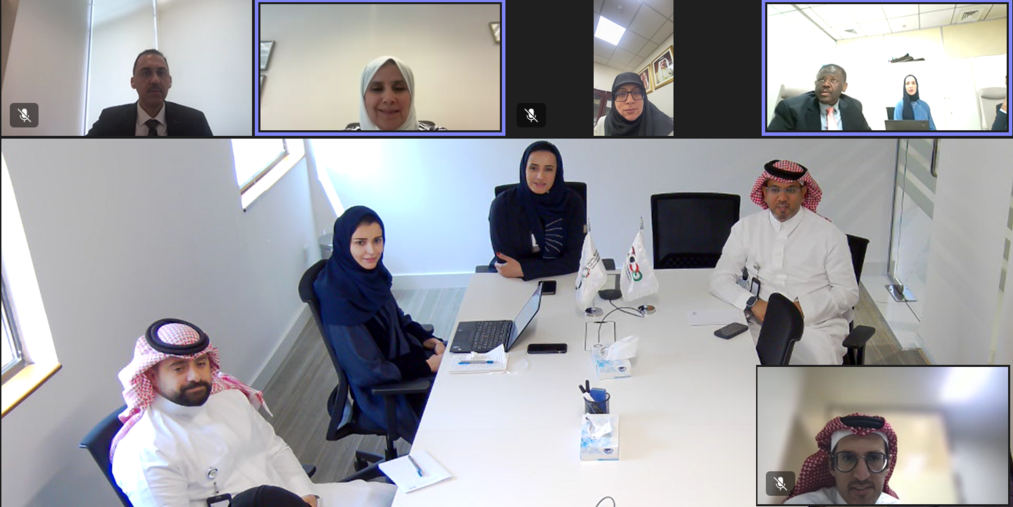
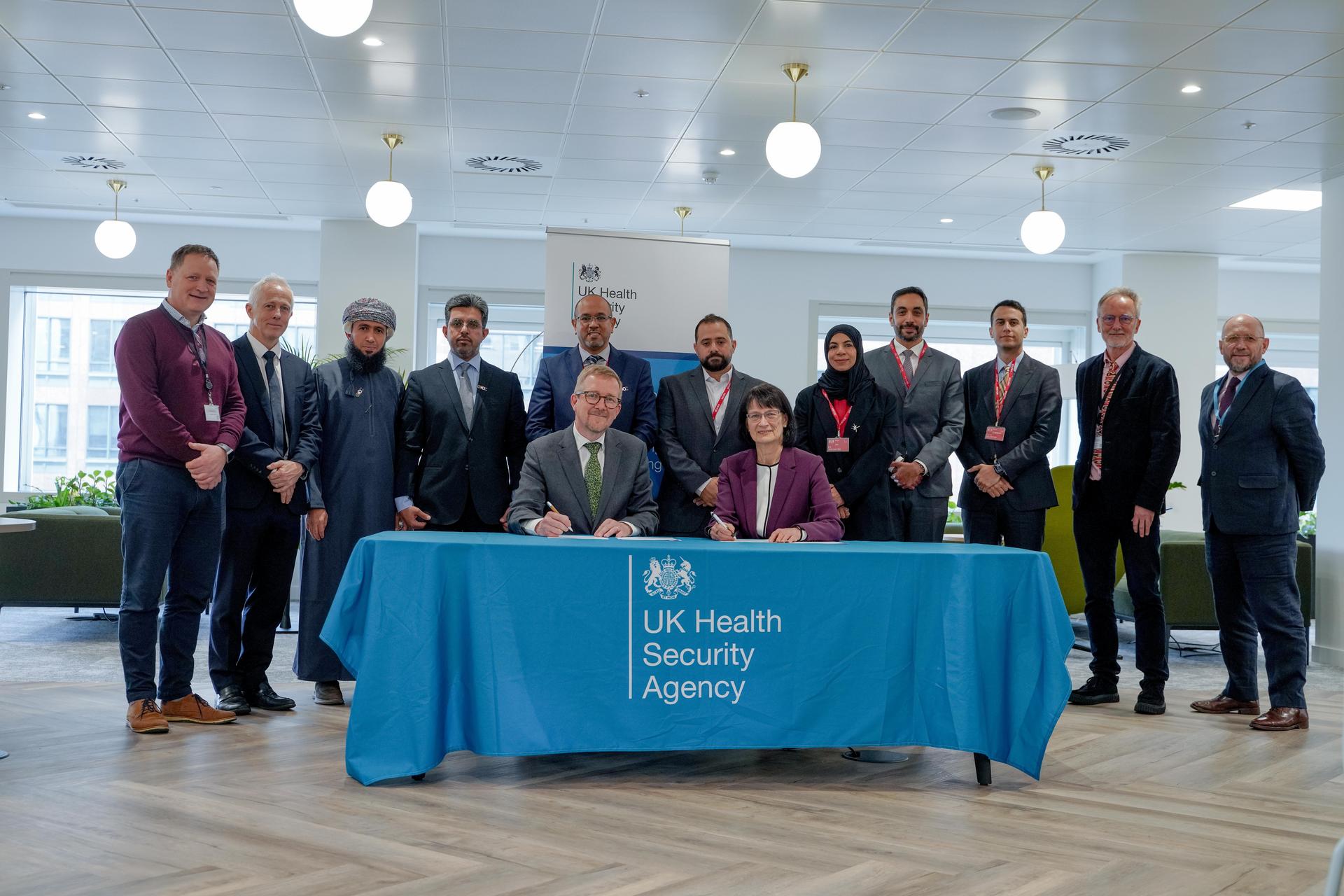
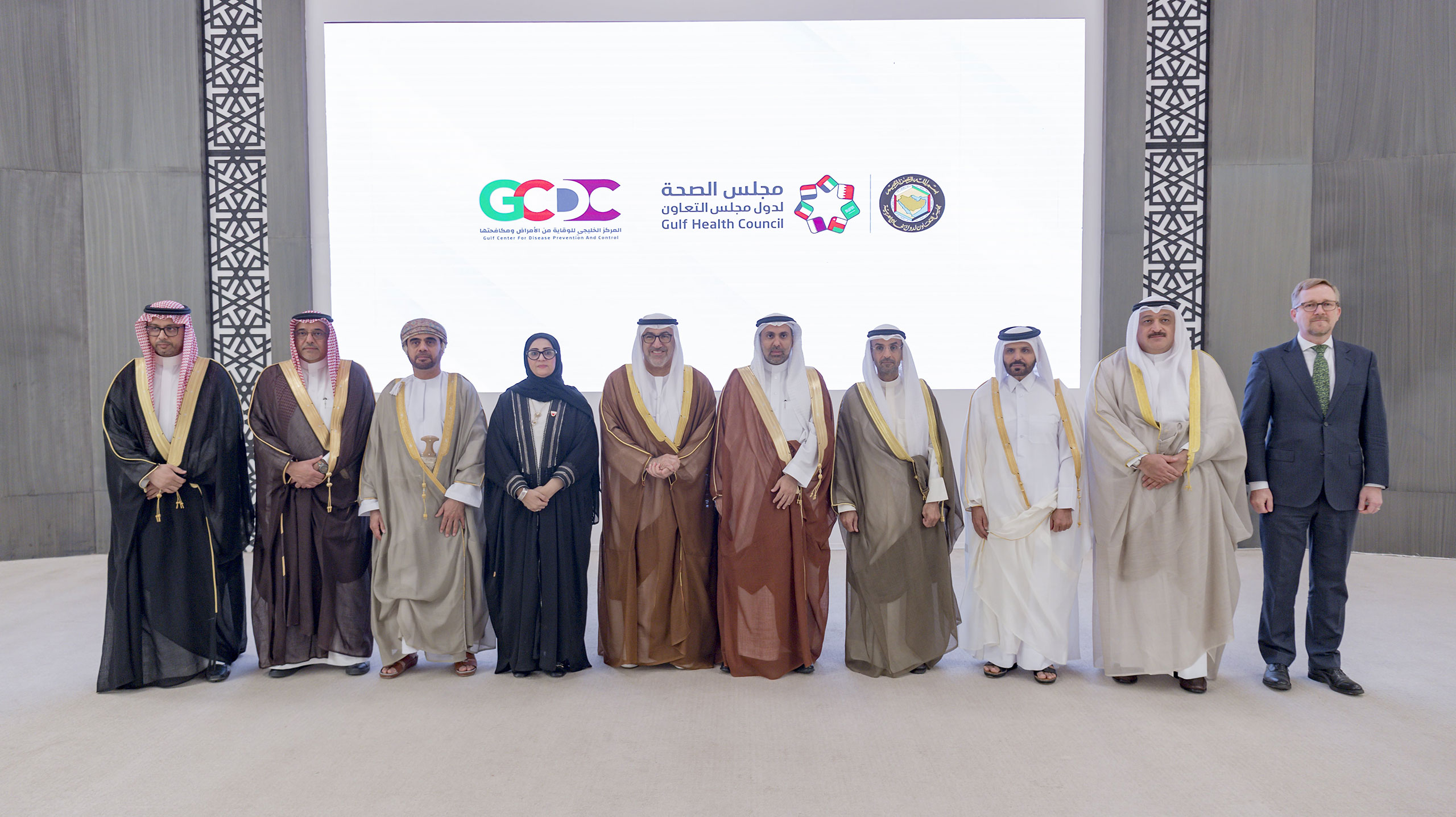
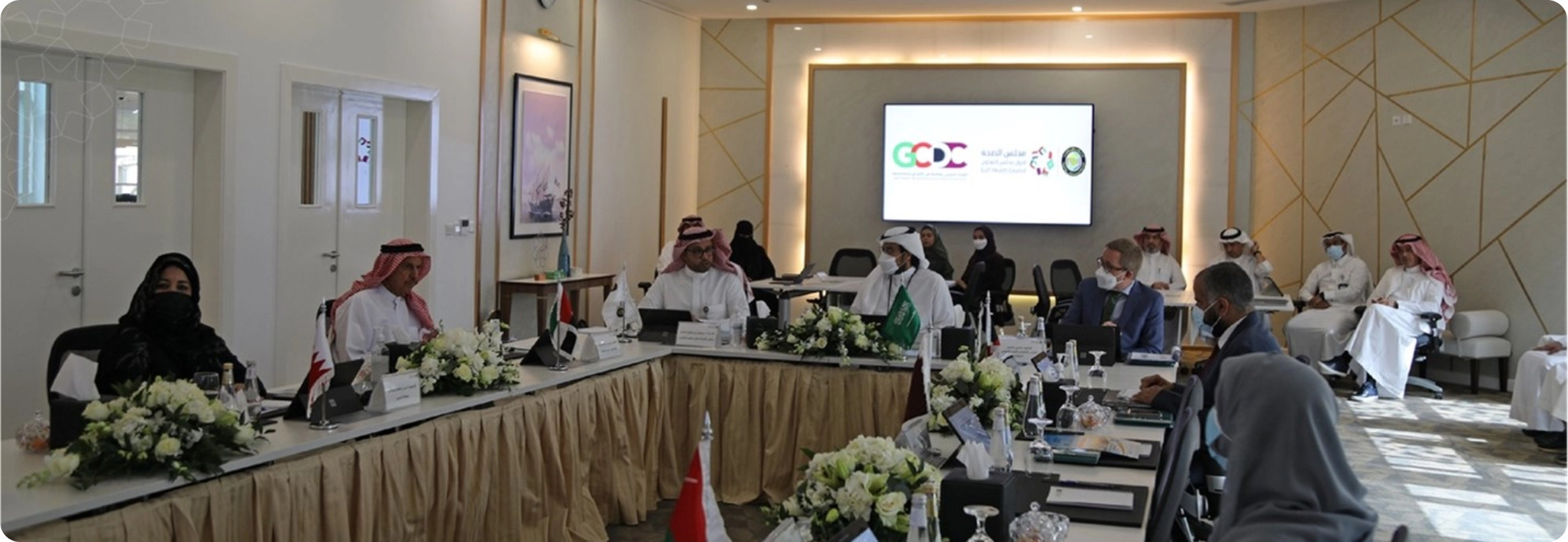
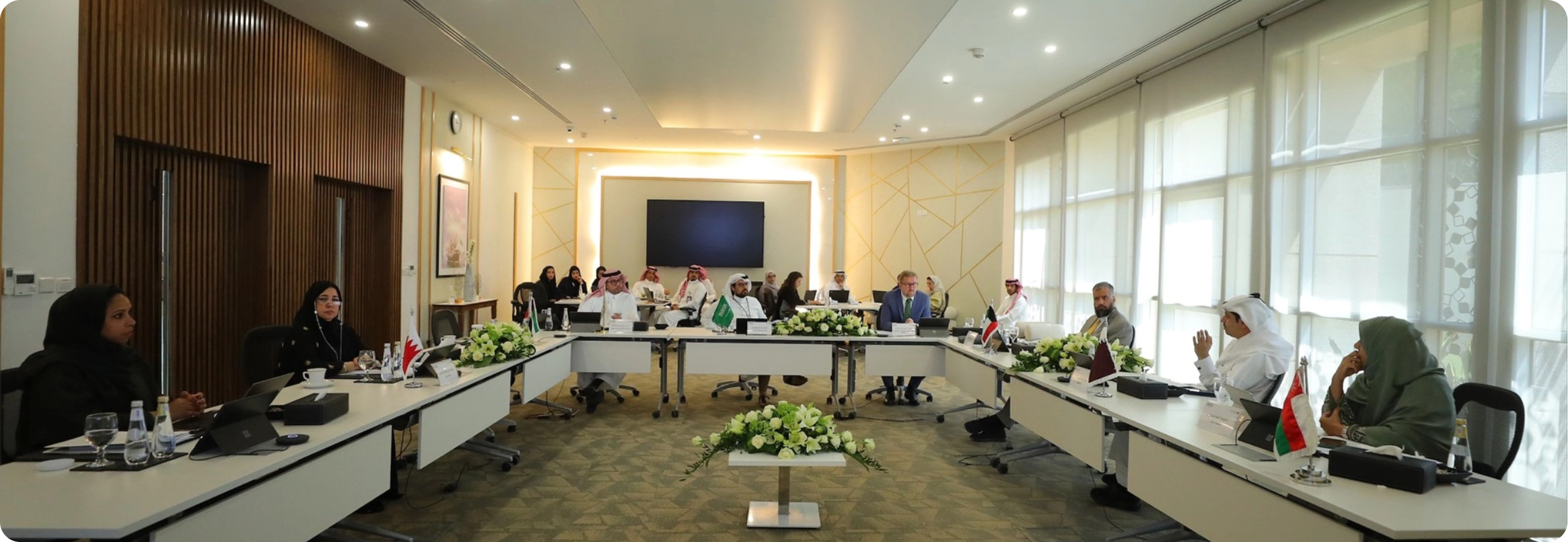
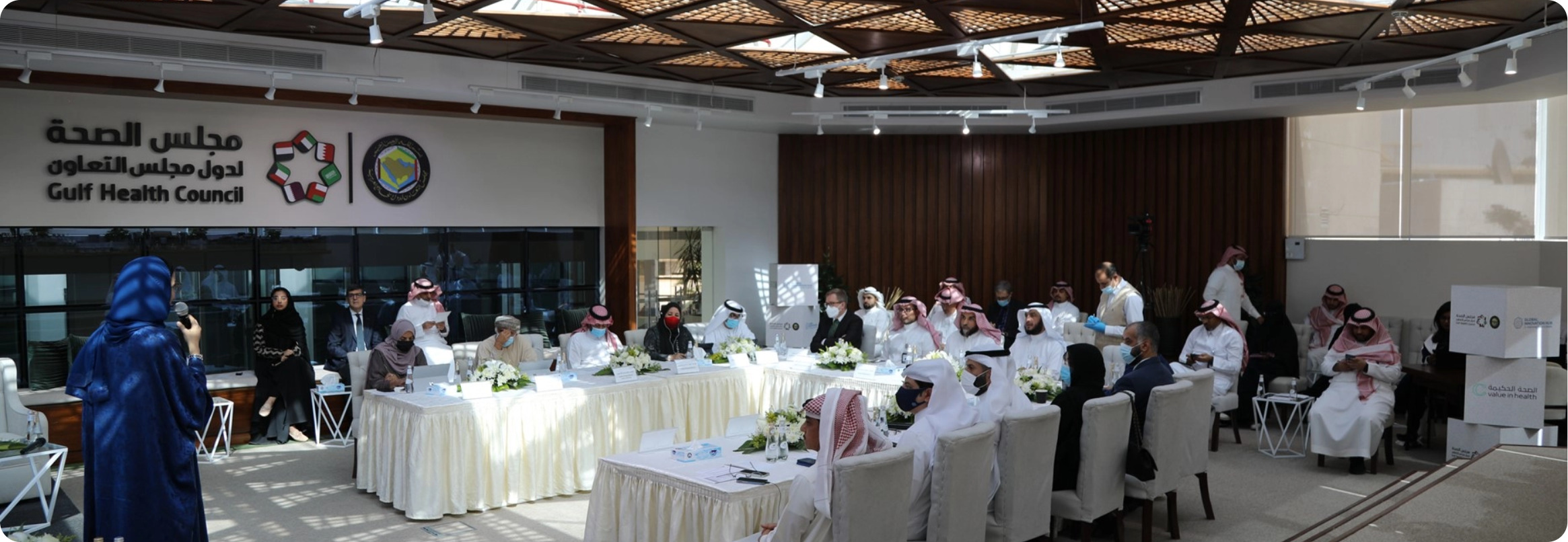
The Gulf Center for Disease Prevention and Control (Gulf CDC) and the Saudi National Institute of Health (Saudi NIH) signed a Memorandum of Understanding (MoU) to strengthen cooperation in health research, exchange expertise in research priority setting and governance, develop research capabilities, and enhance knowledge management. The MoU was signed at the Saudi NIH headquarters in Riyadh, Kingdom of Saudi Arabia, on Tuesday, 10 November 2026.
The MoU aims to direct cooperation toward the health needs of GCC countries and support the translation of scientific knowledge into practices and programs that contribute to improving the health of Gulf communities.
The cooperation will focus on exchanging methodologies and frameworks used to identify health research priorities and participating in the development of Gulf health research priorities. This will help direct research efforts toward issues most relevant to the needs of health authorities and enable both parties to draw on their shared expertise in identifying areas where scientific research can contribute to strengthening prevention and improving responses to health challenges.
H.E. Prof. Dr. Manaf Al Qahtani, Chief Executive Officer of the Gulf CDC, said: “The value of health research begins with identifying the questions that respond to the needs of our communities, and then translating the resulting knowledge into better decision-making and practice. Through our cooperation with the Saudi National Institute of Health, we seek to strengthen the exchange of expertise among research professionals and support institutions in generating and applying knowledge in ways that serve shared Gulf priorities, protect health, and strengthen prevention.”
Under the MoU, Saudi NIH may provide research funding opportunities to support joint projects conducted by researchers from GCC countries, in accordance with the policies and regulations of both parties. The Gulf CDC will serve as a link and facilitate communication between nominated principal investigators from Member States and Saudi NIH, supporting the exchange of information on research interests and potential areas of collaboration relevant to the work of both organizations.
The two parties will also cooperate in reviewing research governance documents, including relevant policies, procedures, and regulatory frameworks, while exchanging expertise in these areas. This collaboration aims to strengthen institutional practices governing research and enhance the quality and reliability of research outputs, increasing their value to health authorities when informing the development of health policies and programs.
Cooperation will also extend to capacity development and institutional knowledge management through workshops, seminars, knowledge-sharing sessions, and initiatives designed to transfer expertise within institutions. This area of cooperation will focus on sustaining and sharing knowledge across teams, enabling professionals to apply acquired knowledge in their work and helping institutions benefit from their research experiences to continuously improve performance.
Through these areas of cooperation, the Gulf CDC and Saudi NIH aim to strengthen the integration of research efforts with public health needs and expand the use of Gulf expertise in generating reliable, actionable health knowledge that supports prevention and contributes to improving the health and well-being of Gulf communities.